Subscribe to the «Plyos Walks» channel on social media — we share useful posts to help you prepare for your trip to Plyos!
Beautiful photos and videos, event announcements, interesting places, discounts and promotions, unique routes, and tips from locals!
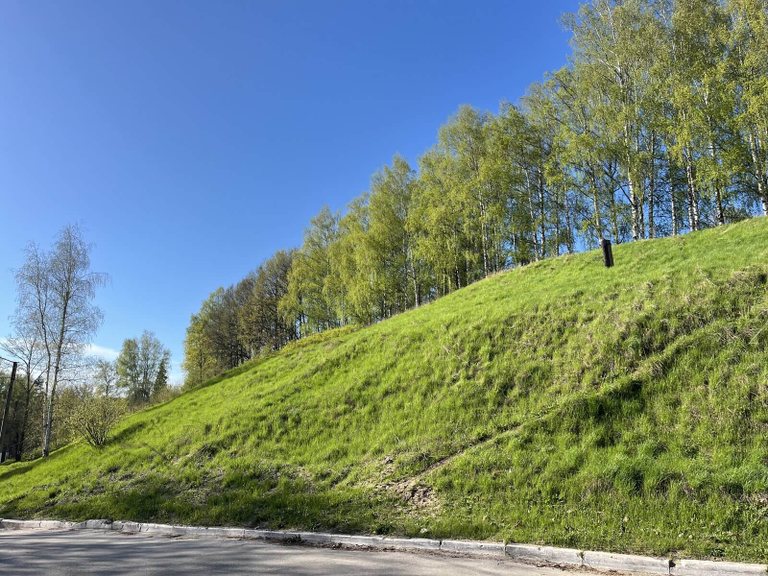
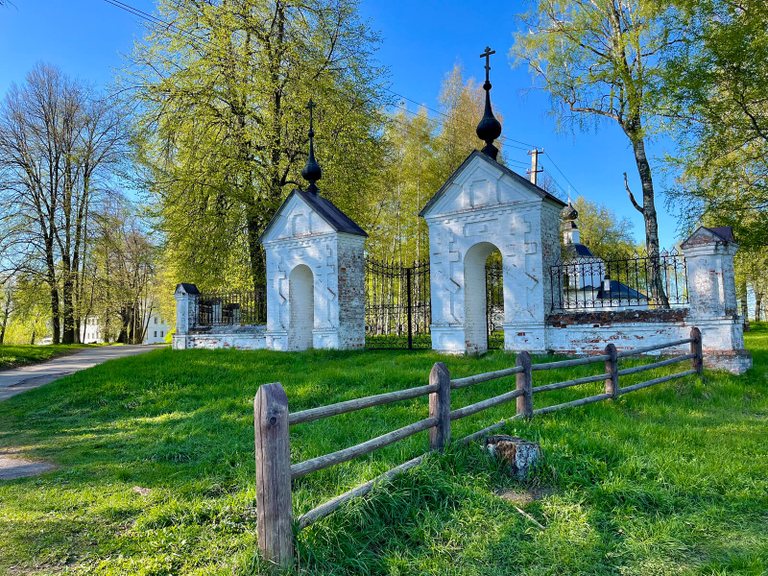
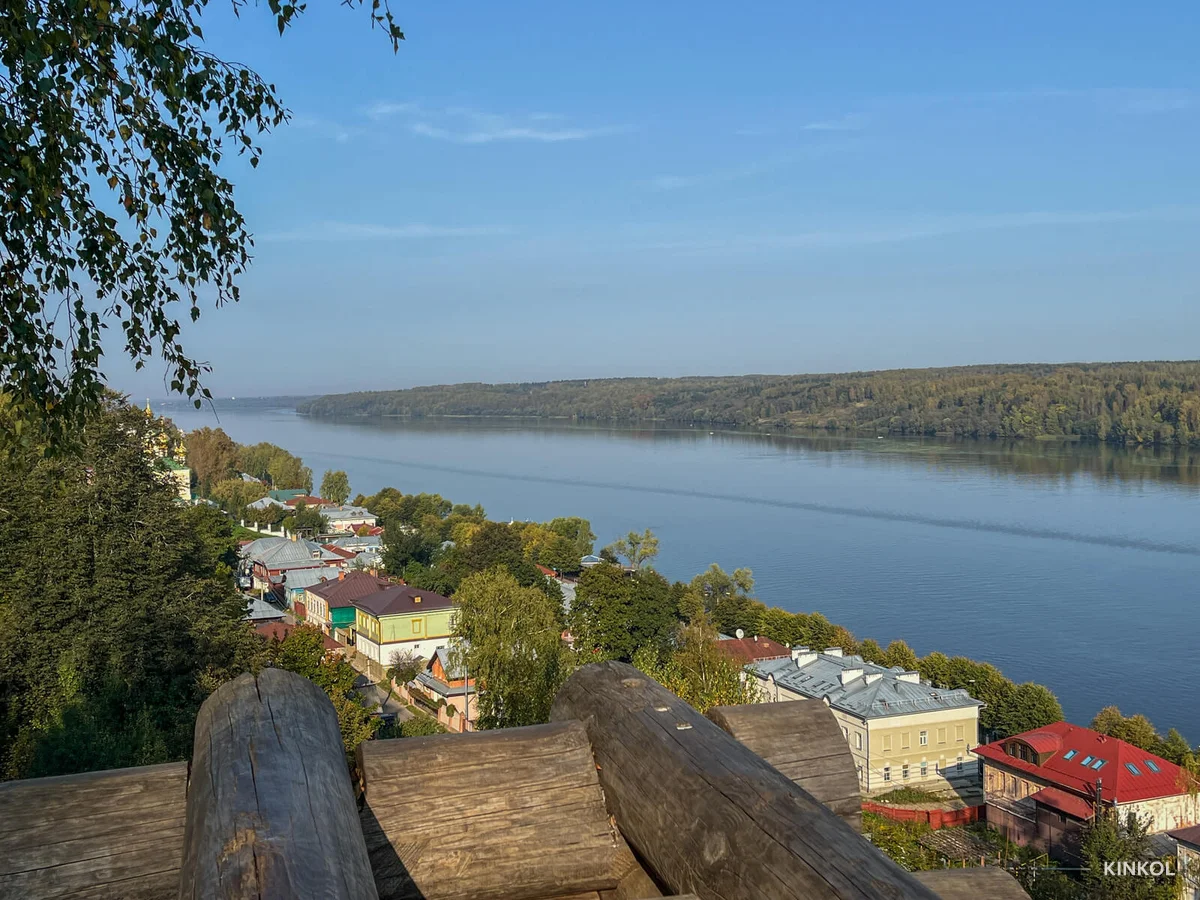
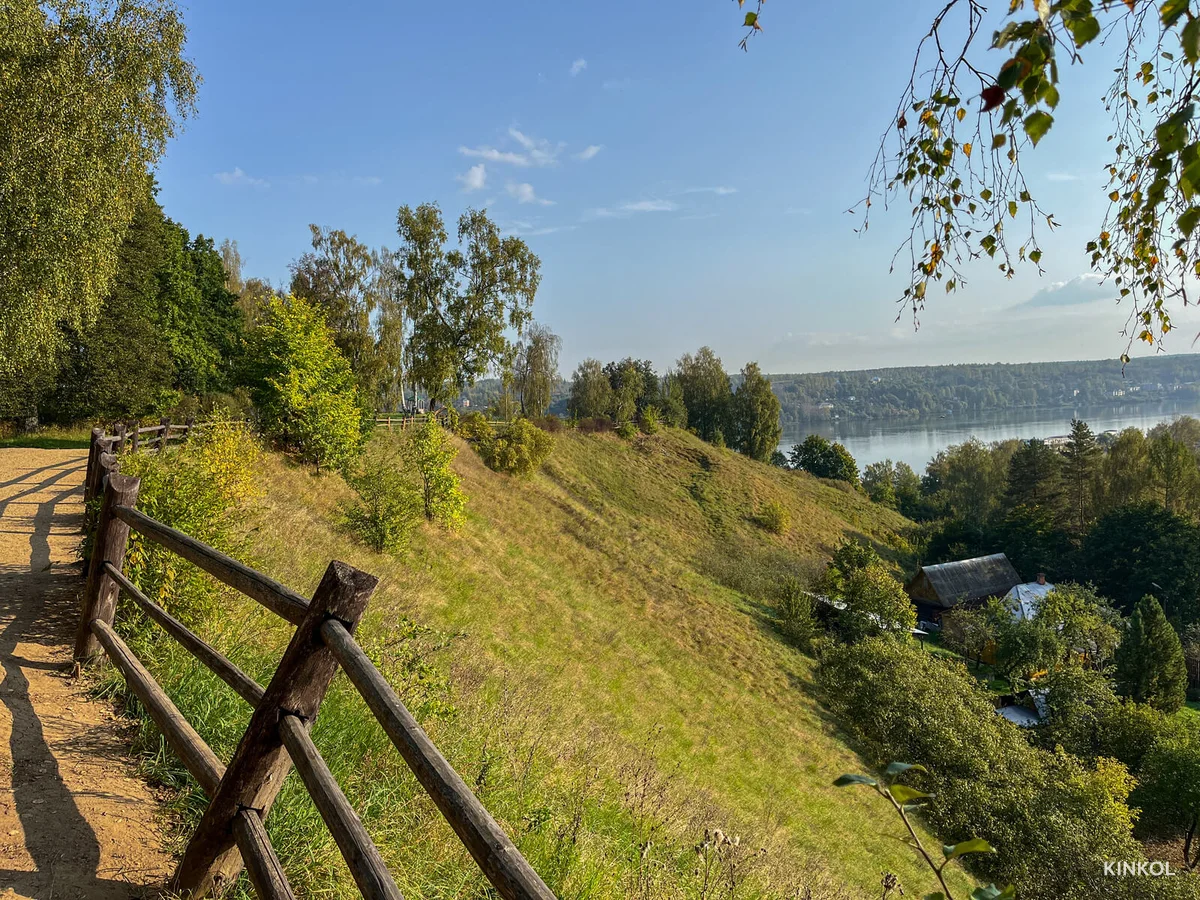
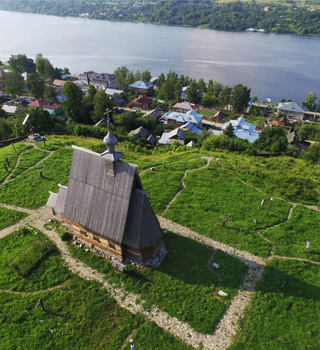
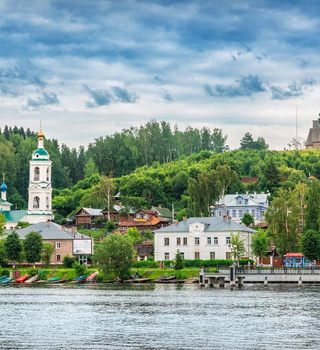
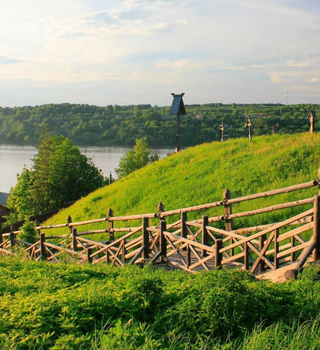
Cathedral Hill is the heart and historical center of Plyos, one of the city's most iconic places. The hill rises 55 meters above the Volga, offering stunning panoramic views of the river and surroundings. Most tourists begin their journey in Plyos from Cathedral Hill. This place is not only famous for its views but is also rich in historical events and monuments, with roots tracing back to the founding of Plyos.
The history of Cathedral Hill in Plyos dates back to ancient times, with people living here as early as the 12th century, long before the official founding of the city in 1410. This is evidenced by archaeological artifacts found here, such as remnants of dwellings, pottery, jewelry, and weapons. These findings indicate that there was a fortified town here, whose inhabitants engaged in hunting, fishing, agriculture, and trade. Thanks to its strategic position on the high bank of the Volga, the settlement on Cathedral Hill served as an important point of control over the river trade route and a place from which approaching enemies could be spotted in time.
In the winter of 1238, during the Tatar-Mongol invasion, the settlement was ravaged and burned by the troops of Khan Batu. After the destruction, life in this area did not cease, and history entered a new chapter.
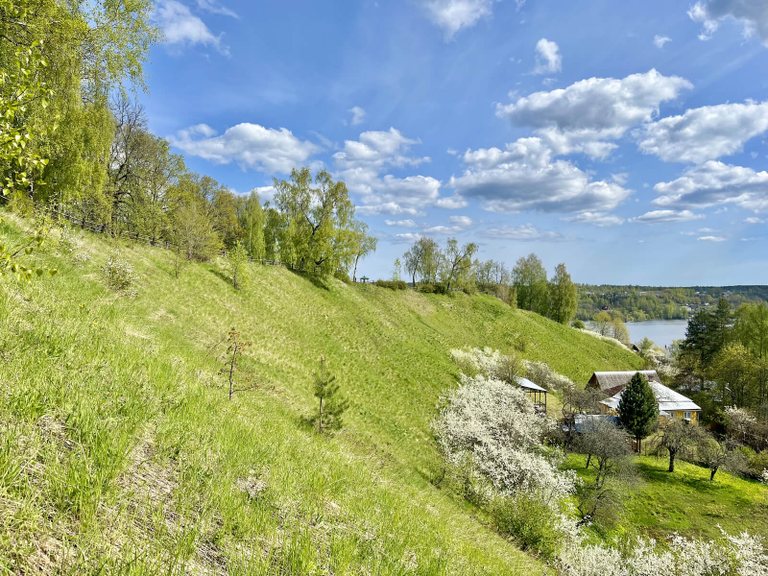
In 1410, the Grand Prince of Moscow, Vasily I, "ordered the construction of the town of Plyos." This marks the official beginning of the history of the town of Plyos. A new fortress was built on Cathedral Hill, which became an important defensive structure on the Volga trade route. Situated in a strategically advantageous location on the high right bank of the Volga, it served to protect Moscow lands from Tatar and Lithuanian raids. The fortress was part of a chain of watch and customs posts that controlled river traffic, safeguarding Russian lands and trade caravans. At that time, the Volga was a key transport route, and the fortress played a role not only as a military but also as an economic center.
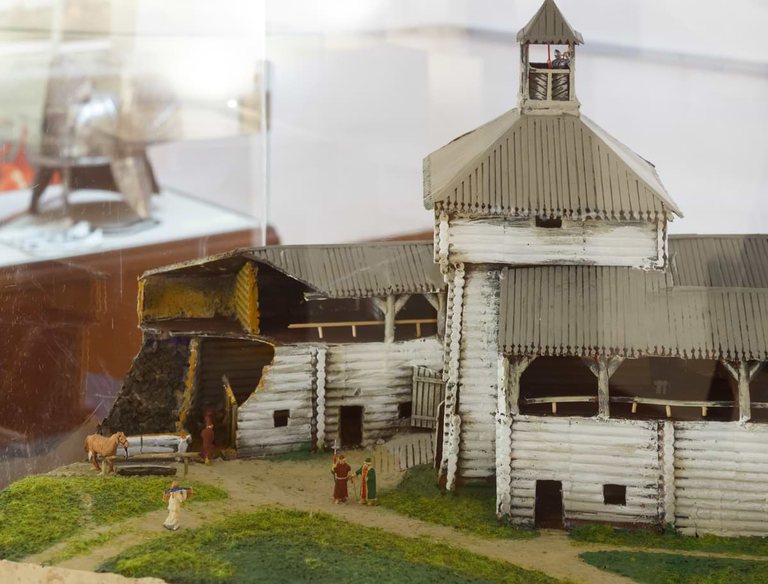
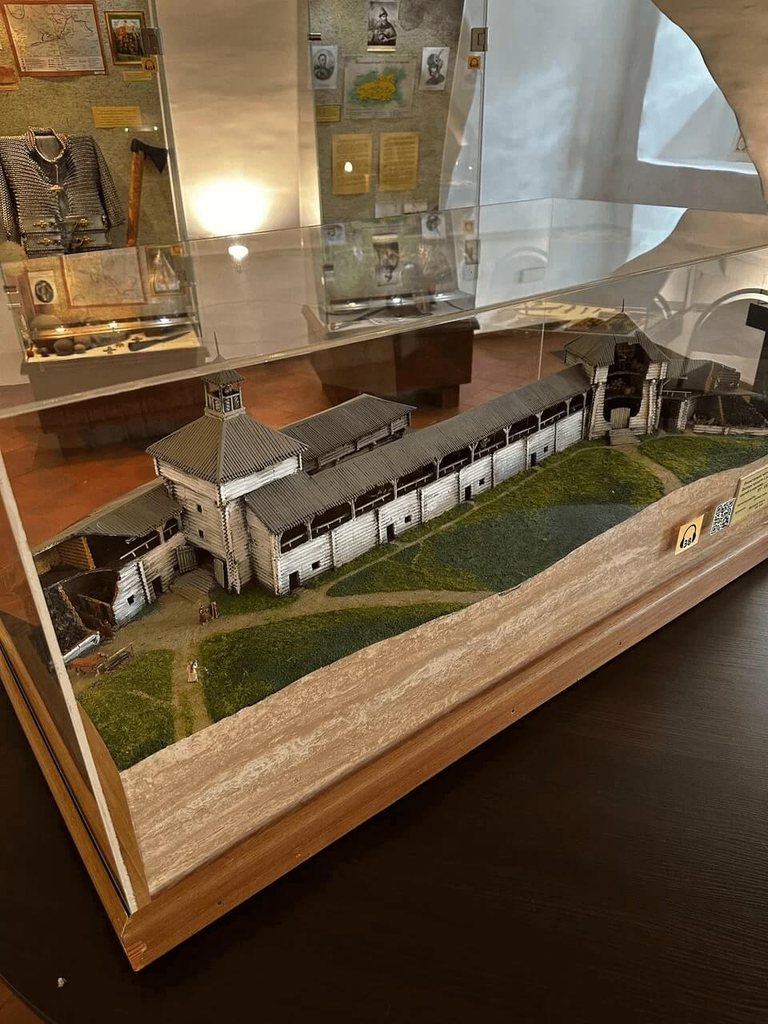
The fortress was a classic example of a medieval defensive structure with strong wooden walls, high towers, and earthen ramparts. Inside were residential and utility buildings, as well as warehouses for storing supplies and weapons. The fortress also included watchtowers and signaling systems that allowed for quick communication of approaching enemies. Due to its advantageous location on a high promontory, the fortress had an excellent view of the surroundings, giving its defenders a strategic advantage in case of a siege.
However, despite all efforts to strengthen it, the Plyos fortress was significantly destroyed in 1429 by Kazan Tatars. And in 1609, during the Time of Troubles, the remnants of the fortress were attacked by Polish-Lithuanian troops, marking the last significant military episode in its history. After that, the fortress lost its strategic importance and gradually fell into decline. Despite losing its defensive significance, Plyos continued to be an important trade and cultural center.
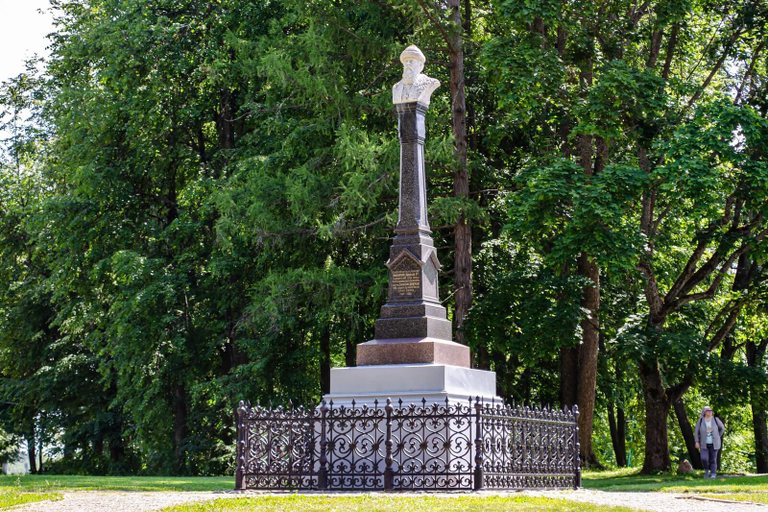
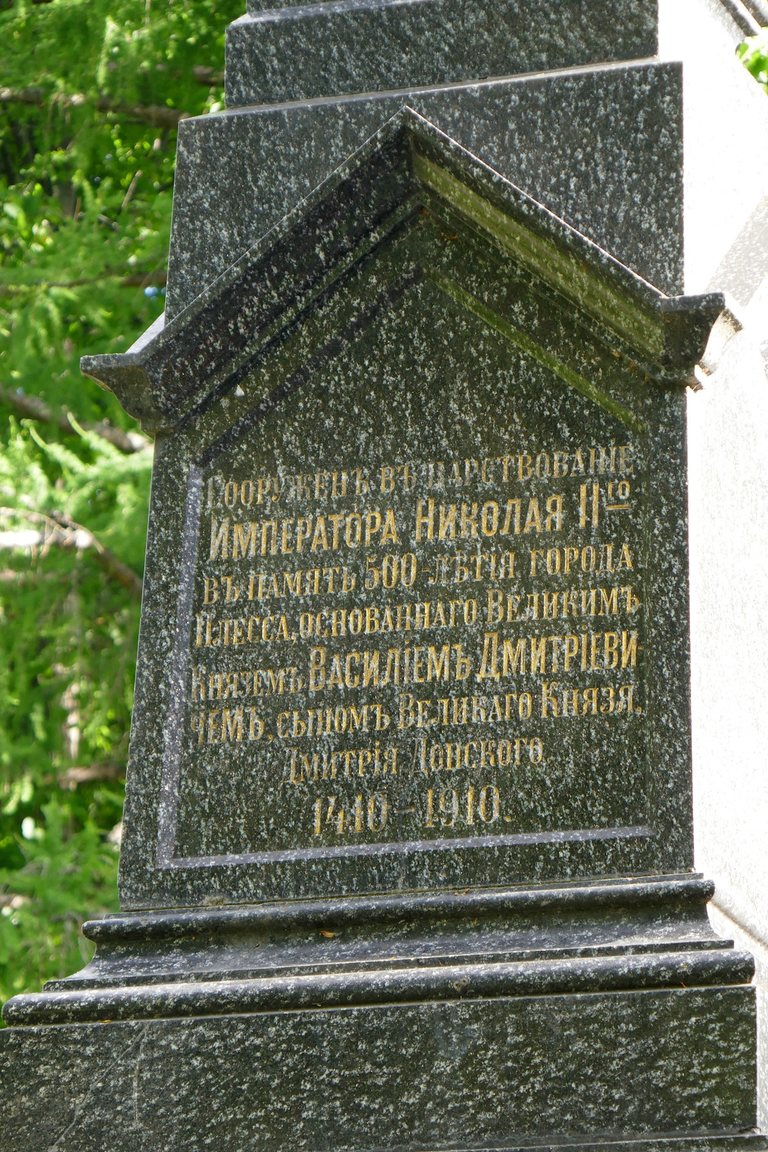
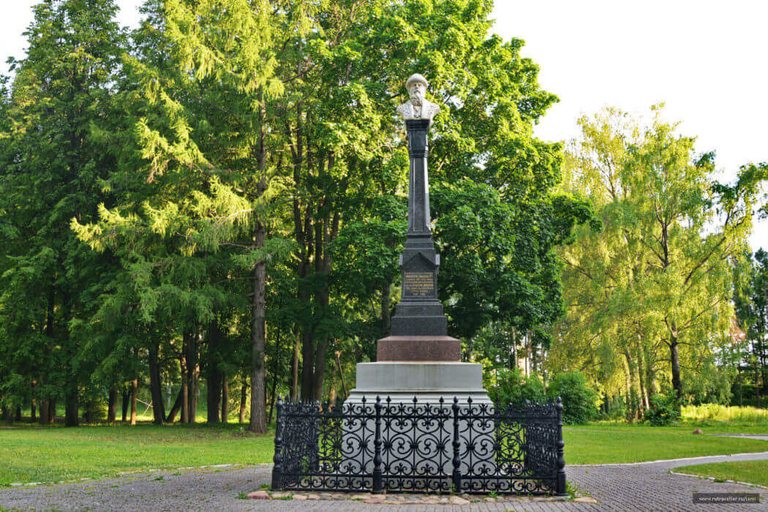
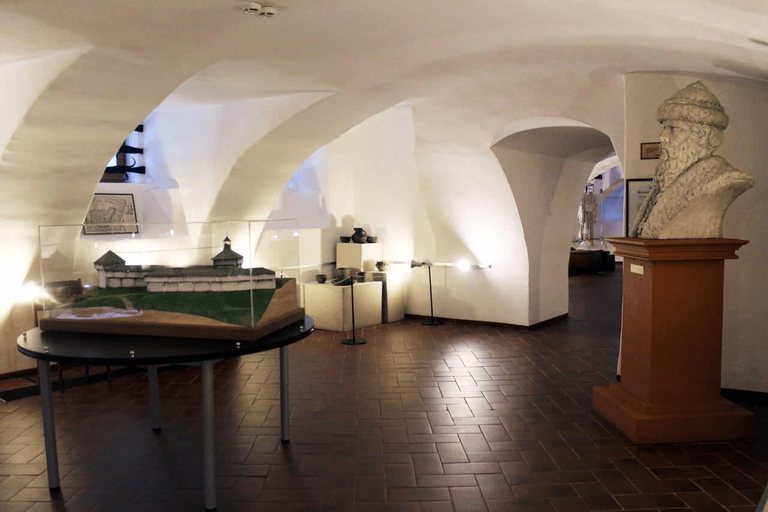
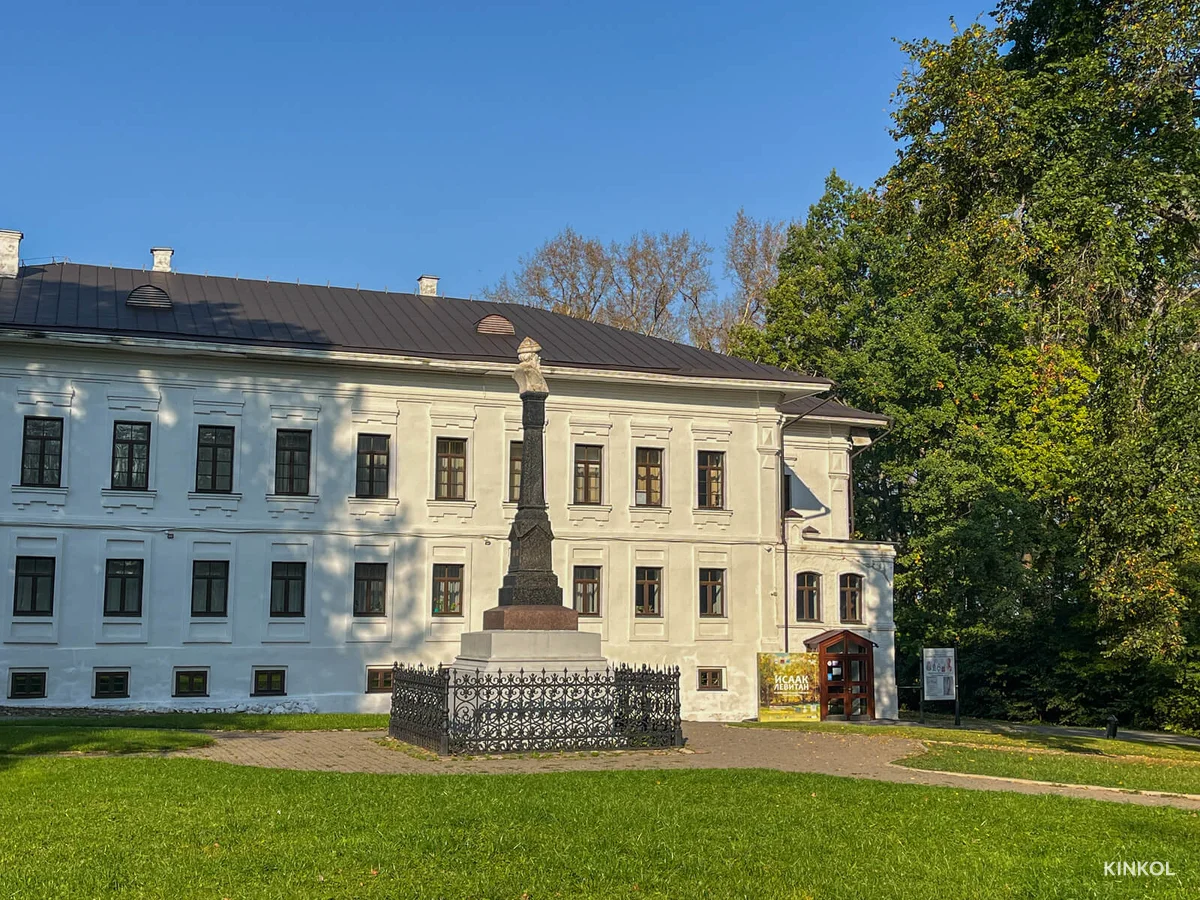
Walking along Cathedral Hill, you can see a sculpture on a high pedestal. It is installed in honor of the son of Dmitry Donskoy, the Grand Prince of Moscow Vasily I (1371—1425). This monument was erected in 1910 in honor of the 500th anniversary of the city. The bust of the Grand Prince, made of white marble and set on a dark granite pedestal, bears the inscription: “Erected during the reign of Emperor Nicholas II in memory of the 500th anniversary of the city of Plyos, founded by Grand Prince Vasily Dmitrievich, son of Grand Prince Dmitry Donskoy. 1410—1910.” The monument is dedicated to the builder of the Plyos fortress and, as was believed in the early 20th century, the founder of the city of Plyos.
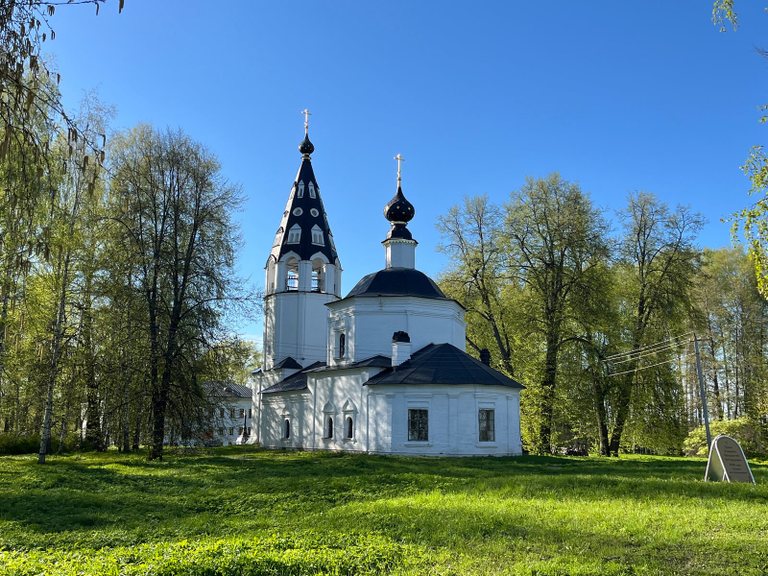
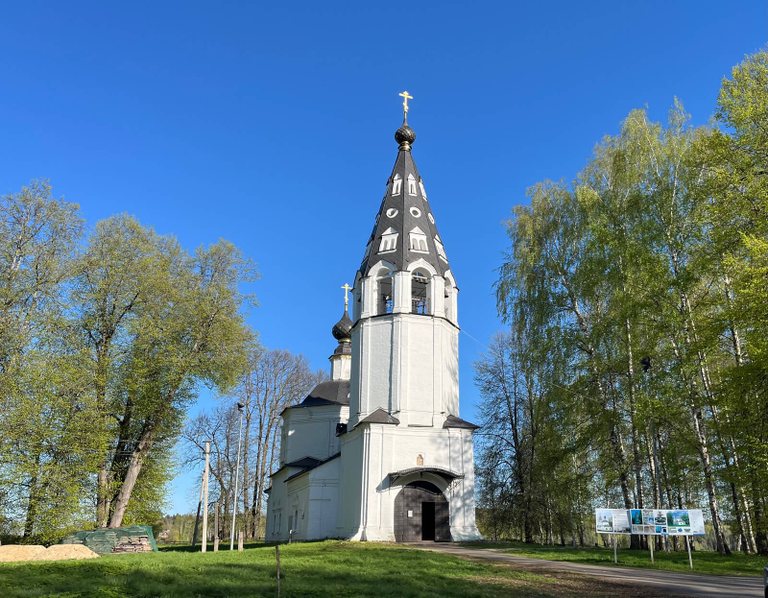
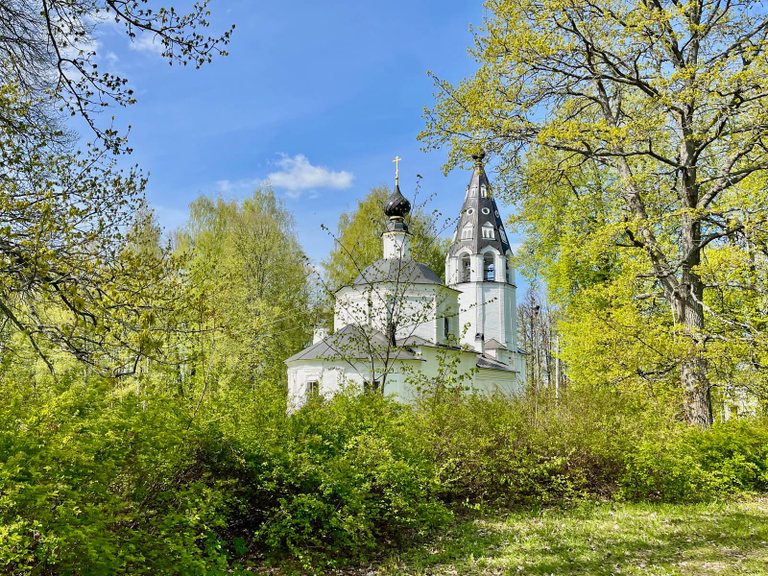
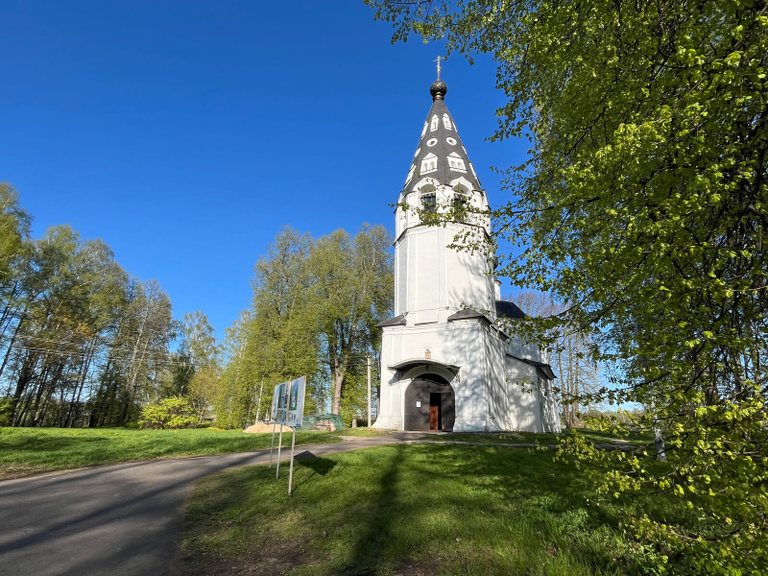
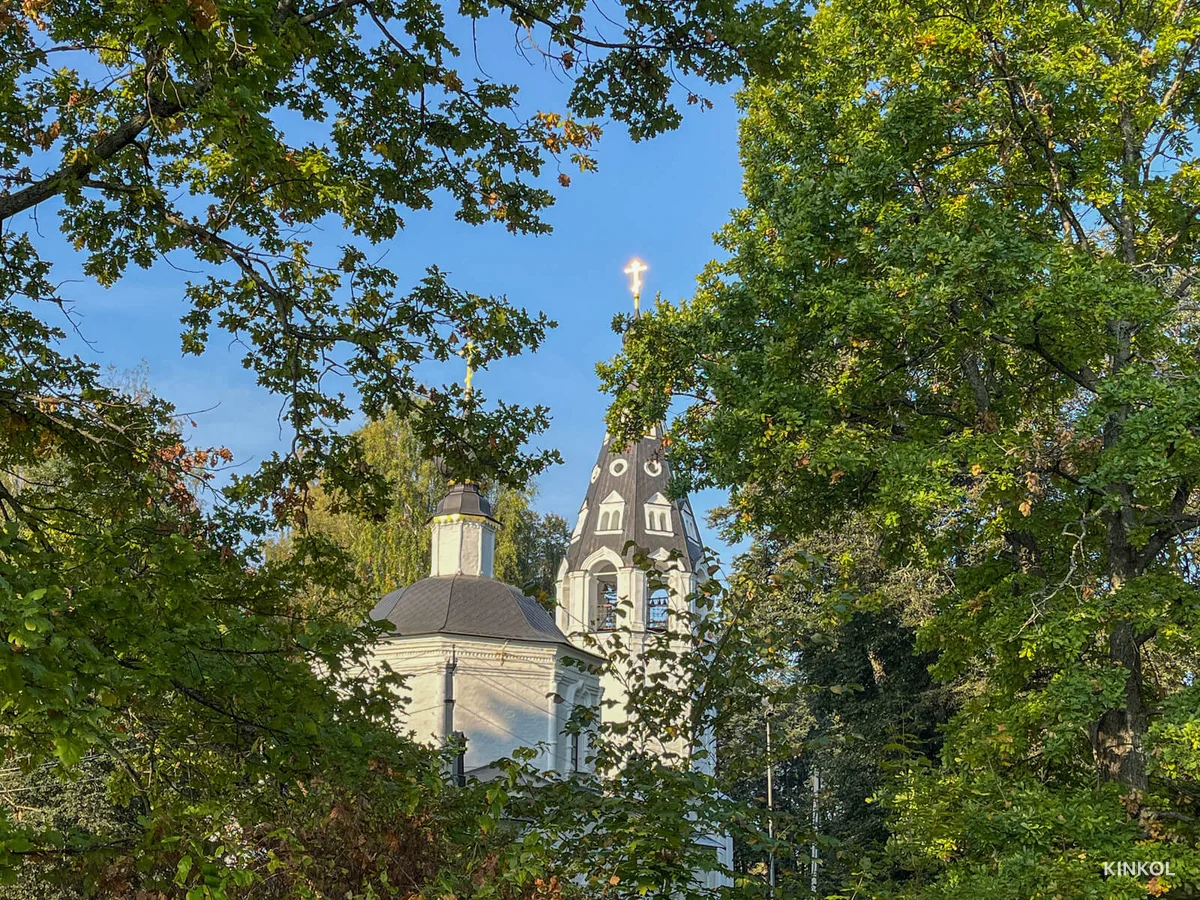
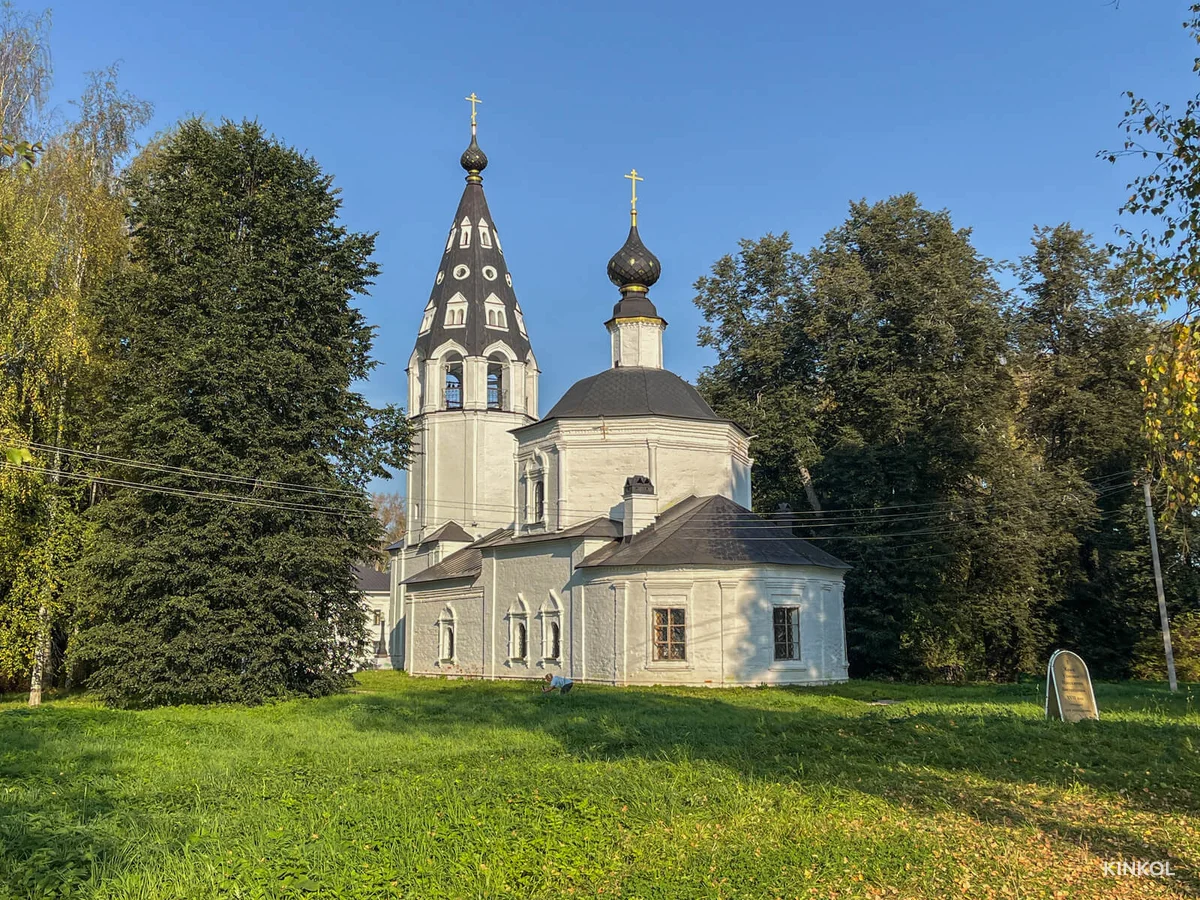
The dominant feature of the Cathedral Hill ensemble is the Assumption Cathedral, built in 1699. It is the oldest surviving building in Plyos and the oldest church in the Ivanovo region. Its predecessor, a wooden church from the 15th century, built by order of Prince Vasily I, was part of the city's defensive complex. After a fire in 1695, a stone cathedral in the Moscow Baroque style was built in its place, distinguished by its simplicity and grandeur, with characteristic arched windows, an 18th-century bell tower, and interior frescoes that have survived to this day.
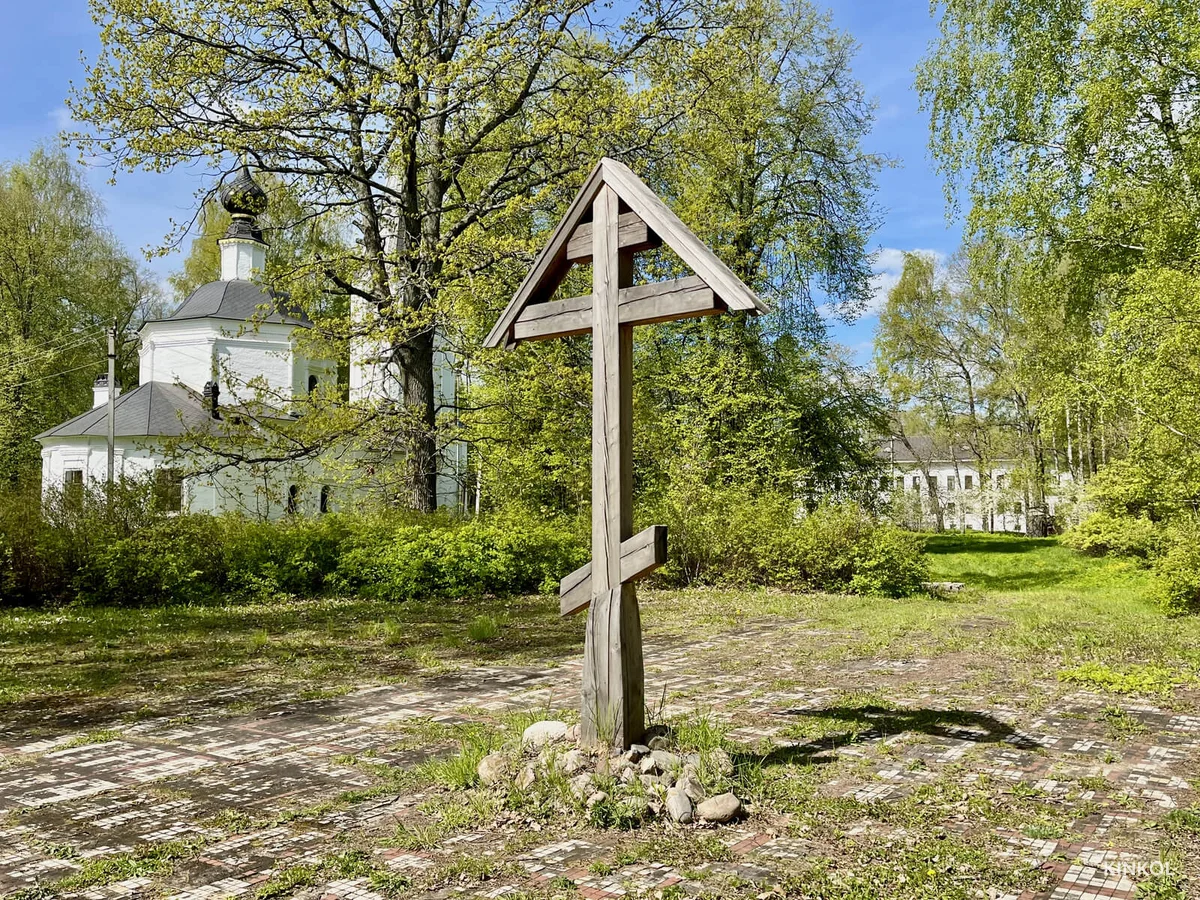
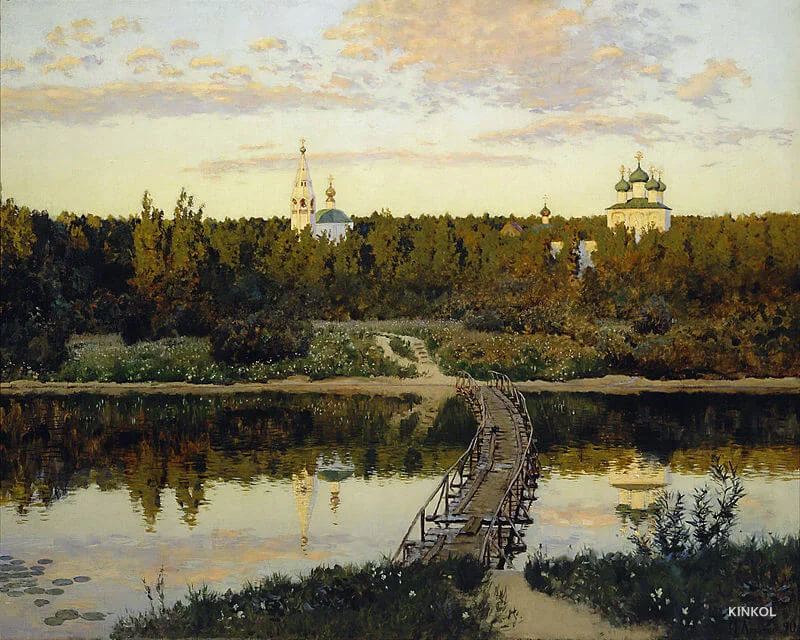
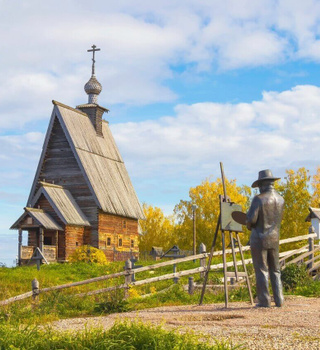
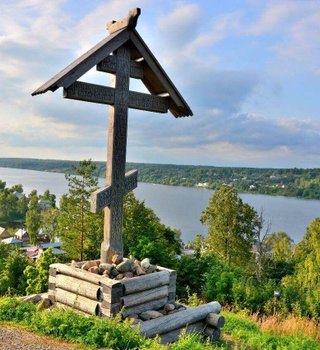
In 1828, a spacious Kazan Cathedral was erected next to the Assumption Cathedral, serving as a summer church, while the Assumption became the winter one. Unfortunately, the Kazan Cathedral did not survive — it was destroyed in the late 1930s. It is commemorated by a cross installed in the shade of ancient oaks, paintings by I.I. Levitan, such as “Quiet Abode” and “Evening Bell,” depicting the domes of both cathedrals, and a photograph by Sergey Prokudin-Gorsky taken in 1910, showing the domes of the Kazan Cathedral.
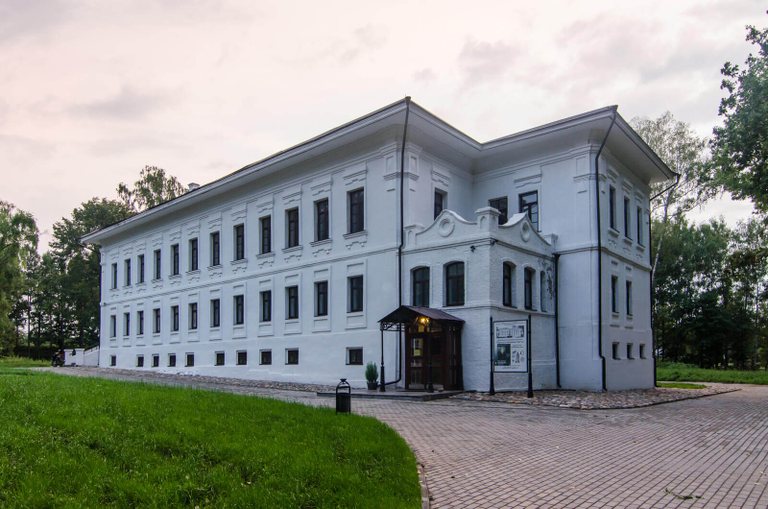
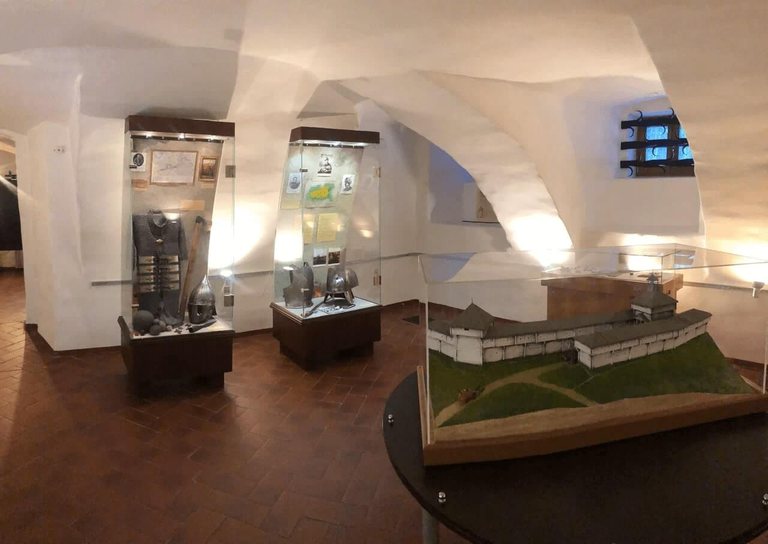
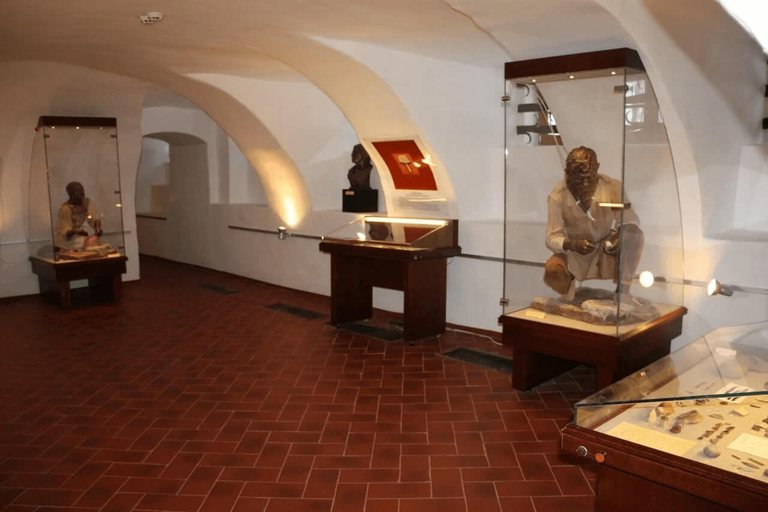
Near the Assumption Cathedral stands the building of the Presence Places, which today houses the exhibition "Ancient Plyos and the Ivanovo Land." In the past, this building had many purposes: it housed the City Council, the City Bank, and a school. Important state documents were stored within its walls, and wine in its cellars. But now this place tells a different story — the story of the region, from ancient times to the 17th century. Passing through five vaulted halls, you can see unique archaeological finds, such as women's jewelry from the 7th century, arrowheads, chainmail, and swords. Of particular interest is the "stone of love" — a cult stone of phallic shape used in pagan rituals. With the help of anthropological reconstructions and large-scale models, every visitor can literally touch the past, trying on ancient Russian costumes or chainmail with the help of a virtual fitting room.
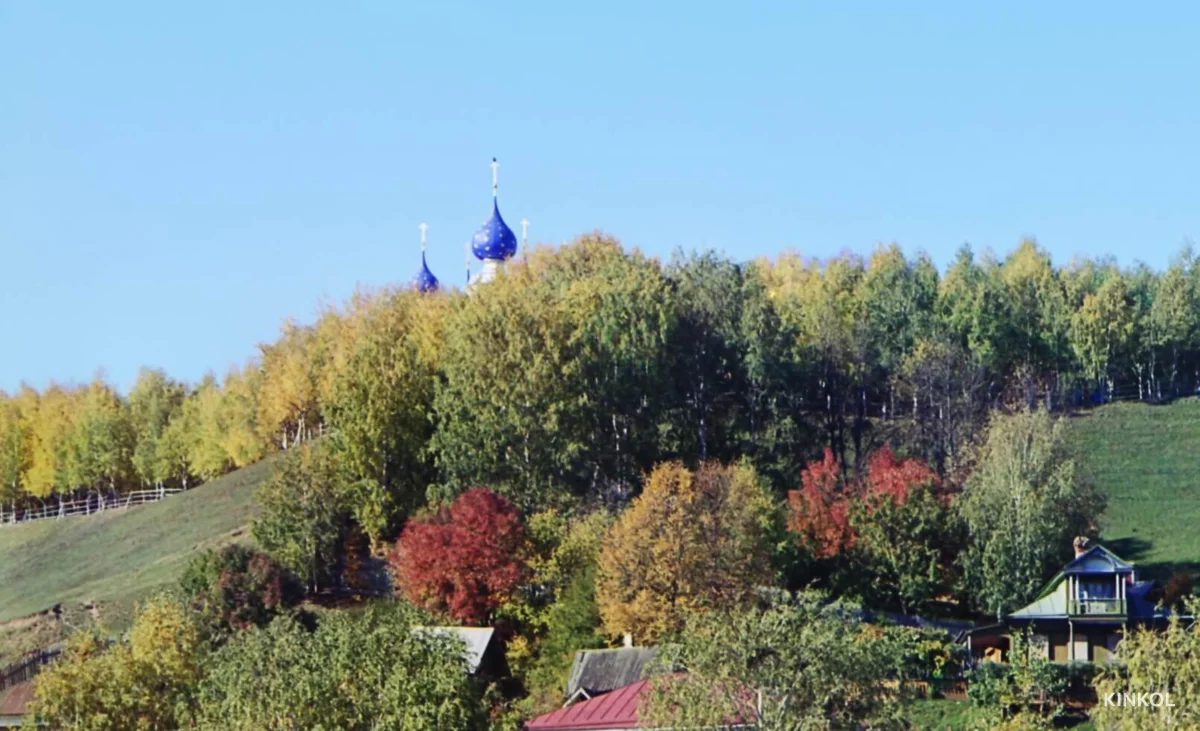
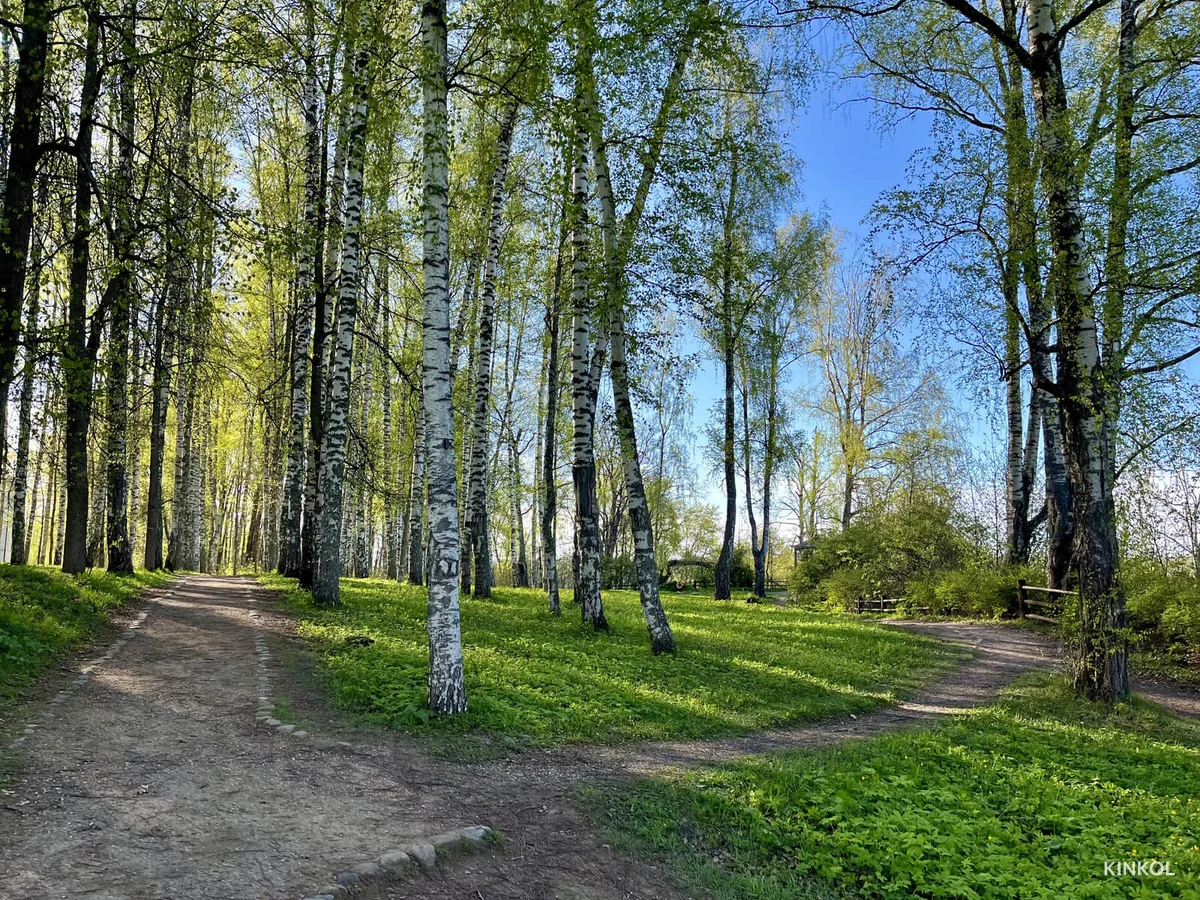
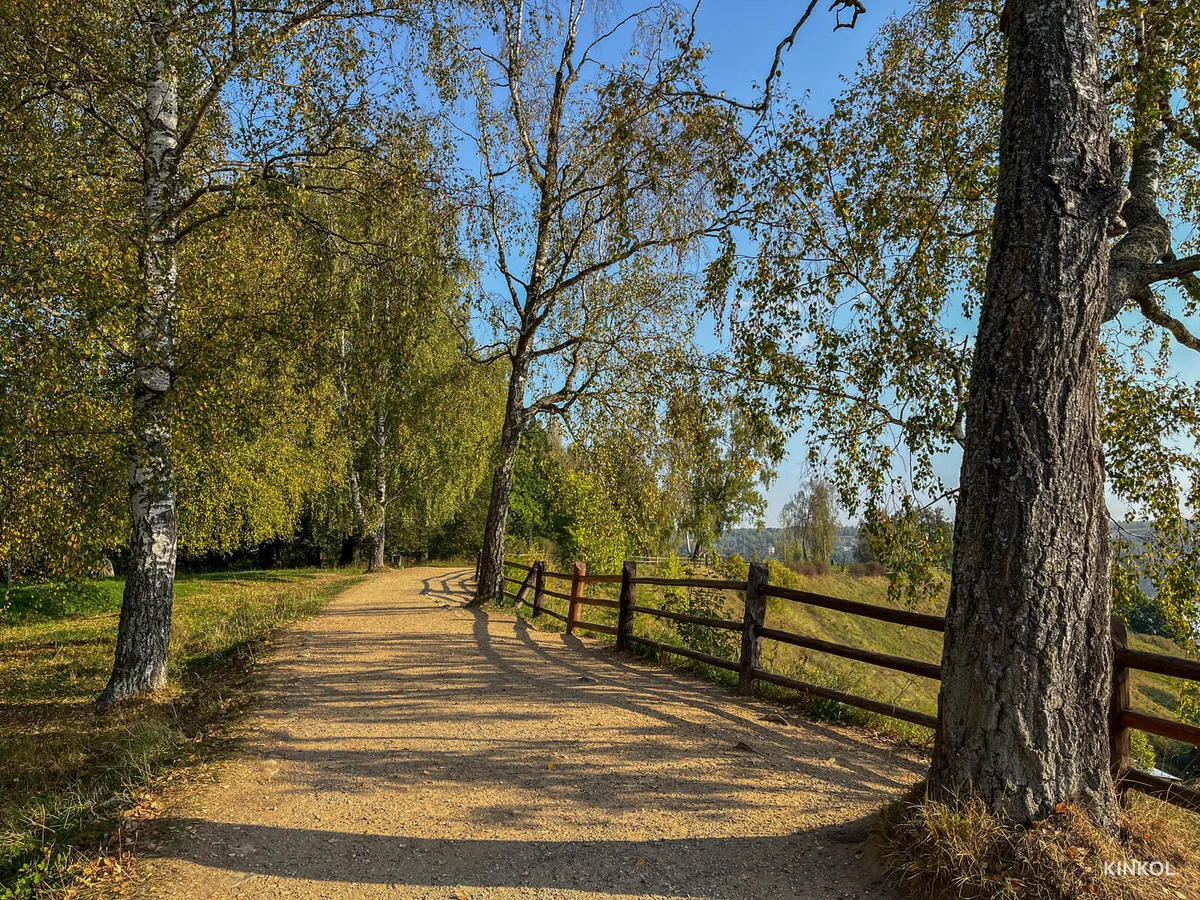
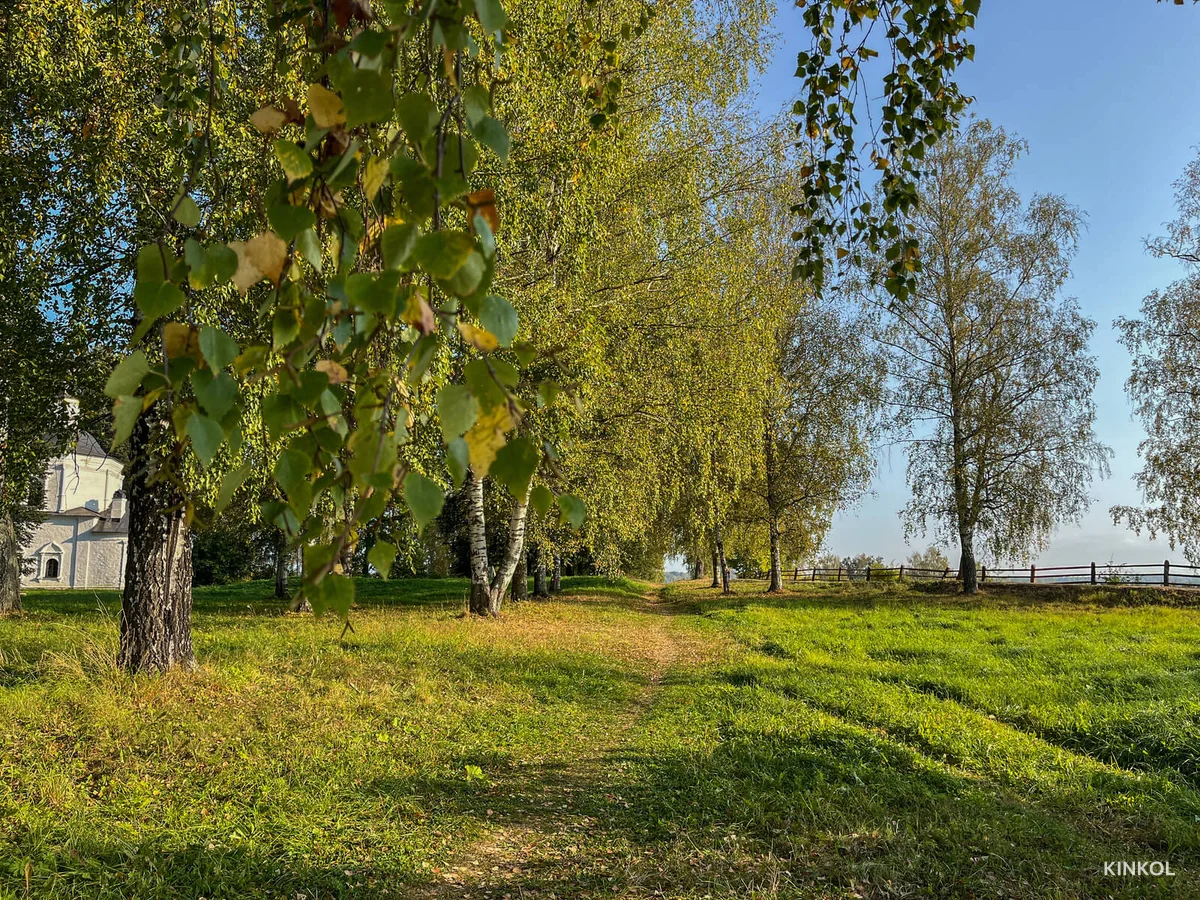
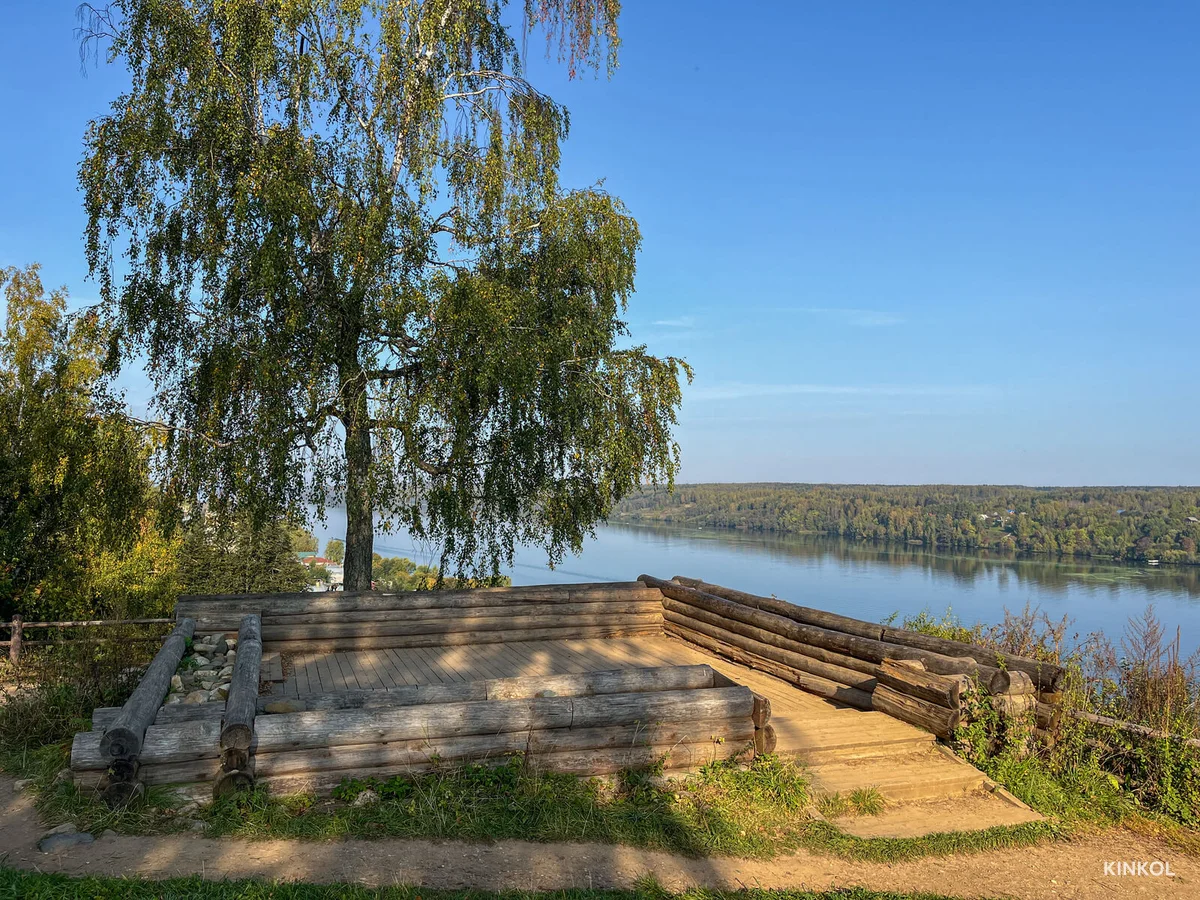
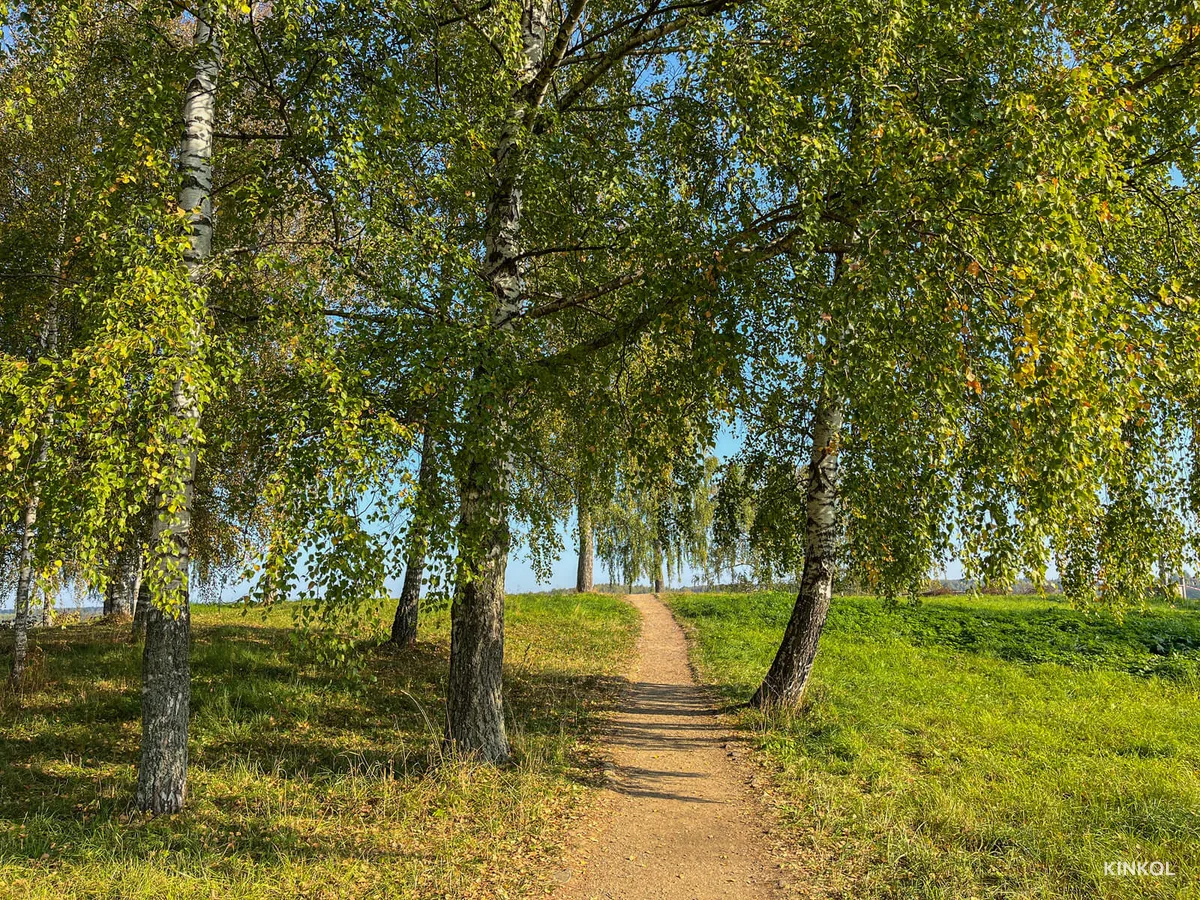
A convenient pedestrian path runs around the perimeter of Cathedral Hill, with numerous viewing platforms. It's pleasant to walk here and enjoy panoramic views of the Volga and Zarechye at any time of the year. In spring, the warm wind and the songs of Plyos birds create an atmosphere of a fairy-tale place that you immerse yourself in with all your soul. In summer, the sun's rays, breaking through the dense green foliage, create incredible melodies of light. These rays, reflecting off the water's surface and the colorful roofs of houses, go straight to your heart, leaving pleasant memories. In autumn, golden carpets and the slopes of Plyos hills form some of the most beautiful patterns. The riot of colors, from bright yellows to deep reds, attracts tourists from all over Russia to Plyos. And in winter, walking on the crisp, clean snow, in complete solitude amidst this beauty, you find the inspiration and peace you have long sought.