Subscribe to the «Plyos Walks» channel on social media — we share useful posts to help you prepare for your trip to Plyos!
Beautiful photos and videos, event announcements, interesting places, discounts and promotions, unique routes, and tips from locals!
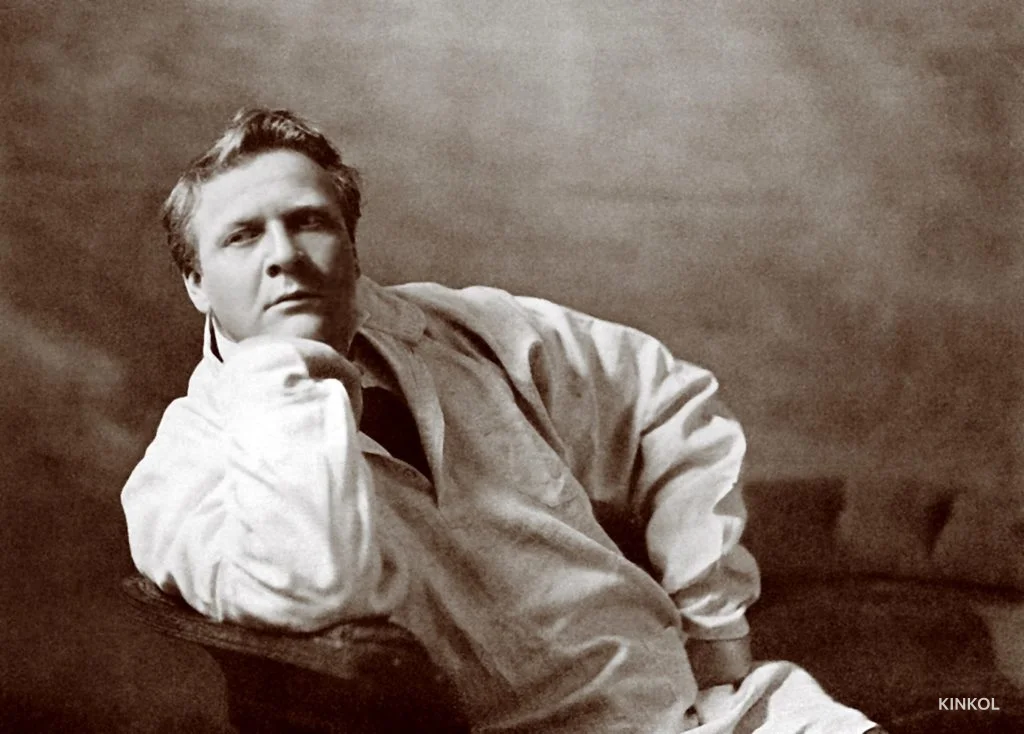
Fyodor Ivanovich Chaliapin (1873-1938) was an outstanding Russian opera singer, known for his powerful bass and acting skills. His name became synonymous with Russian opera art, and he is rightly considered one of the greatest opera performers of all time. He began his career in Kazan and soon conquered the stage of the Mariinsky Theatre in St. Petersburg and the Bolshoi Theatre in Moscow. Chaliapin performed on the world's best stages, including the Metropolitan Opera in New York and La Scala in Milan, leaving an indelible mark on the history of opera.
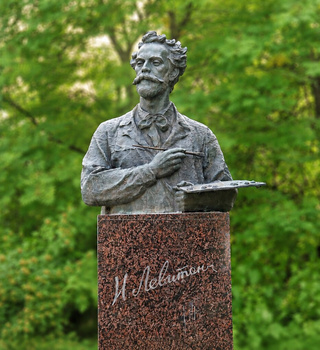
Chaliapin's connection with Plyos began thanks to Sergei Alexandrovich Shchulepnikov, the son of the owners of the Uteshnoye estate, who studied in St. Petersburg. According to one version, Shchulepnikov became a fan of Chaliapin after his performances at the Mariinsky Theatre and invited him to spend the summer in Plyos. However, Shchulepnikov himself denied this in his memoirs, and the most likely reason for Chaliapin's visit was his desire to visit the places where the artist Isaac Levitan, whose paintings he admired, had worked.
On July 23, 1910, Chaliapin arrived in Plyos with the decorator artist Nikolai Klodt. The picturesque views and atmosphere of Plyos inspired him to consider purchasing a plot of land for building a dacha. The owners of the Shchulepnikov estate offered him land near their Uteshnoye estate, not far from Plyos.
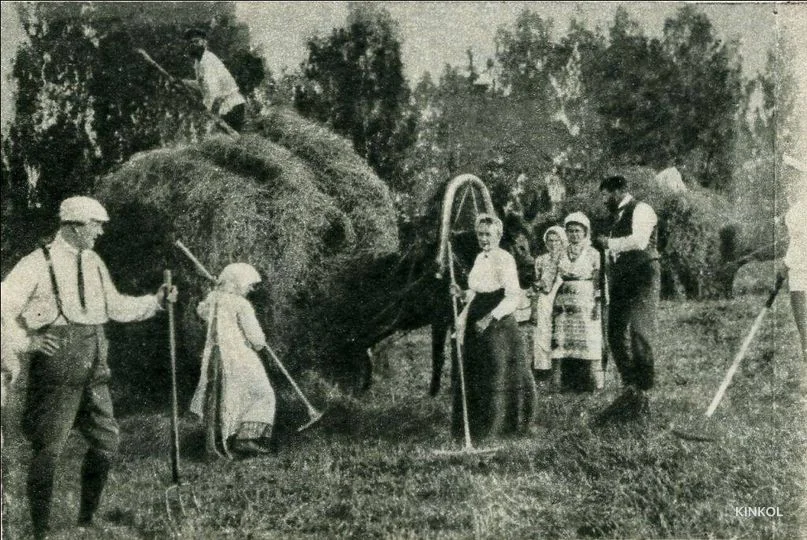
During his visit to Plyos, Chaliapin left a deep impression on the locals with his simplicity and talent. He not only impressed them with his performances but also participated in everyday life, helping peasants with haymaking and joining in evening gatherings. His ability to transform and his joie de vivre charmed everyone who had the honor of knowing him.
Many legends are associated with Chaliapin's visit to Plyos. One of them tells how Chaliapin, upon entering a house where his recording was playing on a gramophone, continued to sing the aria, surprising those present with his appearance. Another story revolves around one of Chaliapin's departures from Uteshnoye. It is said that as he was leaving, “...he wanted to board a passing steamboat from a boat, but for some reason, the steamboat did not want to stop. Then Chaliapin sang one of his operatic arias, and the captain of the steamboat, hearing the famous singer's voice, immediately recognized him and stopped the steamboat. Chaliapin boarded it and went to his family in Moscow.”
Guides also tell how Chaliapin, after disembarking from the steamboat in Plyos, “...leisurely walked through the market square, bought five pounds of sunflower seeds, and, shelling them, looked around with a smile. 'Chaliapin!' was heard in the gathering crowd. 'Polishing his throat with sunflower seeds,' someone joked. 'Nonsense, it's polished with something else,' another voice interrupted, followed by a loud snap on the throat...'” The rumor of Chaliapin's arrival quickly spread throughout the town, and a huge crowd followed him. They asked him to sing, but he, smiling, refused and, still tossing sunflower seeds into his mouth, joked, “The throat is not polished...”
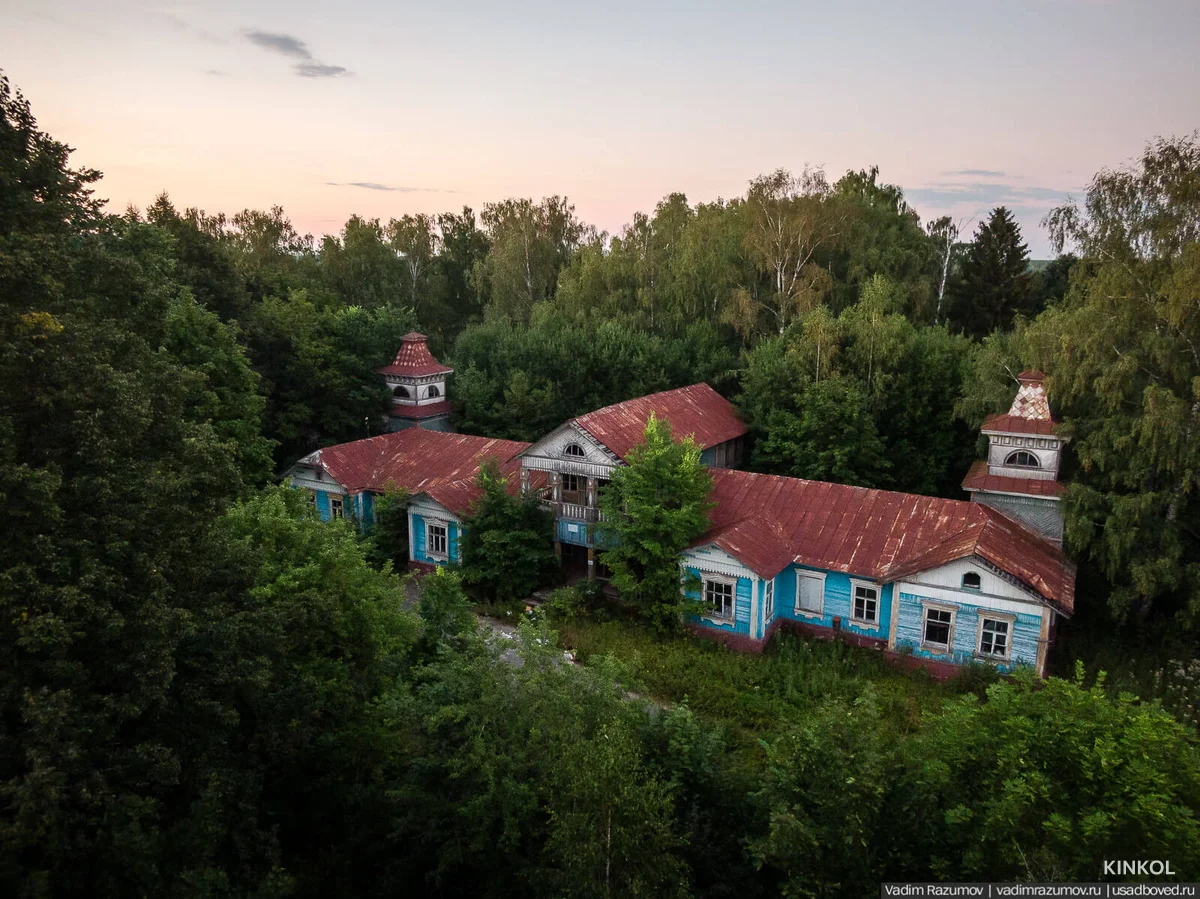
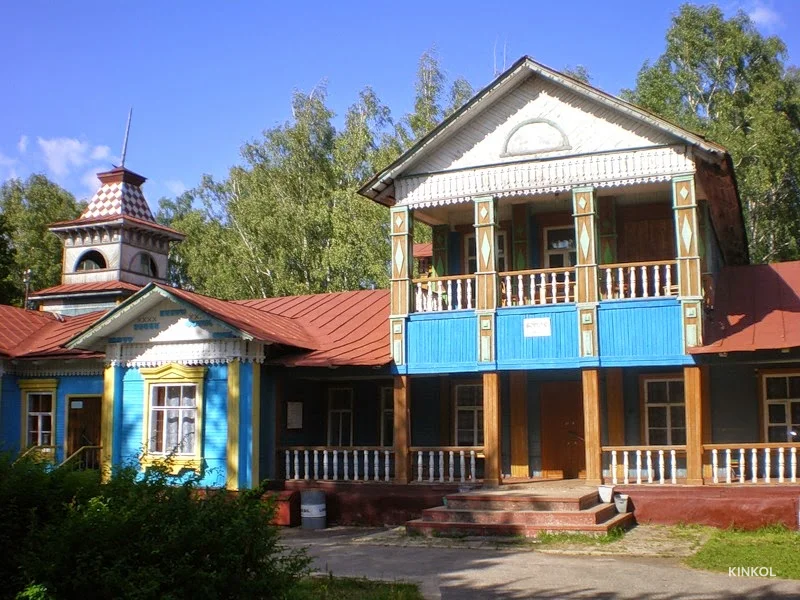
Enchanted by the beauty of the local landscapes, Chaliapin decided to purchase a plot of land in Khmelnitsy, located 5 kilometers from Plyos on the right bank of the Volga. The construction of the dacha began in 1913, but due to Chaliapin's busy work schedule, he could not personally oversee the process, entrusting it to his friends, the Shchulepnikovs. After the revolution, the dacha was nationalized and used as a children's commune and later as a holiday home.
Some historians claim that Chaliapin never visited his dacha after its completion, while others believe he did visit in 1914 but was disappointed by the lack of a view of the Volga. After the 1917 revolution, Chaliapin's dacha was nationalized and used as a holiday home.
Currently, the dacha is abandoned.
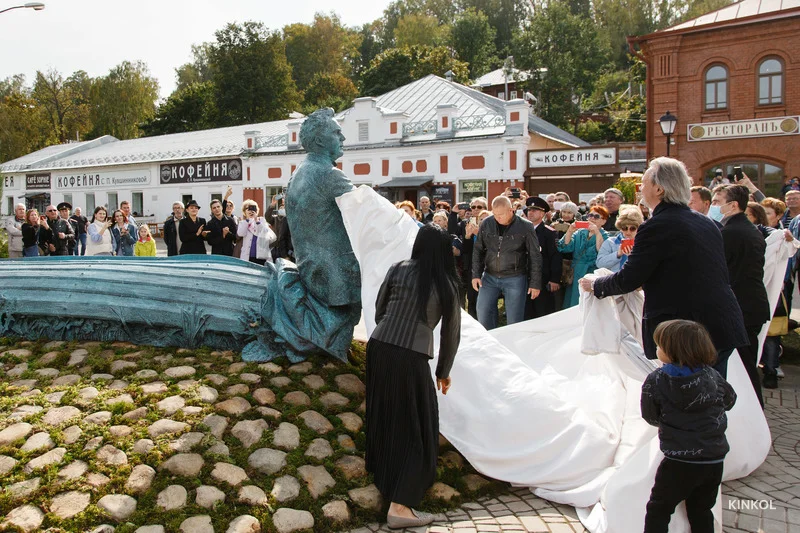
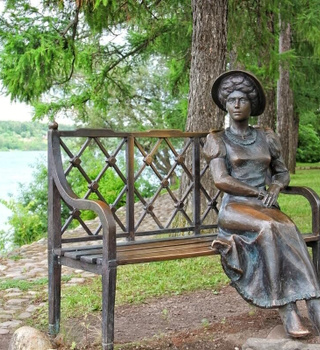
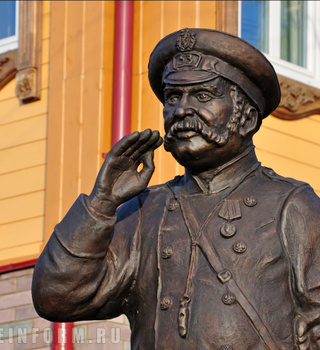
In September 2020, a monument to Fyodor Ivanovich Chaliapin was solemnly unveiled in the center of the Plyos embankment. The monument, created by sculptor Alexander Rukavishnikov, depicts the singer as a simple summer resident of Plyos, who, while strolling along the banks of the Volga, decided to rest and sat on a boat. Next to him, a village girl observes him. According to the author, this girl symbolizes the connection between the old and new Russia.
The monument is made of bronze and weighs about two and a half tons. The material was specifically chosen to create the effect of antique English bronze, which will acquire even more charm over time. Rukavishnikov tried to avoid the typical brown hue often found in city monuments and gave the bronze a greenish tint using special components such as ammonia, rosin, and wax.
The composition of the monument includes several elements: a boat, a girl with a dog, a stone with a commemorative plaque, and a wooden fence, creating a sense of completeness and harmony. The monument has become another jewel in the collection of cultural and historical attractions of Plyos.