Churches in Plyos

Orthodox churches of Plyos
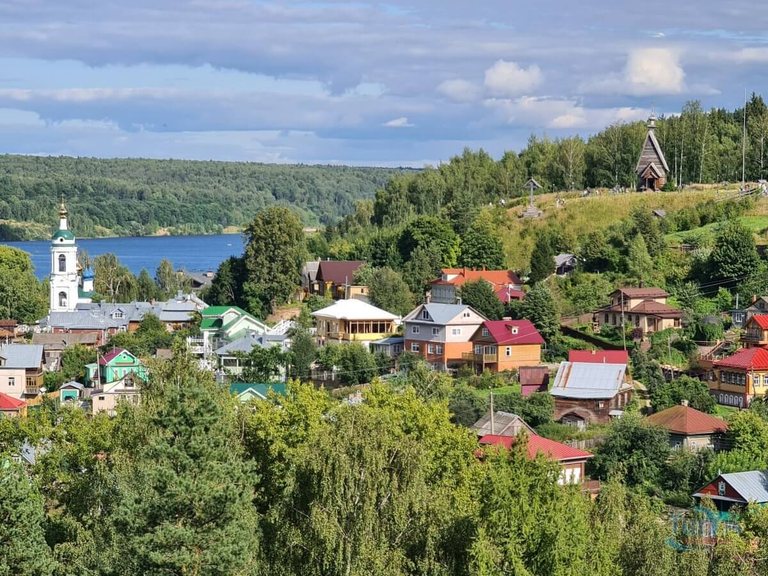
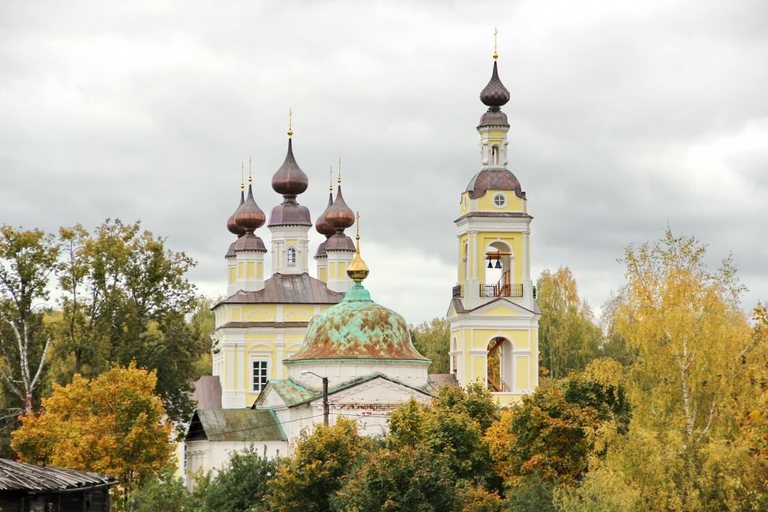
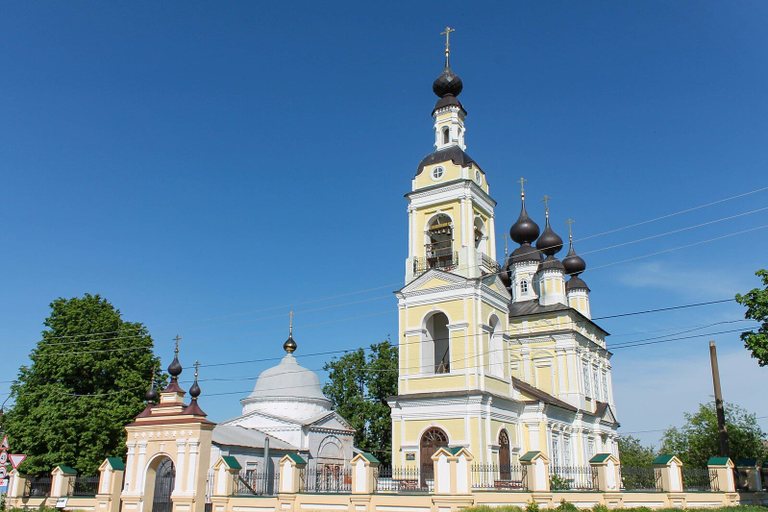
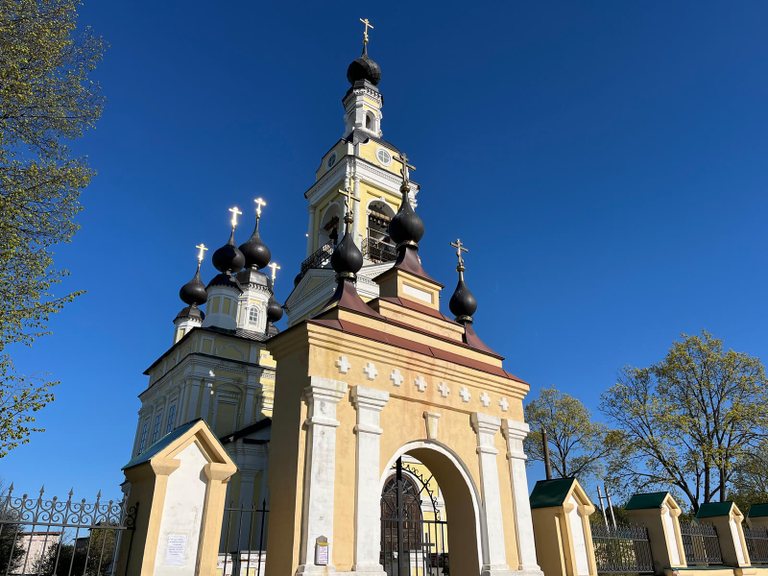
In Plyos, the Orthodox faith plays a significant role. The town is adorned with several beautiful Orthodox churches, each with its unique architectural beauty. The churches are not only architectural masterpieces but also serve as places of worship and spiritual inspiration, attracting both believers and travelers eager to learn about the history and culture of this beautiful region.

A tip before your trip to Plyos

Subscribe to the «Plyos Walks» channel on social media — we share useful posts to help you prepare for your trip to Plyos!

Beautiful photos and videos, event announcements, interesting places, discounts and promotions, unique routes, and tips from locals!

Cathedral of the Assumption of the Blessed Virgin Mary
The oldest church in the Ivanovo region
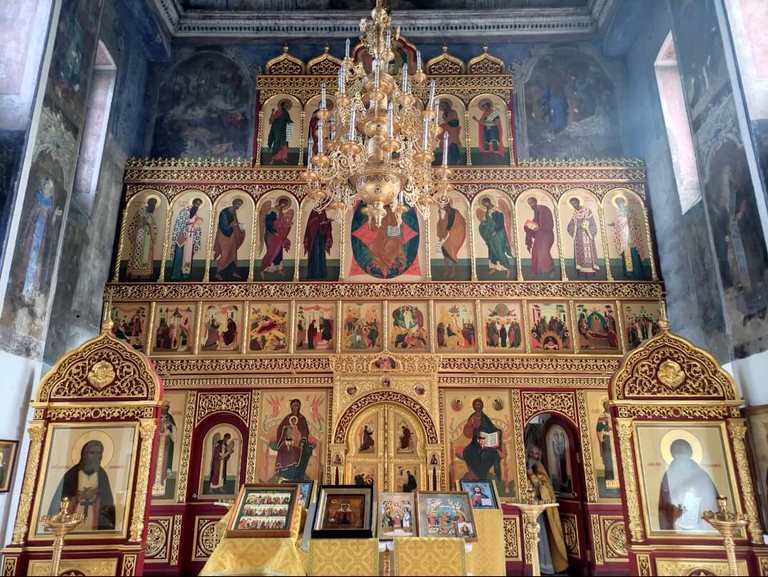
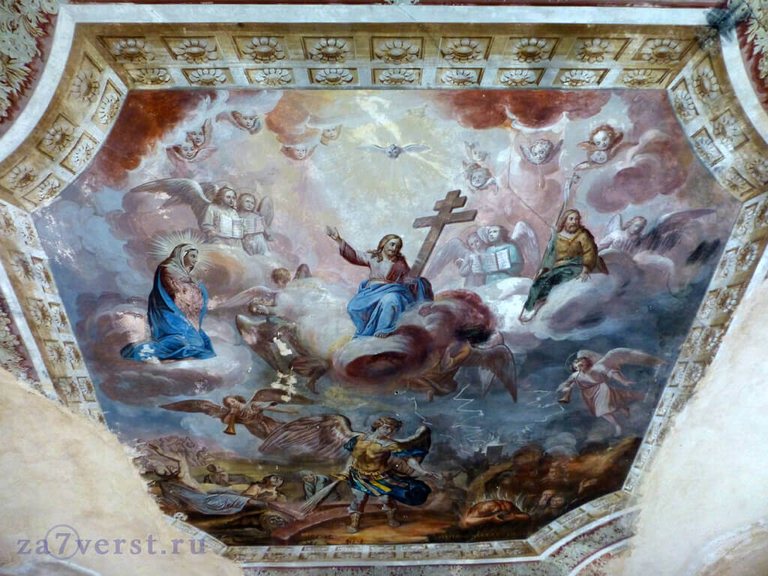
The Cathedral of the Assumption of the Blessed Virgin Mary, erected in 1699 on the site of a burnt wooden church, is the oldest surviving building in the city and the oldest church in the Ivanovo region. Built in the Moscow Baroque style, the cathedral is an octagon on a quadrangle with a characteristic bell tower added at the end of the 18th century. Despite being closed from 1936 to 1944, the cathedral remained an important center of spiritual and cultural life in the city, and today it continues to attract tourists with its architecture and preserved interior frescoes.
Church of the Resurrection of Christ from Bilyukovo
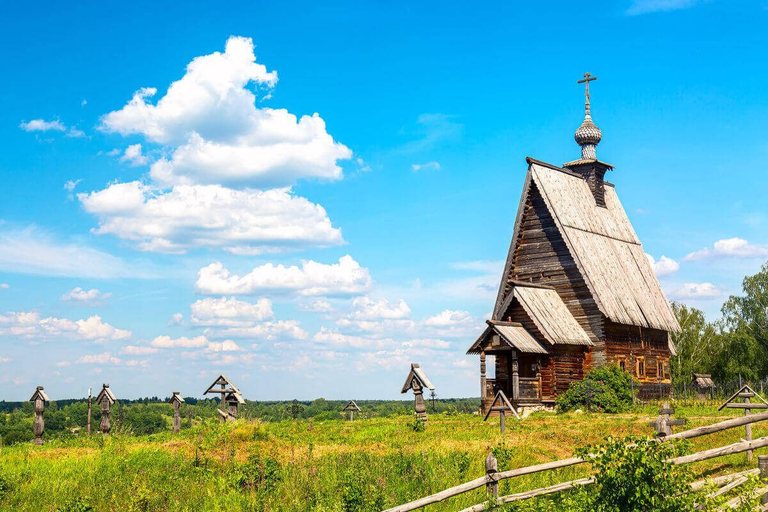
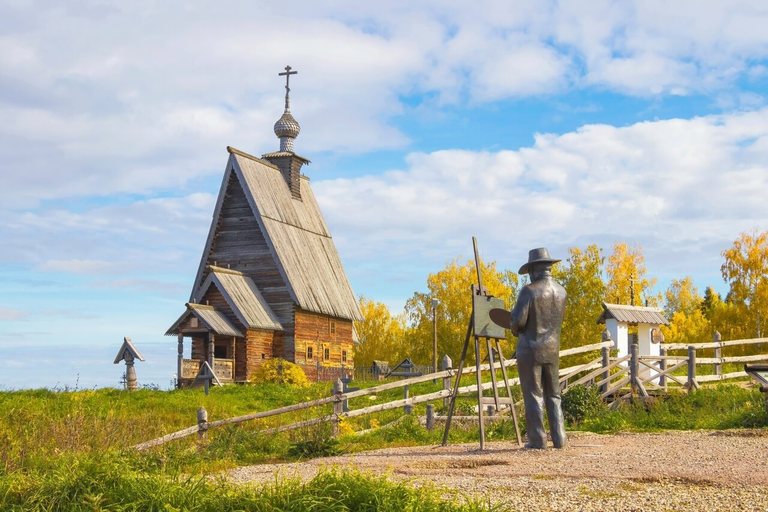
Church "Over Eternal Rest" from Levitan's paintings
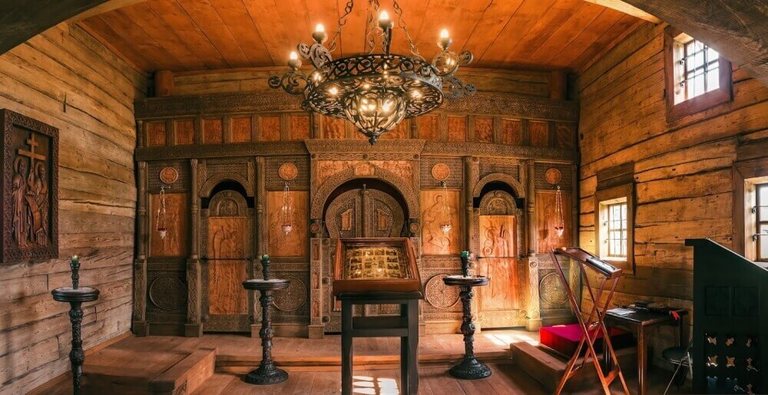
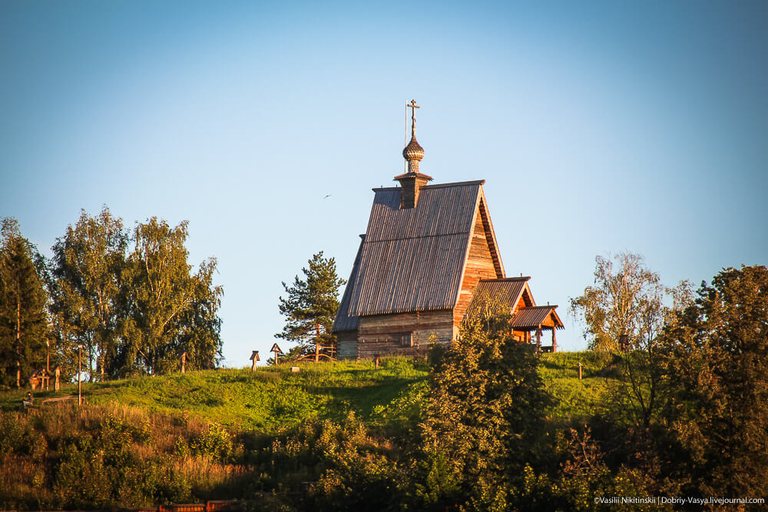
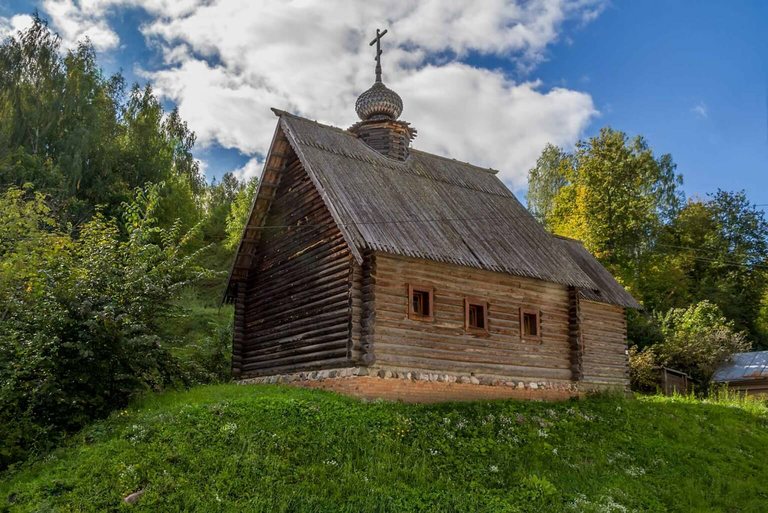
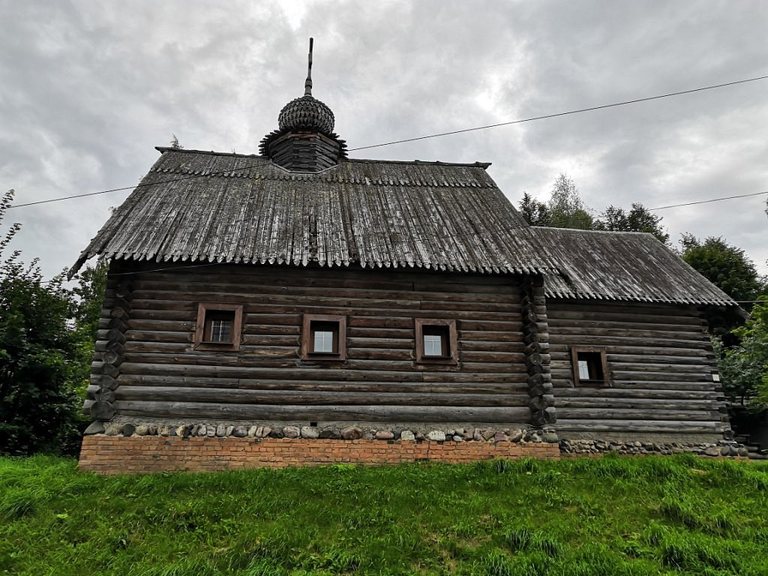
The Church of the Resurrection of Christ, located on Levitan Hill, is a striking example of Russian wooden architecture. Moved from the village of Bilyukovo in 1982, this church serves as an important cultural and historical monument. It replaced the ancient Church of Peter and Paul, which stood on this site until the early 20th century.
Church of Saint Barbara the Great Martyr
A view adorning the landscapes of Plyos
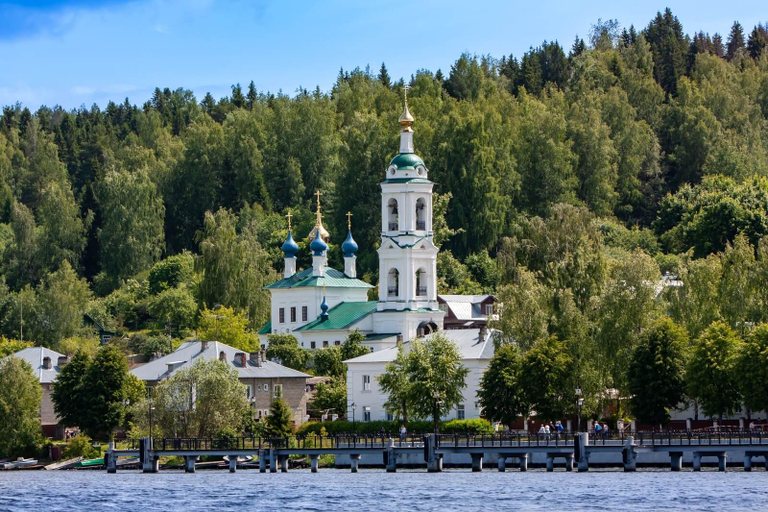
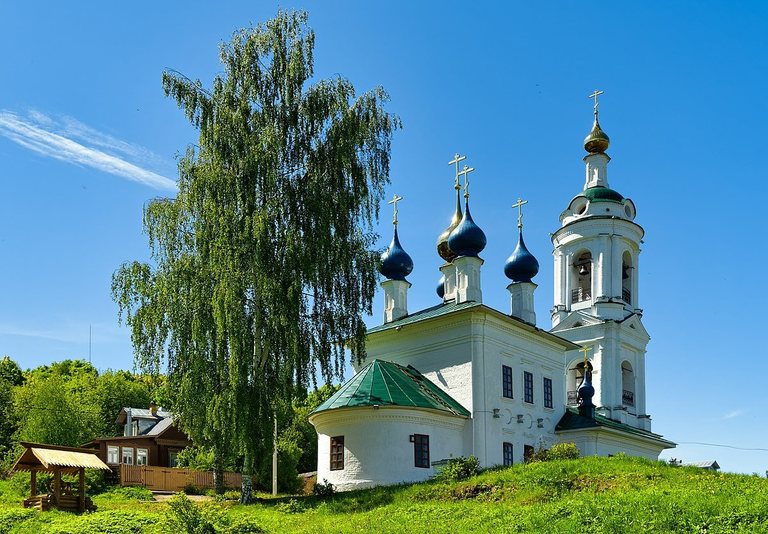
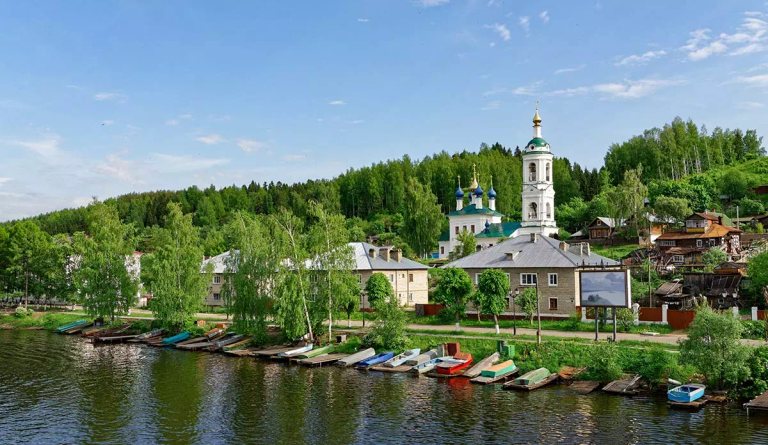
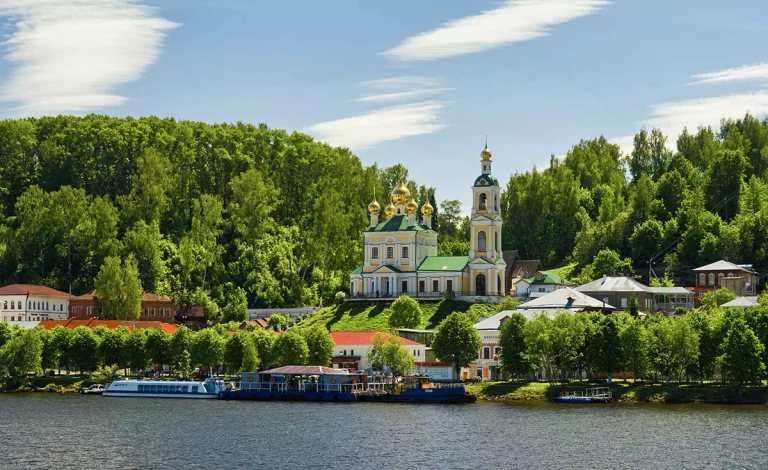
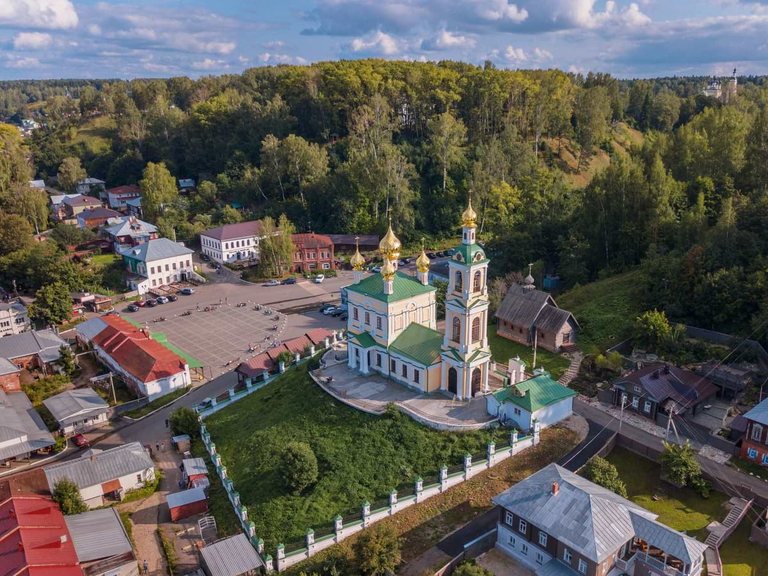
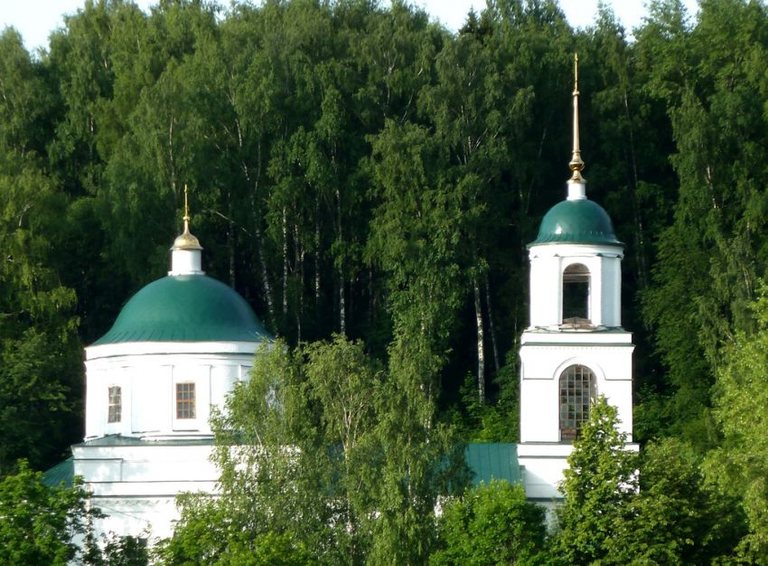
The Church of Saint Barbara the Great Martyr is one of the outstanding examples of Orthodox architecture, located on an elevation near the banks of the Volga and at the foot of the picturesque Levitan Mountain. This church, built in the Classicism style, not only serves as an important cultural and spiritual center of the city but is also a landmark element of its architectural landscape.
Church of the Resurrection of Christ
Church built in honor of the victory over Napoleon
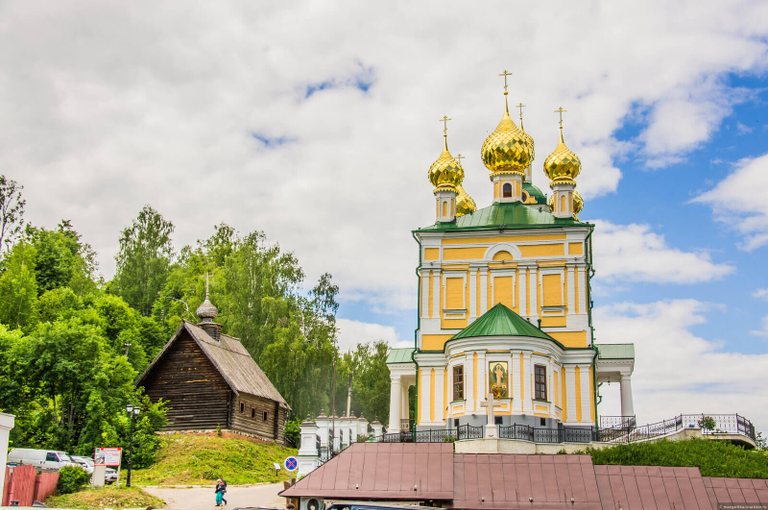
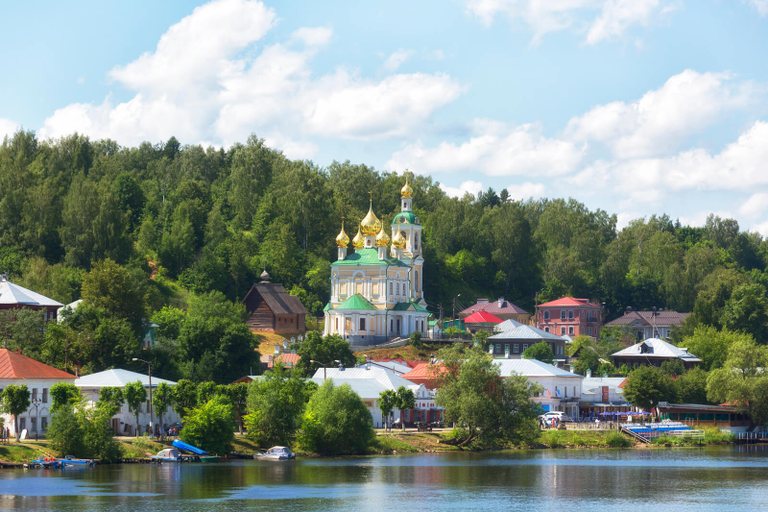
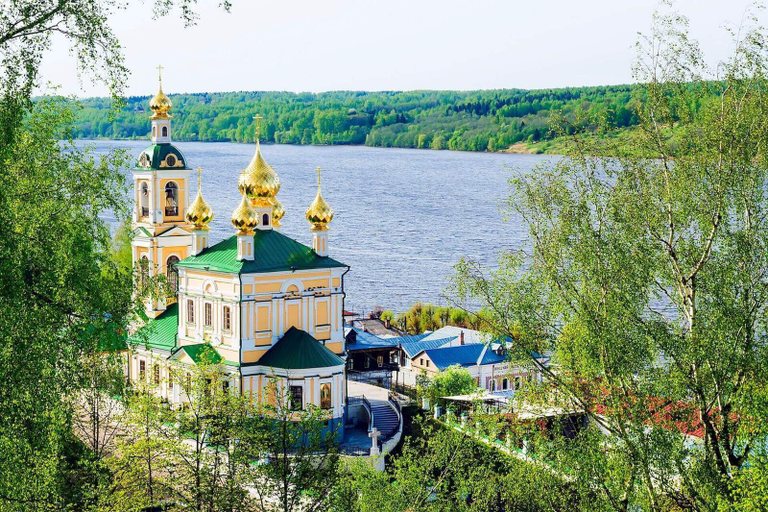
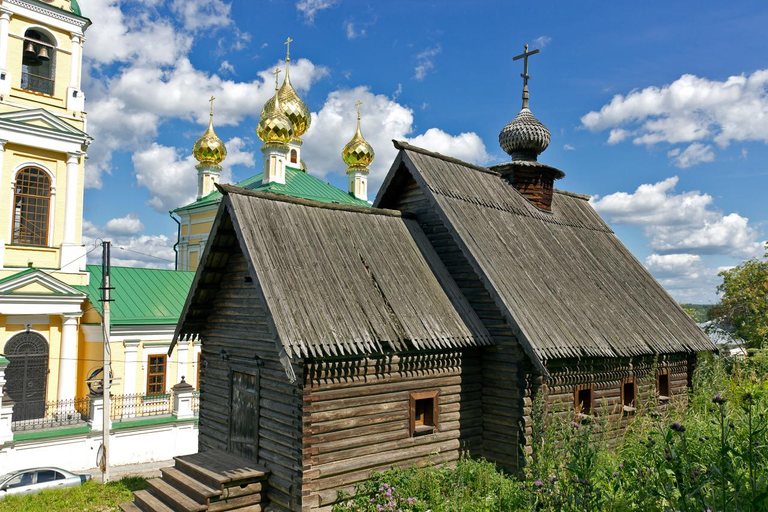
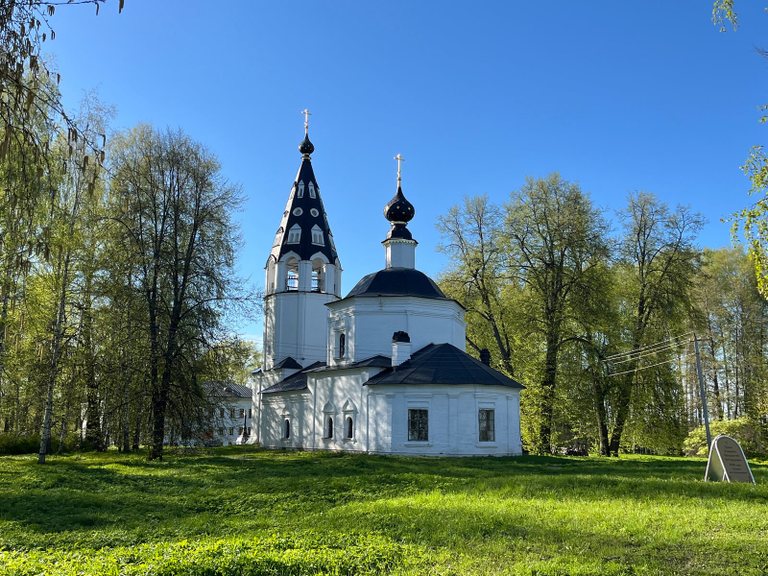
The stone Resurrection Church, built in 1817 in honor of the victory over the French in the Patriotic War of 1812. In the 19th century, it was the center of the city's spiritual life, where services and celebrations were held. After the October Revolution, the church was closed and used for household needs, but in 1961, an art gallery was opened here. In 1990, the church was returned to the faithful and restoration began. Today, the church is active again, its domes shining with gold, and a wooden chapel of Archangel Michael is installed nearby. The Resurrection Church is an important cultural object, often depicted on postcards and in films.
Church of the Life-Giving Trinity
“Gateway to Plyos”
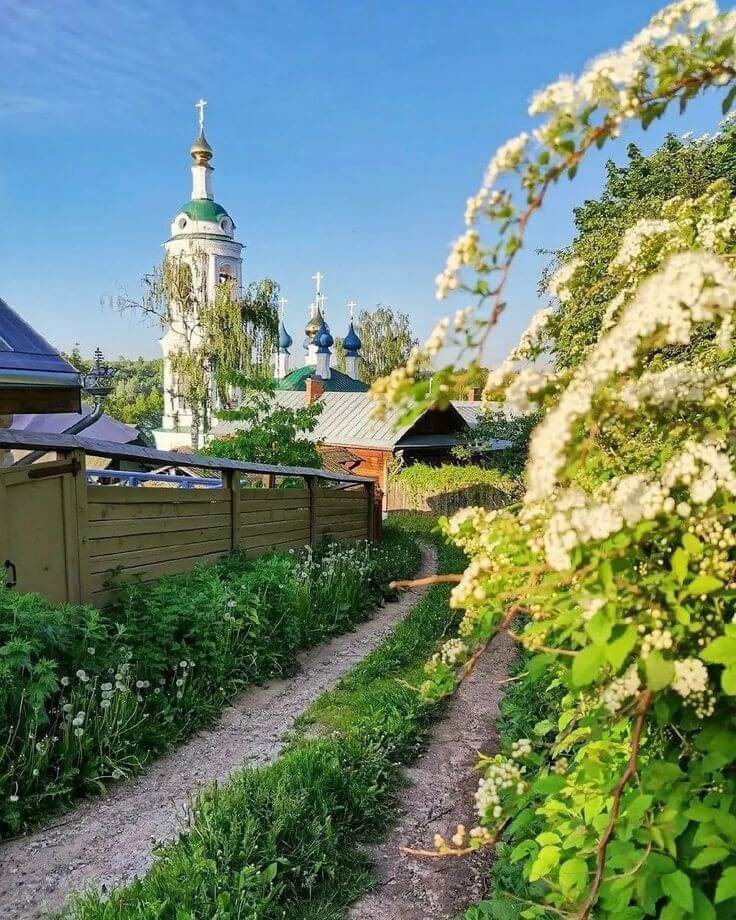
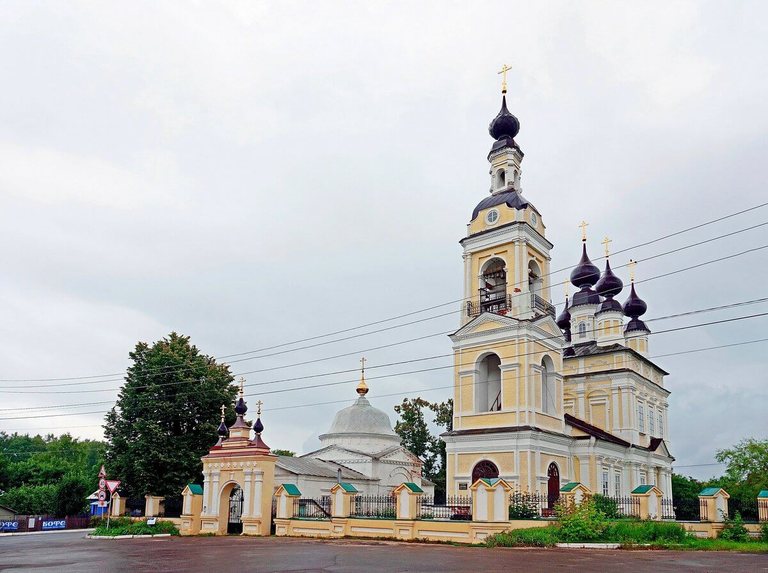
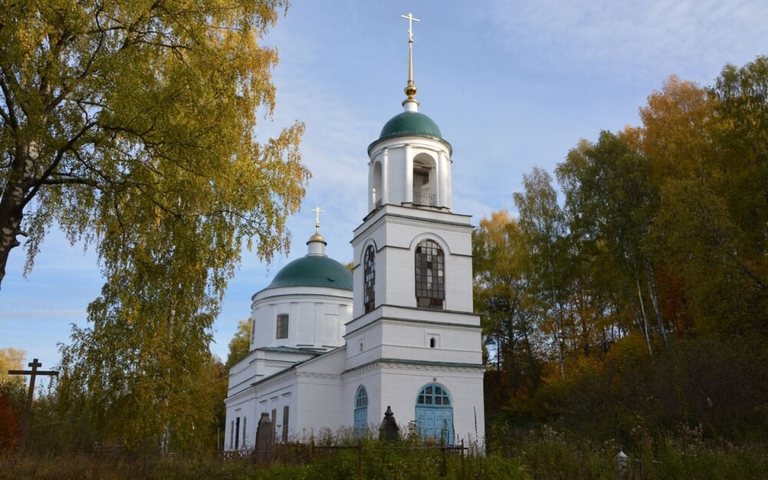
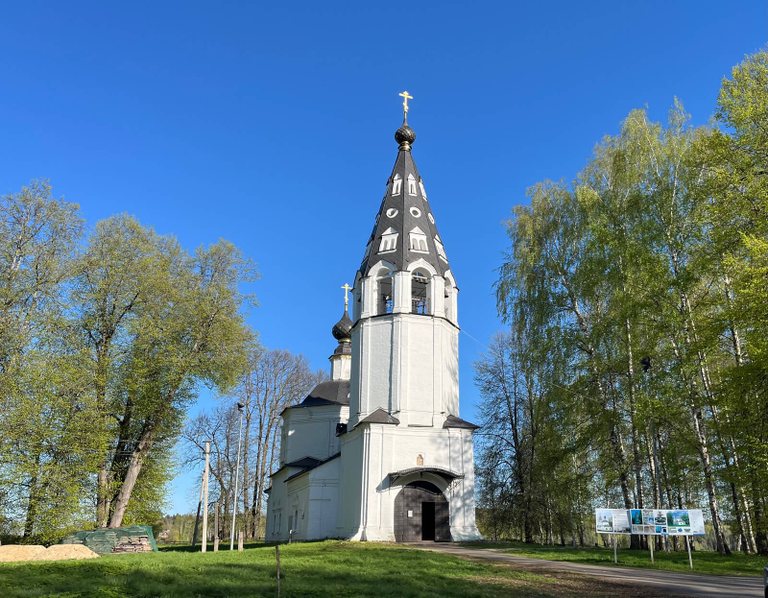
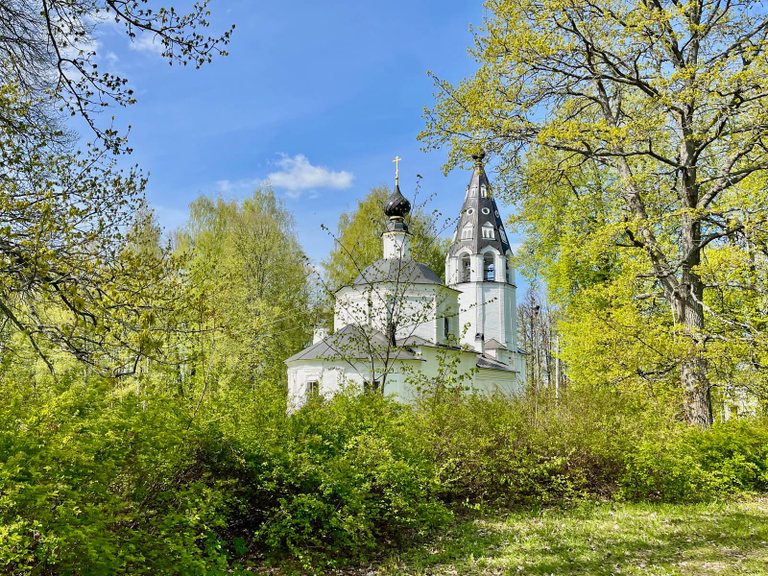
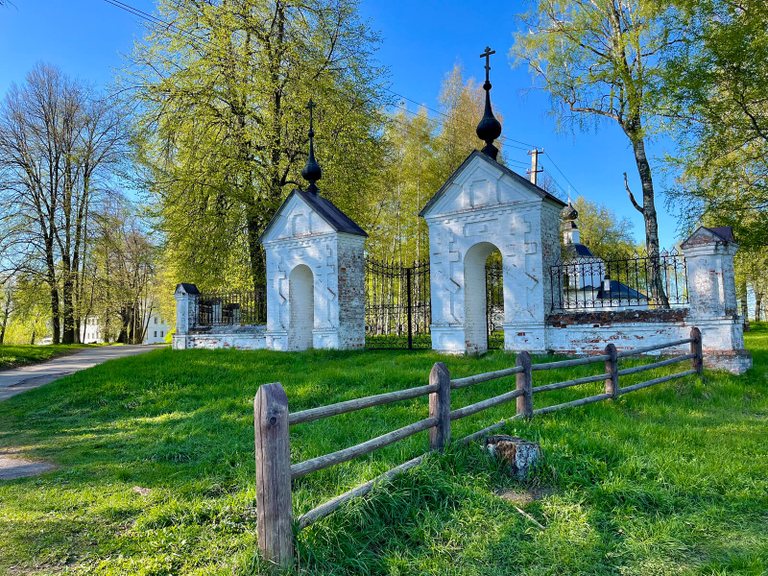
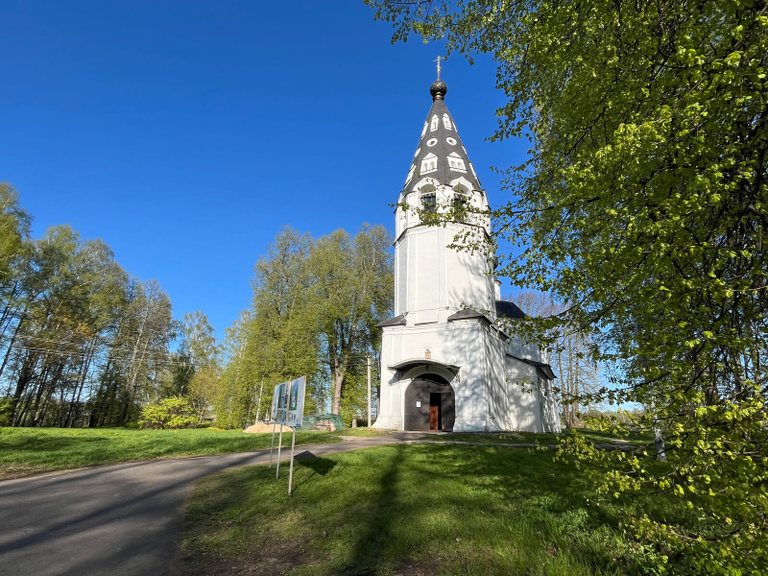
The Church of the Life-Giving Trinity, built in the Baroque style in 1808, is an outstanding example of early 19th-century architecture. Its two-tiered structure, adorned with onion domes and a slender three-tiered bell tower, is complemented by expressive glue painting from the mid-19th century. The church was originally built on the site of a wooden church from 1628. Modern restoration in 2014-2015 restored the church to its historical appearance. Important local shrines include the icons of the Trinity and the Smolensk Mother of God.
Chapel of St. Nicholas the Wonderworker
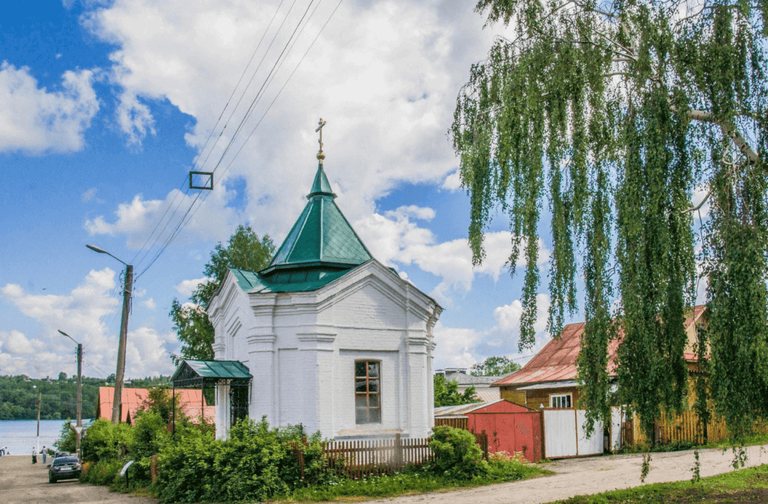
The Chapel of St. Nicholas the Wonderworker, built in 1892 on the site of a burnt wooden church, is a magnificent example of Russian style. The octagonal brick structure with a tented roof and expressive facade decorations fits perfectly into the landscape and is located next to the Varvarinskaya Church. Archaeological research has revealed burials here dating from the 14th to the 18th centuries, indicating the ancient history of the place. During Soviet times, the chapel was used as a store, but now it belongs to the Varvarinsky parish and has recently been restored.
Wooden Chapel of Archangel Michael from Antonovo
A unique monument of wooden architecture
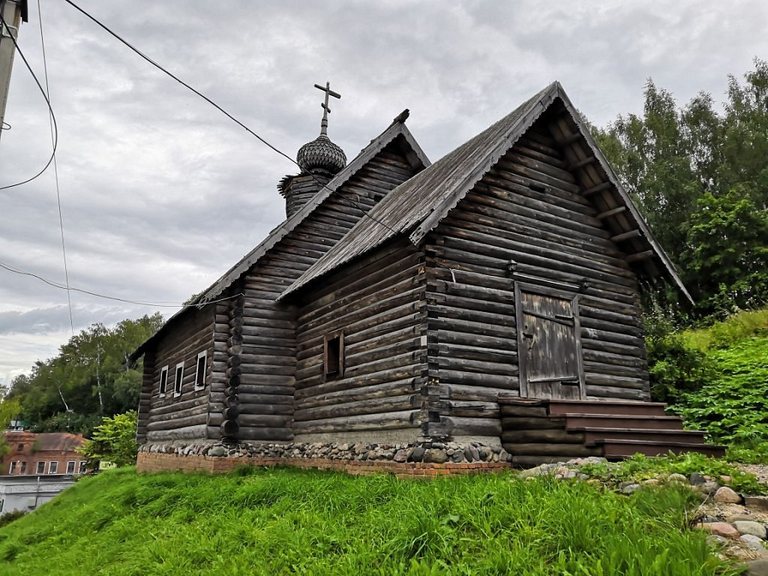
The wooden chapel of Archangel Michael from Antonovo, built in 1825, is a unique monument of wooden architecture and one of the few remaining traditional rural chapels of the cell type. Originally erected in Antonovo and moved to Plyos in 1989, the chapel was used by the Plyos artists' community as an exhibition hall from 2005 to 2007, and in 2018 it was consecrated as the Church of Archangel Michael. Today, it complements the architectural ensemble of the city, remaining an important cultural object and attracting tourists' attention.
Church of the Transfiguration of the Lord
The Church of the Transfiguration of the Lord, built in 1849 on the site of the abolished Spaso-Preobrazhensky Monastery, is a monument of late classicism in Plyos. The church, with its monumental architecture and modest decorative adornments, includes three altars and preserved 19th-century frescoes. Closed in 1937 and used for other purposes during Soviet times, the church was restored between 2010 and 2015. Although it is no longer active, the church remains a cultural site, attracting tourists with its historical and architectural significance, as well as its proximity to the birch grove depicted in Isaac Levitan's painting.
Contents

Главное меню