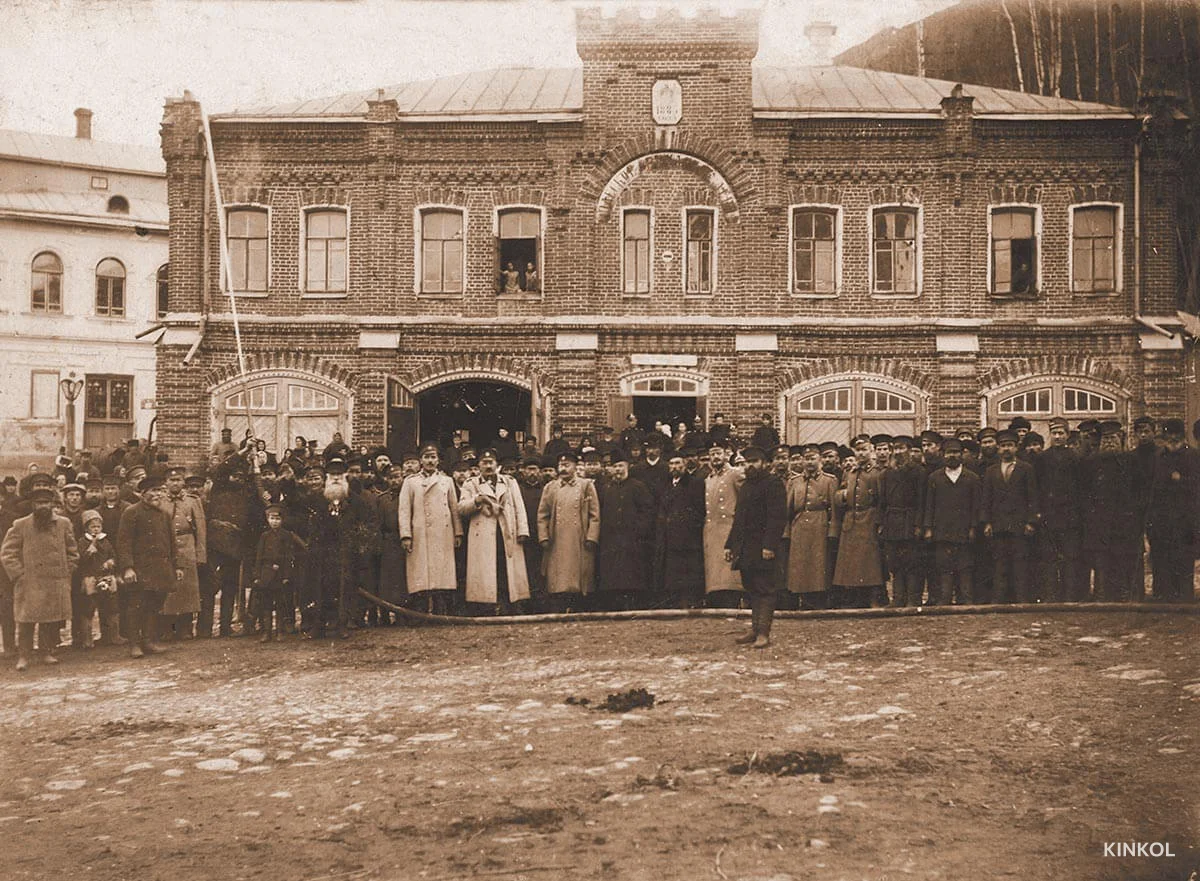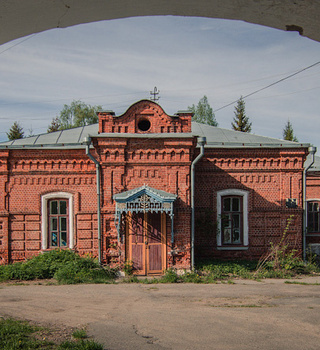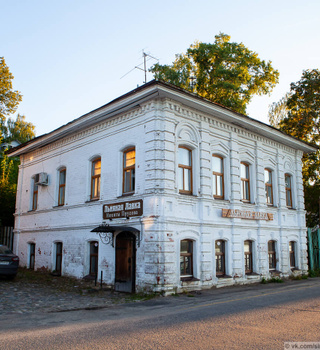
The history of the Plyos fire station dates back to 1885, when a two-story red brick building was constructed. This facility became an important element of the city's infrastructure, providing protection against fires, which at that time were one of the main threats to cities with wooden buildings. Plyos, with its hilly landscape and numerous wooden structures, was no exception.
The fire station building has a unique layout: the first floor housed the fire depot, while the second floor contained the police station and a detention cell. This combination of functions was dictated not only by cost-saving measures but also by the specific requirements of the time, when city officials and police chiefs were also responsible for fire safety.
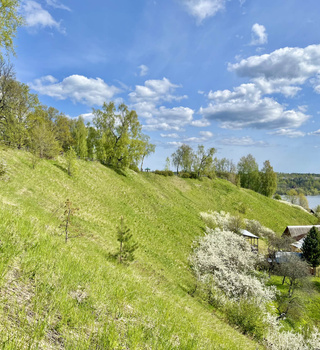
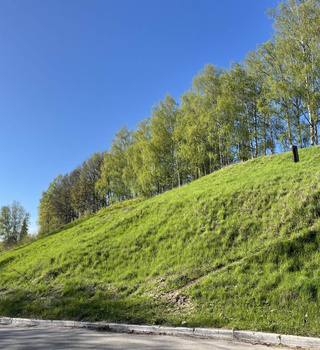
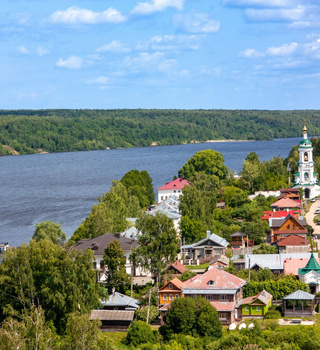
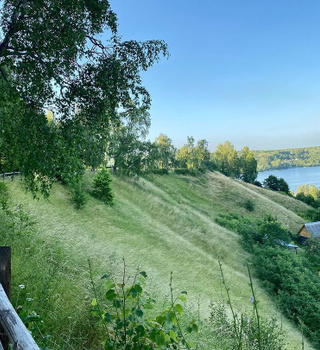
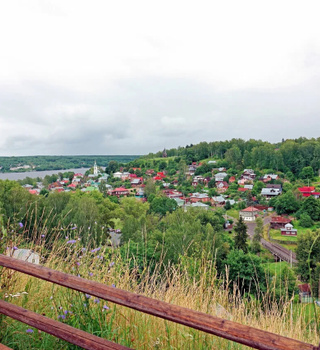
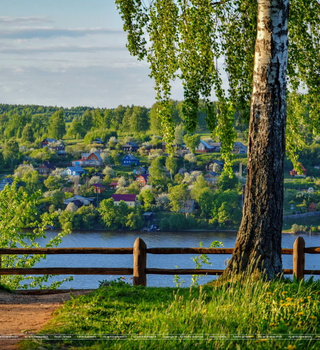
Interestingly, unlike other cities, Plyos did not have a fire tower. This was due to the terrain: the hilly landscape made it impossible to see the entire city from one point, and the role of a "fire tower" was played by Cathedral Hill, the highest point in the city. Fires were usually detected by the ringing of the alarm bell from the nearest church, which was a common practice of the time.
Architectural Features
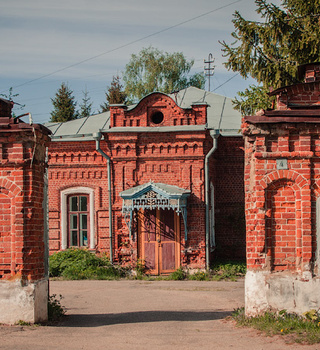
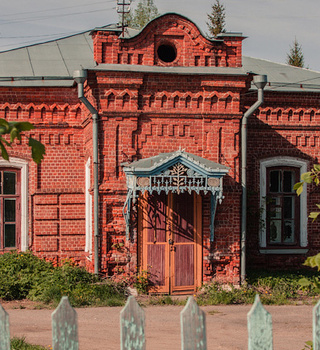
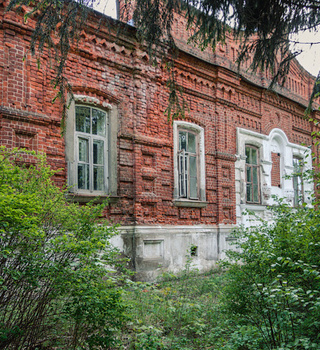
The building is an interesting example of eclectic style with elements of classicism and "brick style." It is rectangular in plan, with a hipped roof, and adorned with complex architectural elements. The facade of the building is distinguished by window and door openings with arched lintels, emphasized by protruding brickwork, corner and inter-window pilasters with horizontal rustication, as well as an inter-floor belt and large dentils. All of this gives the building a special expressiveness and underscores its status as an important civic structure.