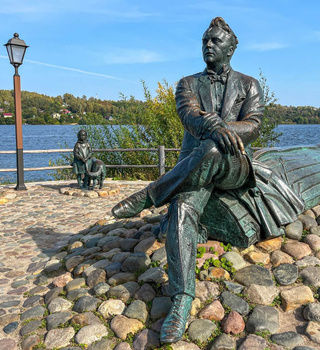
The Great Patriotic War, which began on June 22, 1941, became one of the most tragic and large-scale events of the 20th century, affecting every family in the USSR. Even the small rear town of Plyos was not spared from this great ordeal. Before the war, Plyos was inhabited by about two thousand people. However, almost all men of conscription age went to the front, leaving their homes and families in difficult conditions. Among them were not only workers and peasants but also young people who had just graduated from school. The civilian population of the city anxiously followed the developments on the front as German troops rapidly advanced deep into the USSR territory.
A tip before your trip to Plyos
Subscribe to the «Plyos Walks» channel on social media — we share useful posts to help you prepare for your trip to Plyos!
Beautiful photos and videos, event announcements, interesting places, discounts and promotions, unique routes, and tips from locals!

War Heroes from Plyos
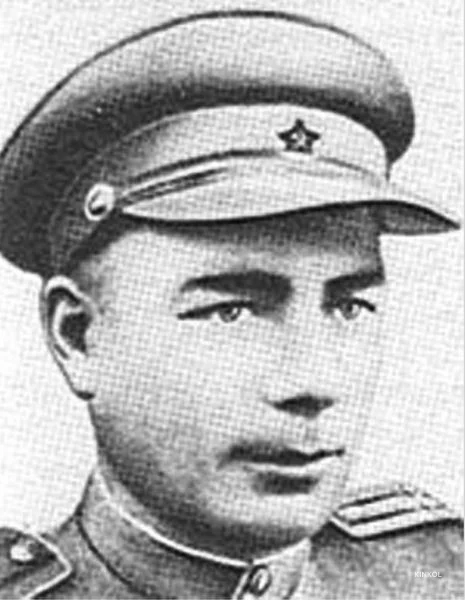
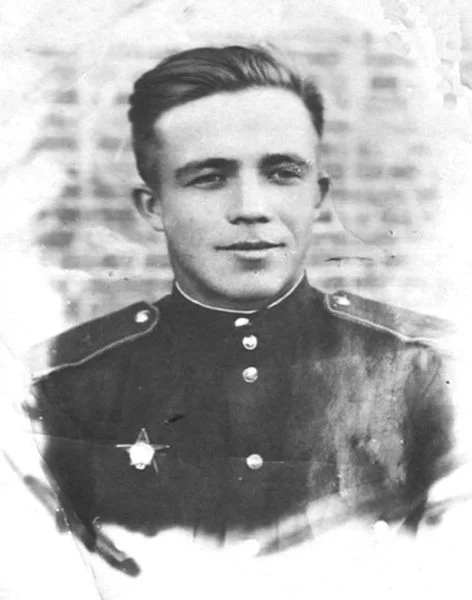
Plyos is proud of its heroes, among whom two individuals stand out, having been awarded the title of Hero of the Soviet Union.
Mikhail Dmitrievich Kornilov was a ground-attack pilot commanding a squadron of Il-2 aircraft. He had 120 successful sorties on the fronts of the North Caucasus, Kerch, Sevastopol, and other strategically important directions. For his merits, Mikhail Kornilov was awarded two Orders of the Red Banner, two Orders of the Red Star, and two Orders of Alexander Nevsky. His heroism and selflessness were recognized posthumously, and on August 8, 1945, Mikhail Kornilov was awarded the title of Hero of the Soviet Union.
Oleg Ioshilievich Kokushkin was a political officer and commander of an airborne regiment. In the battles for Stalingrad and during the advance on the Dnieper, he demonstrated exceptional courage and strategic skill. In September 1943, Oleg Kokushkin died, and he was posthumously awarded the title of Hero of the Soviet Union.
Plyos During the War
With the onset of the war, life in Plyos changed dramatically. The city found itself deep in the rear, but this did not mean its residents were free from hardships. The main tasks facing the local authorities included accommodating evacuees, supplying the front and the city with food and fuel.
By the end of 1941, Plyos had become a temporary home for 2,000 evacuees, including residents from Moscow, Leningrad, and other western regions of the country. This significantly increased the city's population and created additional challenges for the local infrastructure. Evacuees were housed in private homes, crowded communal apartments, and dormitories.
With the start of the war, Plyos also became an important center for treating the wounded. Three evacuation hospitals were opened: Hospital No. 3096 with 550 beds, located in the buildings of the anti-tuberculosis sanatorium and the "Textile Worker" rest home; Hospital No. 5034 based in the "Medic" rest home and the "VTO" actors' house; and Hospital No. 4057 with 200 beds in Poroshino. These hospitals received wounded soldiers arriving from the front, including from the Moscow region, Vyazma, and the Kalinin Front. Nurses, orderlies, and doctors worked tirelessly to save the lives of the fighters.
In conditions of food shortages and essential goods, life in Plyos became extremely difficult. Windows of houses were covered and closed to protect against possible bombings. A rationing system for bread and other products was introduced in the city. Due to the lack of electricity and fuel, people used kerosene lamps and lye for washing. Local residents were forced to gather firewood and grow vegetables themselves, which became one of the few sources of food.
Sewing workshops and other local industries were restructured for military purposes. The "Bolshevik" sewing cooperative and the disabled cooperative began sewing military uniforms, camouflage coats, padded jackets, and hospital linens. All products were directed to the needs of the front.
Post-War Plyos
After the war ended, Plyos, like many other cities, faced the difficult task of rebuilding. Many residents of this city gave their lives for the great victory. The "Book of Memory" of the Ivanovo region lists 223 people who left Plyos for the front and never returned, 88 of whom went missing.
Nevertheless, despite all the difficulties, Plyos not only recovered but also continued to develop. In the post-war years, the city experienced a period of reconstruction and growth. New houses were built, and the supply of food and essential goods improved. Plyos actively restored its cultural and social structures, giving hope for a bright future.
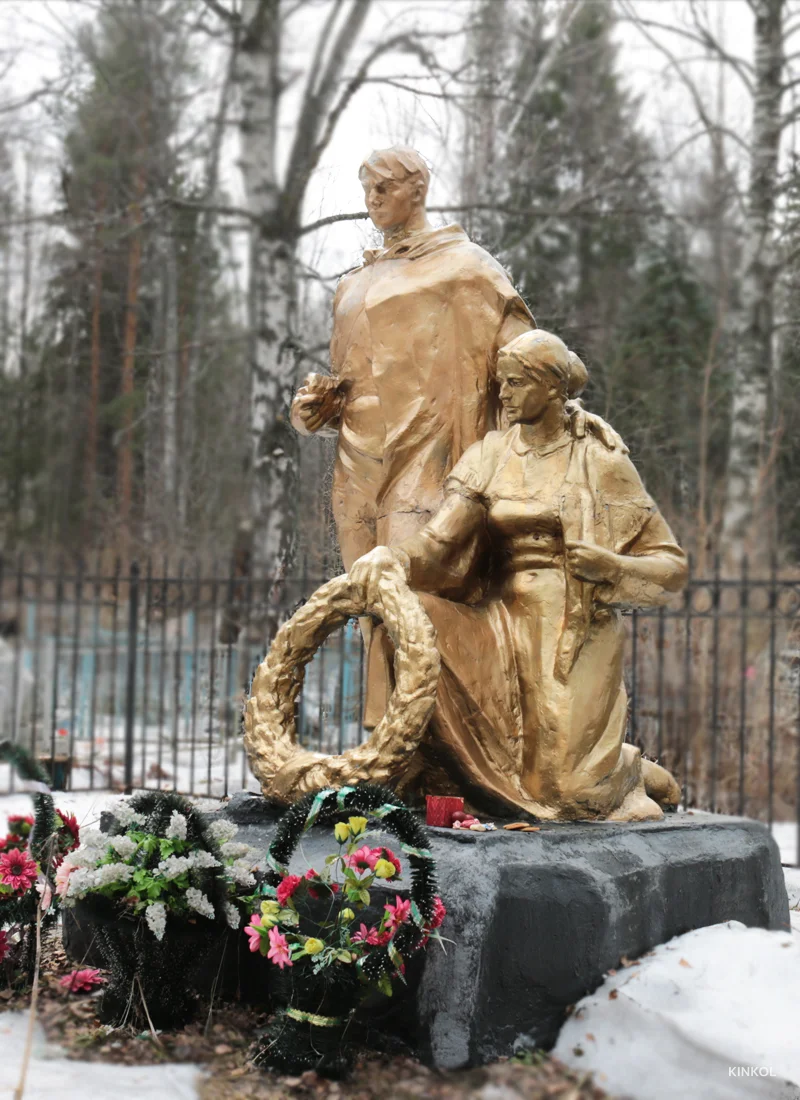
In memory of the heroic residents of Plyos, a memorial was opened at the Transfiguration Cemetery, where monuments and obelisks were erected in honor of those who gave their lives for the Motherland. These monuments remind us of the courage and resilience shown during the war years and serve as a symbol of gratitude for the indescribable sacrifice made by the city's heroes and workers.
Memorials to Fallen Soldiers
In May 1950, in honor of the fifth anniversary of Victory, a memorial was opened at the Plyos Transfiguration Cemetery—a pyramidal obelisk with a star on top, symbolizing the resilience and courage of soldiers. It was erected in memory of 116 soldiers who died in Plyos hospitals. In 1975, on the 30th anniversary of Victory, the memorial at the Brotherhood Cemetery was supplemented with the "Grieving Mother" monument at the central entrance and the sculptural group "Soldier and Woman Sending Her Son to the Front" deeper in the cemetery. These additions immortalize the memory of Plyos residents who fought for the Motherland, as a sign of gratitude for their courage and feats.
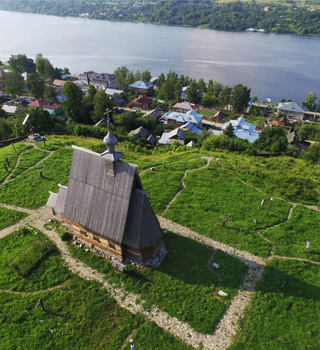
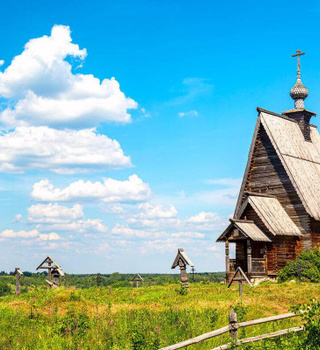
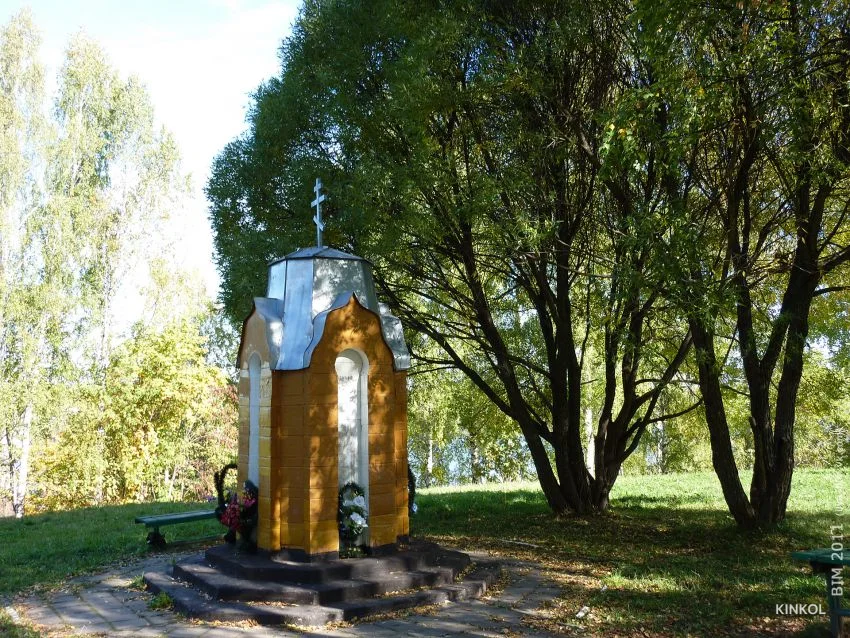
On Resurrection Hill in Plyos, a monument was erected in memory of the city's residents who died in the Great Patriotic War. This monument was a chapel with an Orthodox cross on top, with the names of the fallen Plyos residents inscribed in niches. However, in 2020, after restoration, the cross was replaced. Around the memorial, a full-fledged recreation area with benches and paths was created, providing residents with a convenient place to pay respects and relax.
Other sights in Plyos
-
The Calling Card of Plyos — One of the City's Most Iconic Places with a Height of 55 Meters Above the Volga
-
The Main Street of Plyos — a Three-Kilometer Embankment with Historic Architecture and Cozy Restaurants
-
One of the Most Picturesque Places in Plyos with Bird's Eye Views of the City
-
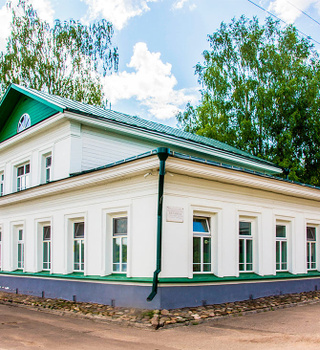
House-Museum of the Great Master of Russian Landscapefrom 250 ₽Isaac Levitan Memorial House-Museumper person
-
Church "Over Eternal Rest" from Levitan's paintings
-
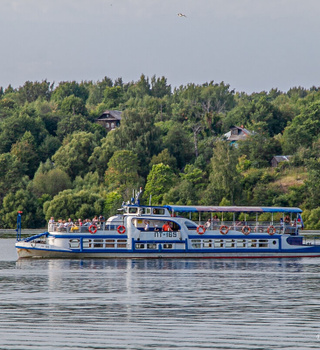
An essential part of the tourist programfrom 600 ₽River Cruiseper person
-
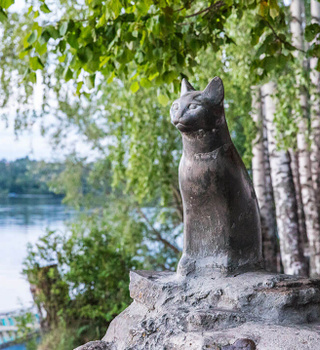
Monument to a cat with a big soul and a brave heart
-
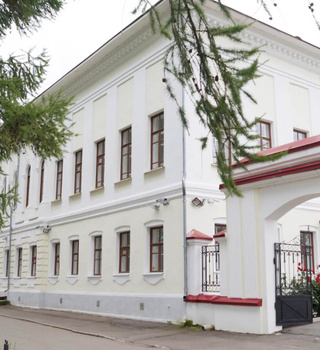
The only landscape museum in Russiafrom 200 ₽Landscape Museumper person
-
Memory of the great bass