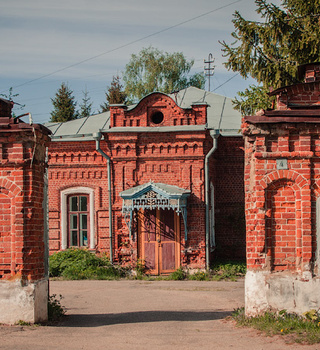
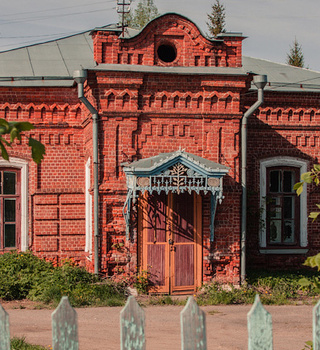
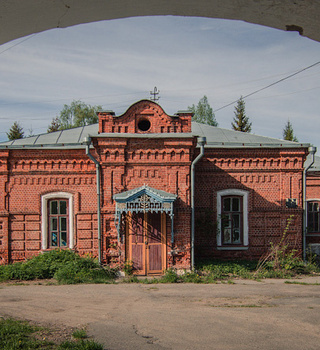
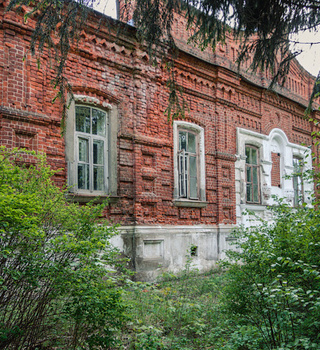
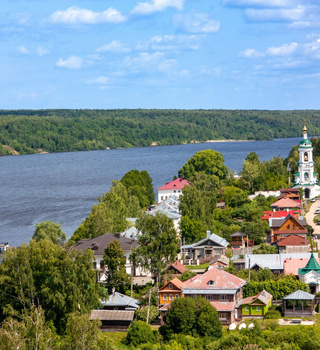
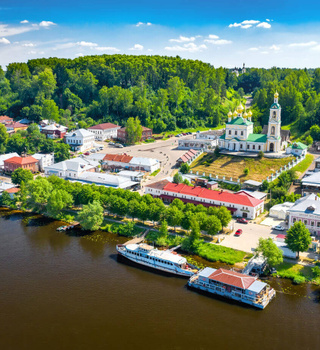
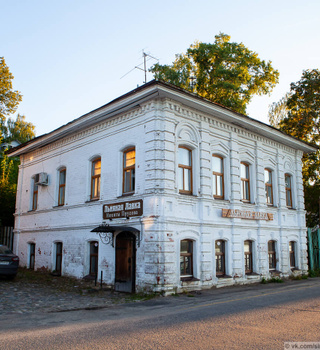
Plyos is renowned for its ancient architecture and cozy houses with carved window frames. These intricate decorations not only add a special charm to the facades but also carry deep meaning, reflecting folk traditions and beliefs.
History of Window Frames
Window frames appeared in Russian architecture as early as the 17th century. Initially, they served a practical function—covering the joints between the window frame and the log cabin, protecting the house from cold and drafts. However, gradually, the simple wooden plank turned into a work of art.
The carved patterns not only adorned the houses but also had symbolic significance. It was believed that certain motifs protected the home from evil spirits, attracted luck and prosperity. The tradition of wood carving especially flourished in the second half of the 19th century, but unfortunately, very few of such old houses have survived.
Symbolism of Window Frames
Each pattern on the window frames carries a specific meaning. In Plyos, the following motifs are traditionally depicted:
- Crin-sprout – a plant ornament symbolizing new life and fertility. It is present on most window frames.
- Sun – a sign of prosperity and abundance. It can be depicted as a circle, a diamond with rays, or stylized solar disks.
- Water – a symbol of purification and abundance, often represented in the form of drops.
- Earth signs – diamonds with dots inside or intersecting stripes symbolizing a plowed field.
- Birds – their depiction is especially common in Plyos, as the area surrounding the city bears the ancient name Chuvil, meaning "bird kingdom."