Subscribe to the «Plyos Walks» channel on social media — we share useful posts to help you prepare for your trip to Plyos!
Beautiful photos and videos, event announcements, interesting places, discounts and promotions, unique routes, and tips from locals!
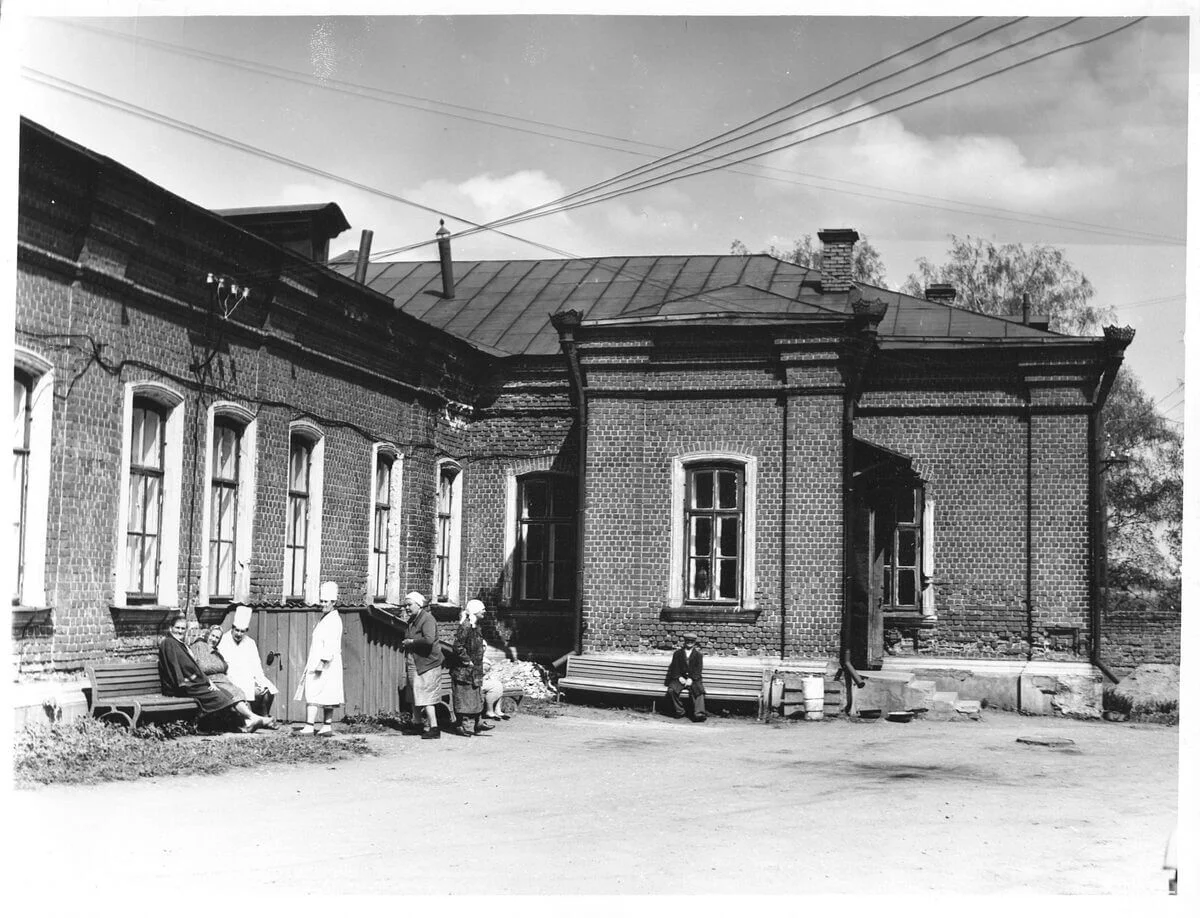
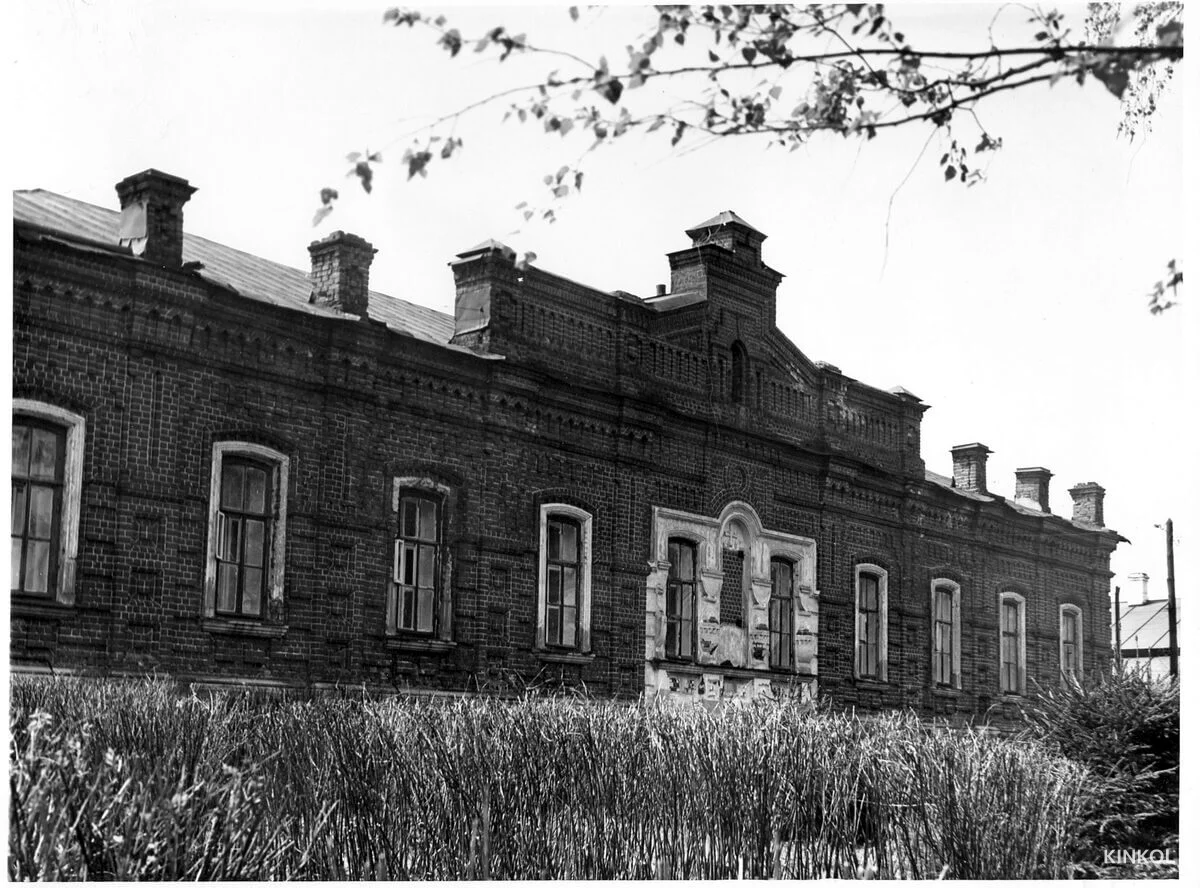
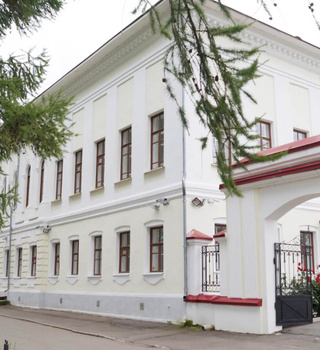
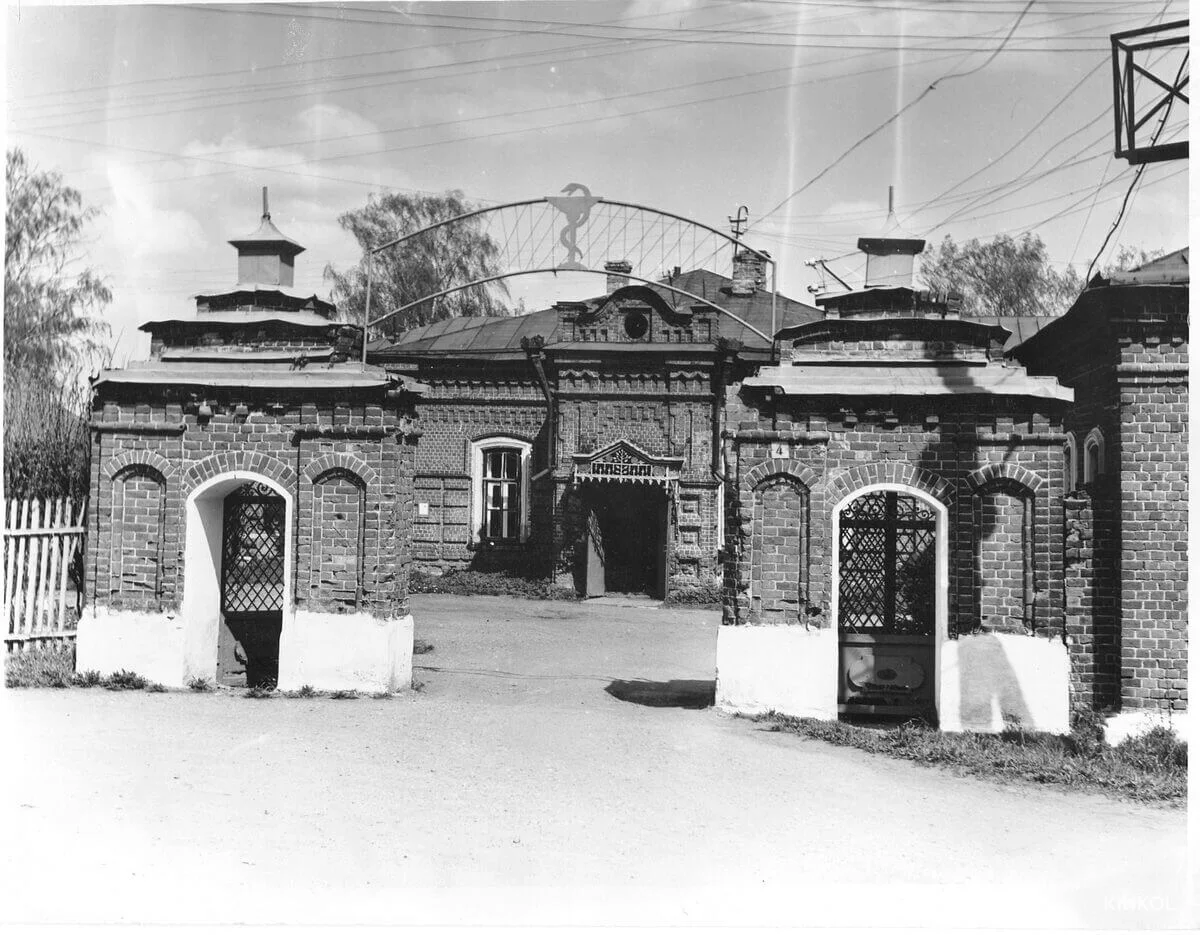
The ensemble of the city hospital in Plyos, built in 1898, holds an important place in the history and culture of the city. This architectural complex, executed in brick style with elements of Russian style, is not only a monument of architecture but also a testament to the philanthropy and medical enlightenment of the late 19th century. Its history is closely linked with the names of such outstanding individuals as Dr. Fyodor Petrovich Chekalov and industrialist Grigory Klementyevich Gorbunov.
Fyodor Petrovich Chekalov, the first doctor of the then zemstvo hospital in Plyos, played a key role in the creation of the city hospital. A graduate of the medical faculty of Moscow University, Chekalov arrived in Plyos in 1894, where he began his work as a zemstvo doctor. At that time, medical facilities in the city were extremely limited: the doctor's office was small, and the medical instruments were modest and outdated. However, the young doctor understood the necessity of creating a full-fledged medical institution that could provide assistance not only to the residents of Plyos but also to the surrounding villages.
The inability to finance the construction of the hospital from the local budget prompted Chekalov to seek help from Grigory Klementyevich Gorbunov, the owner of a factory in Sereda and a well-known philanthropist, who readily responded to the request and funded the construction of the hospital.
The hospital was built in record time, within a year, and by December 1898, it began receiving its first patients. It was designed for 22 beds and included various departments, such as women's, men's, maternity, and infectious, as well as a pharmacy and laboratory. Thanks to Fyodor Petrovich's efforts, the hospital was well-equipped for its time. This, along with the construction, required an expenditure of 67,140 rubles. But Grigory Klementyevich Gorbunov took on not only the equipment but also the ongoing maintenance of the hospital. Treatment at the hospital was free for everyone, which was a great blessing for the residents of Plyos and the surrounding villages.
The hospital complex was executed in brick style with elements of Russian style, giving it a special charm. It includes the main one-story building, a two-story medical building, the doctor's house, as well as several auxiliary structures, such as a guardhouse, kitchen, chapel-mortuary, and utility buildings. All the buildings are harmoniously integrated into the natural landscape, emphasizing their significance and creating a sense of unity in the architectural ensemble.
Fyodor Petrovich Chekalov was not just a doctor but a true devotee of his craft. His activities were not limited to medical practice. He actively participated in the public life of Plyos, was the initiator of the Resurrection Society of Sobriety, and contributed to the development of the local theater and library. Together with his wife, he participated in performances held in the city, which testifies to his deep involvement in the cultural life of the city.
Chekalov's medical practice was challenging: the number of patients he treated was in the thousands. For example, in 1905-1906, he treated over 28,000 people, which speaks to his high demand. Despite the enormous workload, Chekalov remained faithful to his calling and did not switch to private practice, where he could have earned significantly more. His patients knew they could turn to him for help at any time of the day, and they always received attentive and caring treatment.
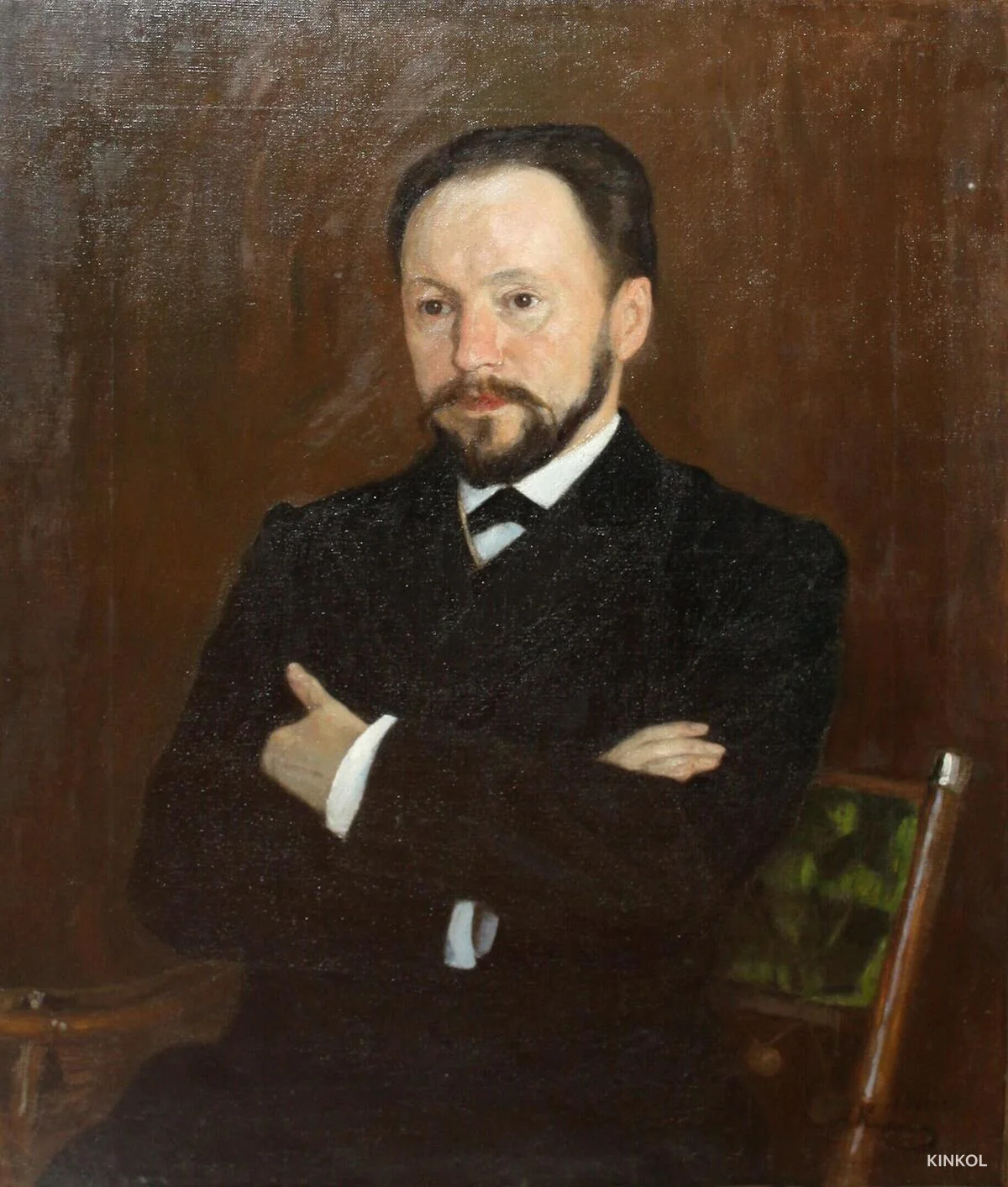
In gratitude for 15 years of tireless service to the residents of Plyos, a waist-length portrait of Fyodor Petrovich was commissioned from the famous artist A.M. Korin. This portrait, which was later carefully restored, is now kept in the collections of the Plyos Museum-Reserve, preserving the memory of the outstanding doctor. Fyodor Petrovich worked in Plyos for 20 years, after which, in 1914, he was forced to leave the city and move to Kostroma. The time of war had come, and his knowledge and experience were needed in a military hospital, where he continued his noble service to people.
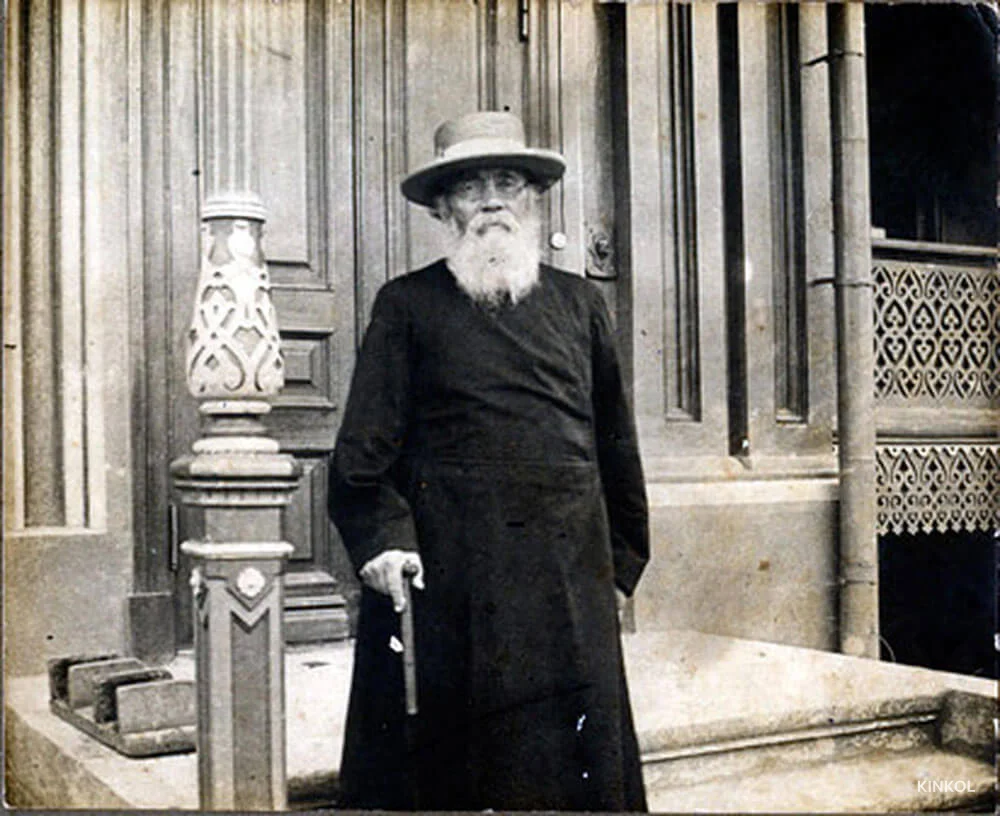
Grigory Klementyevich Gorbunov, who funded the construction of the hospital, was not only a successful entrepreneur but also an outstanding philanthropist. His contribution to the development of Plyos and neighboring towns is hard to overestimate. Besides the hospital, he financed the construction of a water supply system, stone bridges, as well as the restoration of cobblestone pavements and bridges over ravines.
One of Gorbunov's most important contributions was the creation of a printing house at the Preobrazhensky Cemetery in Moscow, where ancient books and liturgical texts were published. This printing house became a center for the preservation of ancient Russian culture and religious heritage, which is especially valuable in the context of the loss of many cultural assets.
Today, the hospital is closed and abandoned. Patients are received in the neighboring clinic building. The question of its future remains open and concerns many residents of Plyos. The building, which holds memories of great doctors and philanthropists, could be used as a historical and cultural site.
The Plyos local history society has proposed raising funds to install a memorial plaque on the hospital gates in memory of its founders and history. There is also a proposal to erect a monument to Grigory Klementyevich Gorbunov, who made a significant contribution to the development of the city and left a bright mark in its history.
The ensemble of the city hospital in Plyos is not just an architectural object. It is a symbol of selfless service to people, mercy, and cultural enlightenment. It reminds us of those eternal values that remain relevant even after centuries. Preserving this complex as a monument of history and culture will be a worthy continuation of the traditions laid down by its founders and an important step in preserving the cultural heritage of Plyos.