Isaac Ilyich Levitan: Master of Russian Landscape
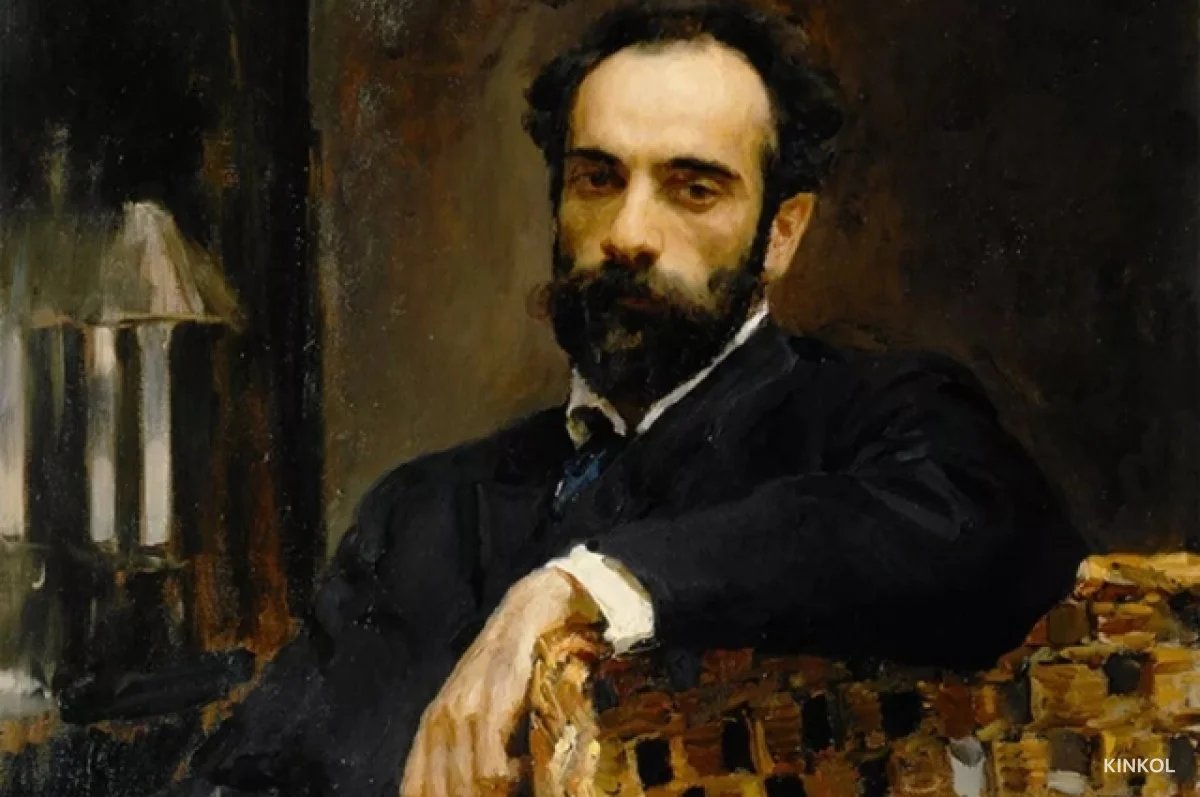
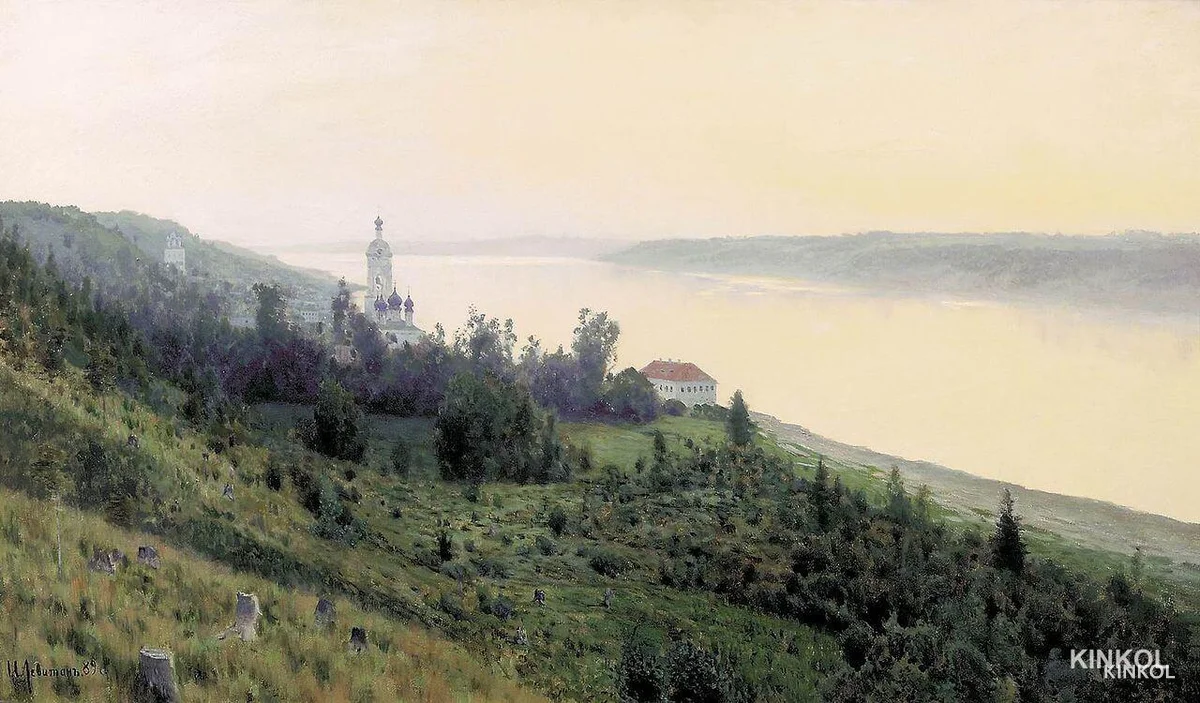
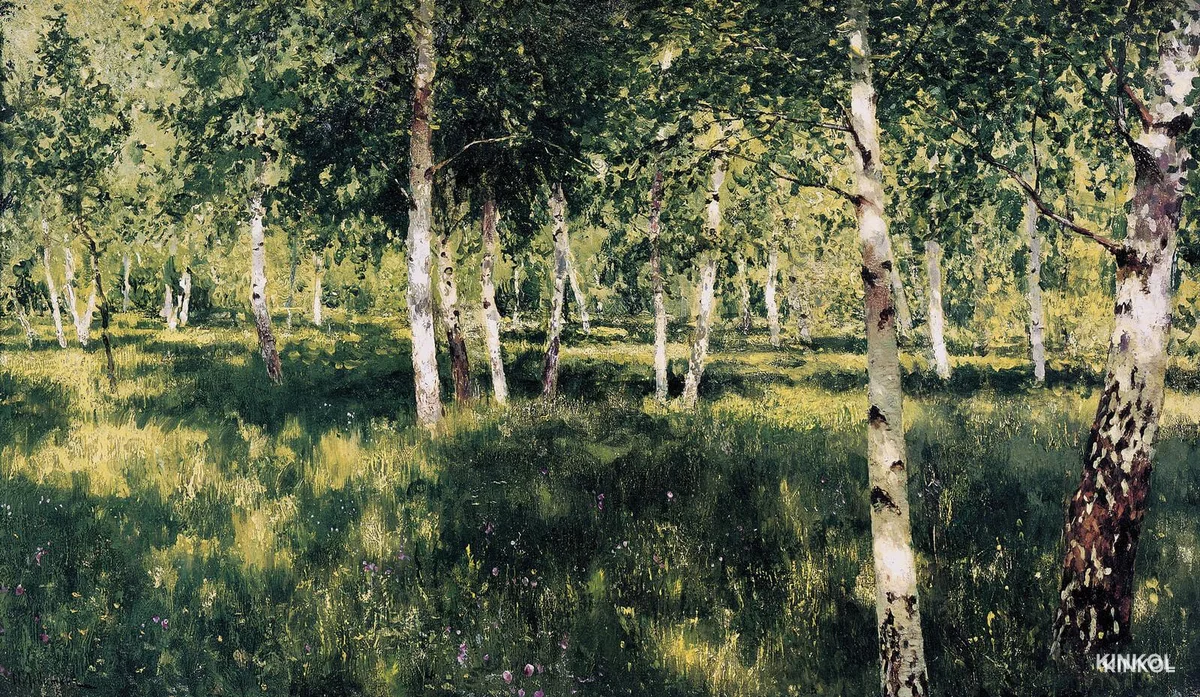
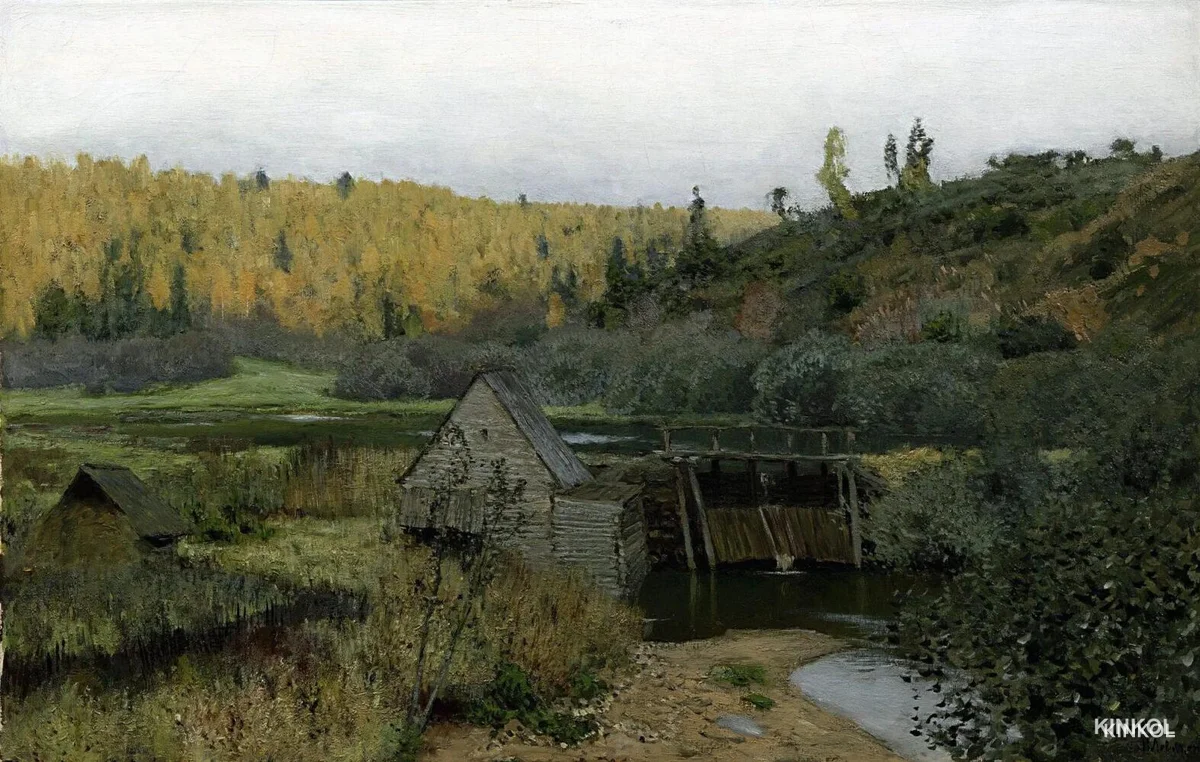
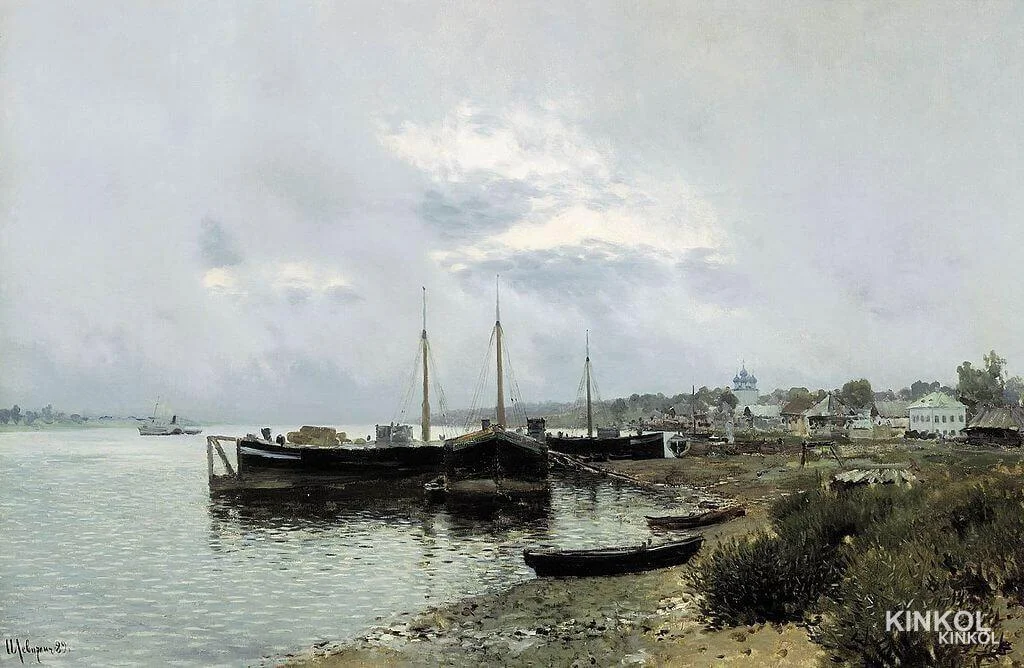
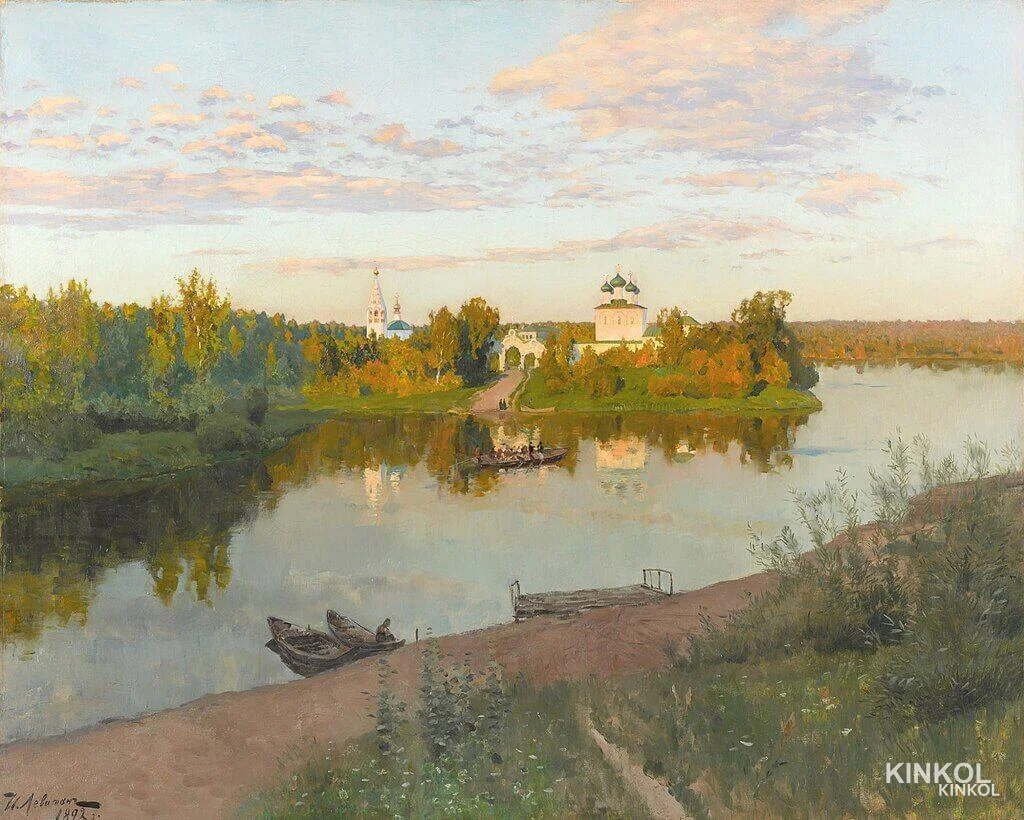
Isaac Ilyich Levitan is considered an outstanding Russian landscape painter due to his unique ability to convey the emotional depth and poetry of Russian nature. His works, filled with subtle lyricism and a sense of space, are vivid examples of Russian landscape painting. Levitan, a student of Alexei Savrasov and Vasily Polenov, managed to elevate the genre of landscape painting to a new level, infusing his paintings with not only the visible features of nature but also inner experiences, thus creating the unique "Levitan landscape."
Levitan was born on August 30, 1860, in the town of Kibarty in the Kovno Governorate (now part of Lithuania). In 1873, he entered the Moscow School of Painting, Sculpture, and Architecture, where he studied under masters such as A.K. Savrasov and V.D. Polenov. His early works were distinguished by attention to detail and accurate reproduction of nature, but even then, Levitan sought to convey the mood and state of nature. He drew inspiration from his own travels across Russia, especially to the Volga and Crimea, where he painted numerous studies and paintings reflecting his deep connection to his native land. Levitan's technique was characterized by a free and confident brushstroke, which gave his works liveliness and immediacy. He masterfully used light and color to convey various states of nature, whether it be morning, day, or evening, as well as weather changes. His works demonstrate not only high skill but also a deep understanding of the human soul in harmony with nature. Levitan managed to create an image of Russia that was close and understandable to everyone, celebrating the beauty and grandeur of its landscapes.