Isaac Levitan in Plyos

The story of Isaac Levitan's stay in Plyos is one of the most important periods in his work. Here, the artist created about 200 sketches and paintings. Three summers on the Volga became a time of blossoming talent, strengthening personal connections, and deep love for Russian nature.
06.04.2025

Early Years and the Beginning of the Creative Path

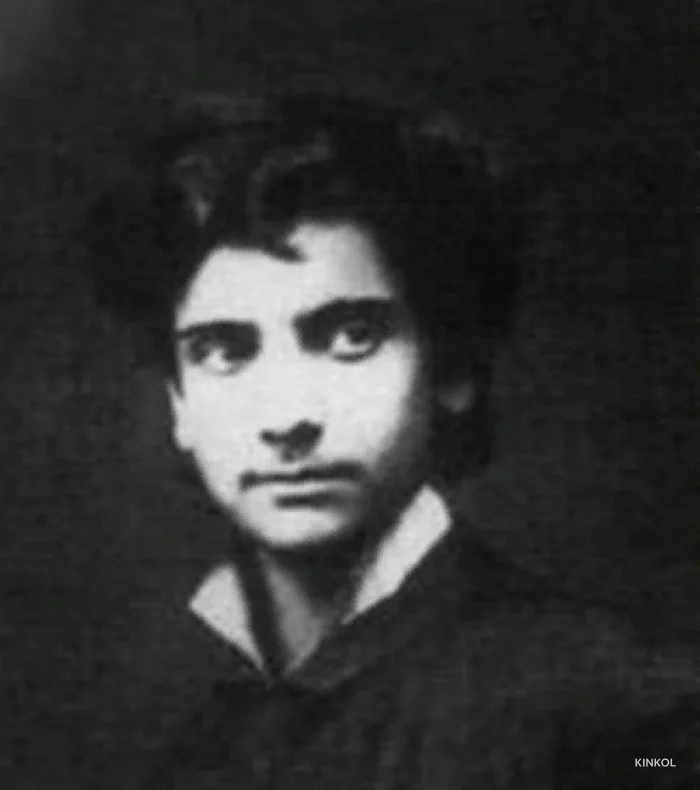
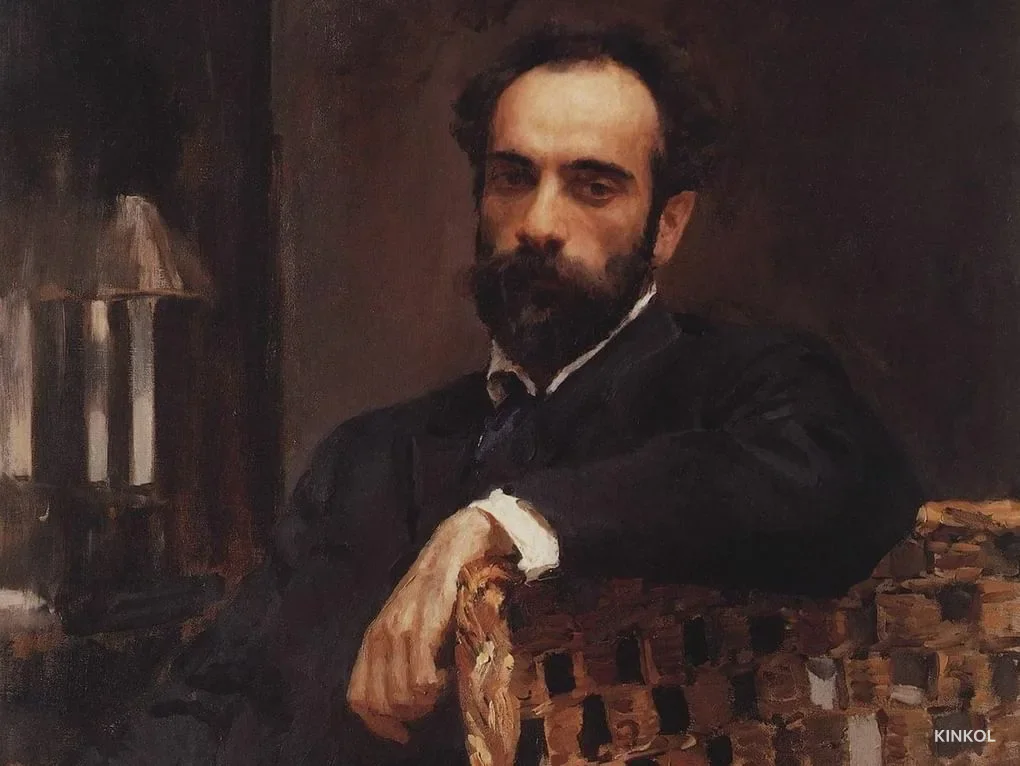
Isaac Ilyich Levitan was born on August 18 (30), 1860, in a small Lithuanian settlement near the Kibarty railway station. He grew up in poverty, in the family of a minor official, and faced life's difficulties early on. In 1873, at the age of thirteen, he entered the Moscow School of Painting, Sculpture, and Architecture, where his older brother Abel was already studying.

At the school, Levitan consistently went through various stages of training: from copying samples and plaster casts to working from nature. In 1876, Levitan moved to the landscape class, led by the outstanding Russian artist Alexei Kondratyevich Savrasov. However, in the early 1880s, Savrasov was going through a personal crisis, exacerbated by an addiction to alcohol. This affected his work: he began to miss classes and was eventually dismissed from teaching. He was replaced by another outstanding landscape master, Vasily Dmitrievich Polenov, who also had a significant influence on the young Levitan. Polenov not only taught him the basics of plein air painting but also became his close friend and mentor for many years.

During this time, Levitan experienced serious financial difficulties, and he was unable to complete his studies with a diploma, but he actively worked and improved. In 1884, the artist worked in Savvinskaya Sloboda near Zvenigorod, and in the spring of the following year, 1885, he settled in the village of Maksimovka, near the Babkino estate, where the Chekhov family was vacationing. It was there that he met Anton Pavlovich Chekhov, with whom he shared a close friendship and creative rivalry throughout his life.

Levitan's financial situation gradually improved, but his difficult childhood, constant hardships, and intense work took a toll on his health. His heart condition worsened sharply. Despite this, in 1886, he made an important trip to Crimea, where he was able to improve his condition. Upon returning, he organized an exhibition where he presented about fifty of his landscapes, receiving his first recognition from the public and critics.

Dream of the Volga

By the mid-1880s, Isaac Ilyich Levitan had already established himself as a talented landscape painter. Savrasov, the author of poignant Volga landscapes, awakened in the young artist the dream of seeing the great Russian river—the Volga—with his own eyes. Levitan cherished this dream for a long time: as early as the early 1880s, he planned to go to the Volga, but the trip did not take place due to his sister's illness.

By the late 1880s, Levitan's financial situation had somewhat improved, although his health remained fragile. Finally, in the spring of 1887, Levitan made his first attempt to fulfill his long-standing desire: he set off for the Volga, hoping to find the inspiration shared with him in the stories of his teacher Savrasov and other artists.

The first encounter with the Volga was disappointing. The weather was cold, overcast, lifeless. The wide river appeared to the artist dull and dreary—instead of the majestic picture of the spring flood he had expected. In a letter to his friend Anton Chekhov, Levitan complained about the banks he saw: it seemed only "sickly bushes" and lifeless cliffs surrounded him. The Volga that year seemed to him "gloomy and dead." This disappointment, however, did not break the artist's resolve—on the contrary, it made him even more determined to plan a new trip, but at a more favorable time. Levitan decided he would return to the Volga the following summer to see its beauty in a different setting.

Spring 1888: Arrival in Plyos

Keeping his promise to himself, in the spring of 1888, Levitan set off again for the Volga—this time in the company of close friends. Accompanying him on the journey were animalist artist Alexey Stepanov and Sofia Petrovna Kuvshinnikova, Levitan's student and friend. They traveled by train to Ryazan and then boarded a steamboat.

Initially, the company planned to stop in the village of Chulkovo on the Oka River, but the locals treated the artists with suspicion and even hostility, believing they had not come with good intentions. Experiencing constant attention, distrust, and even fear from the local population, Levitan and his friends decided to leave this place.

After the unsuccessful attempt to settle in Chulkovo, the artists continued their journey down the Oka to Nizhny Novgorod and then ascended the Volga in search of a suitable place for work and rest. The long journey along the river unexpectedly led them to the small Volga town of Plyos. This quiet provincial corner, lost among the hills on the banks of the great river, immediately captivated the travelers. Plyos made a deep impression on Levitan and his friends at first sight. Later, Kuvshinnikova recalled how the three of them were literally enchanted by the view from the river: narrow streets running down to the water, the greenery of the hills, and above it all—a small ancient church on the top of a hill. This ancient wooden Peter and Paul Church by the Volga especially caught the artists' attention. The town seemed to them "a lovely corner, surprisingly beautiful, poetic, and quiet." Unlike the crowded piers of large Volga cities, here reigned the peace and provincial charm of the past century.

Initially, Levitan and his companions did not plan a long stop in Plyos, but the beauty of this place was so alluring that they decided to stay "for a while." As it turned out, they stayed for a long time: Plyos became Levitan's main place of work for the entire summer of 1888, and in the following two years, he invariably returned here. Thus began the famous Plyos period of Isaac Levitan's life and creativity, lasting three summers—from 1888 to 1890.

Life of Artists in Plyos

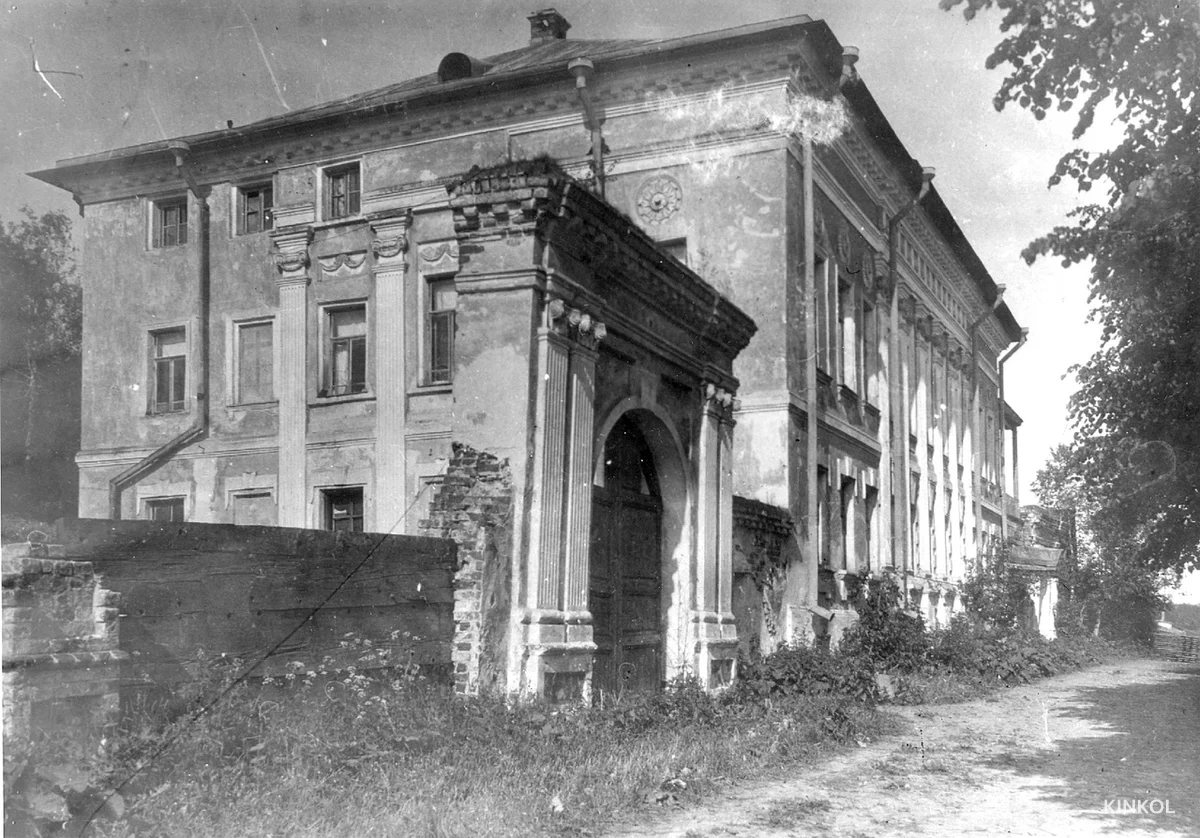
Settling in Plyos in 1888, Levitan, Stepanov, and Kuvshinnikova began to establish their life in the new place. The town was small, and the choice of housing was limited. The artists quickly found themselves a modest apartment in Zarechye (the settlement on the opposite bank of the small Shokhonka River, which flows into the Volga). Their accommodation was the mezzanine (attic floor) of the house of a local merchant, Solodovnikov. This not-so-wealthy merchant ran a shop on the lower, first floor of his house, lived with his family on the second, and rented out the attic to visitors. The two small rooms of the mezzanine became the temporary home of Levitan and his friends.

The living conditions were more than simple. The artists organized the sparse furnishings themselves, showing ingenuity: they laid hay on the floor, made something like beds by throwing carpets on top; found a couple of tables and a few benches. Thus, the improvised life acquired the features of a real "bivouac" of traveling artists.

The arrival of metropolitan artists in the quiet provincial Plyos was an event for the townspeople. Initially, the locals treated the unusual guests with cautious curiosity—after all, they had never seen people of such a lifestyle here before. On the market square, the main center of news, the newcomers were whispered about: who they were, what they did, what they ate, where they went. Some Plyos residents even followed the artists closely, trying to understand what strange things they were doing in nature with canvases and paints. Similar things had happened in other villages along the way: Kuvshinnikova recalled how in one village on the way to the Volga, the residents had never seen artists with easels and were initially even frightened, thinking the visitors might be up to no good, "copying" their houses and fields. In Plyos, the initial curiosity soon subsided. Nothing bad happened from the quiet artists, and the townspeople gradually got used to them. Moreover, by mid-summer, communication improved—the Plyos residents began to treat Levitan and his friends with goodwill, and some even with pride: after all, they now had their own artists living among them. Levitan, Kuvshinnikova, and Stepanov also "got used" to the local customs, found common ground with the surroundings, and lived peacefully and measuredly.

The everyday life of the Plyos artists was happily arranged. "We lived surprisingly well," Sofia Kuvshinnikova later recalled of this time. From early morning until sunset, Levitan and his companions spent their days in nature, "wandering along the shore and surroundings" in search of beautiful views and motifs. Wherever they went, they took their sketchbooks and drawing supplies with them. The townspeople could see them at work here and there: on the hills, by the water, at the edges of the forests—everywhere appeared the characteristic large umbrellas of white cloth, with which the artists covered themselves and their studies from the scorching sun. These umbrellas, washed with a special blue to soften the too-bright light, were also new to the locals and caused a lot of talk and jokes. Nevertheless, over time, even the strange devices ceased to surprise the Plyos residents: they understood that the guests were seriously passionate about their work—painting.

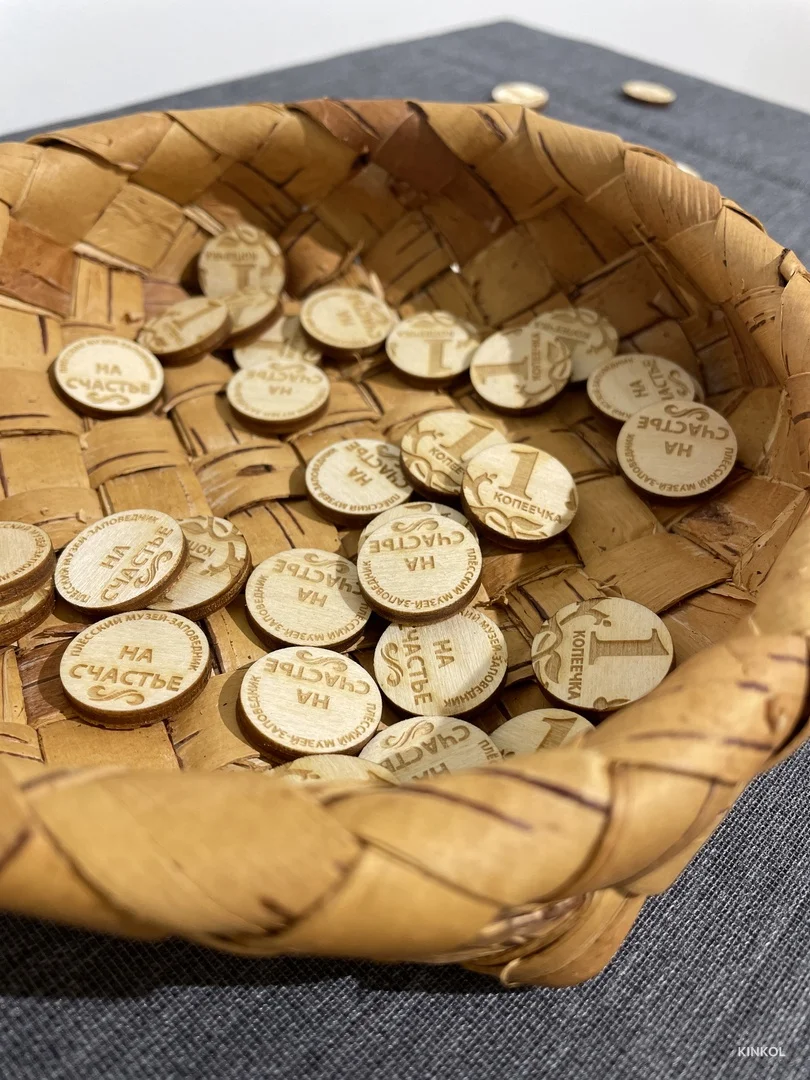
Among the amusing episodes of that time, a case witnessed by the entire surrounding village is particularly noteworthy. One day, Levitan settled with his study by the road, sitting in the shade of a white umbrella, and was passionately painting a landscape. It was a holiday, and women were returning home from church. Many stopped curiously to watch the artist: they would stand, look, and then move on. But then a very old, almost blind grandmother approached Levitan. She looked at the person sitting under the umbrella with a brush for a long time, then unexpectedly crossed herself, took out a copper penny from her handkerchief, and carefully placed it in Levitan's paint box. After that, the old woman quietly left, continuing to whisper prayers. What she thought remained a mystery: perhaps she decided that the artist was painting some kind of shrine or icon directly from nature, or maybe she took him for a wandering blessed one. Levitan was deeply touched and kept that coin as a curious and heartfelt souvenir. This case is indicative: the peasants were not yet accustomed to painters in the open air, did not know how to react, and sometimes perceived them through the prism of their own beliefs. But importantly, there was no negativity towards the artist—rather a reverent misunderstanding and kindness.

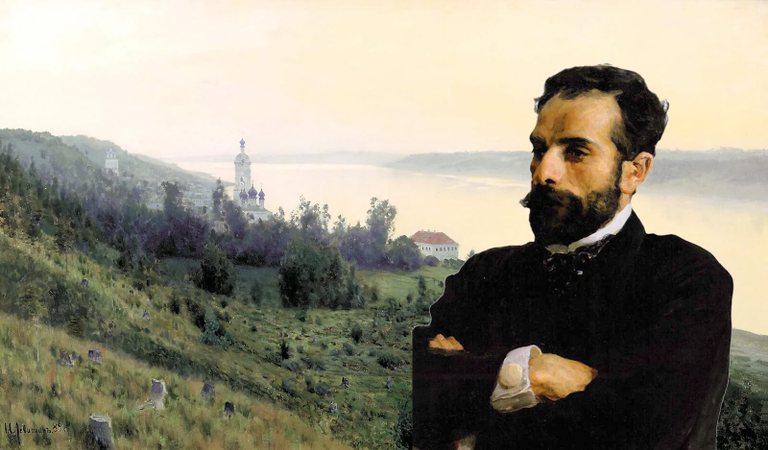
The calm way of life on the Volga had a beneficial effect on Levitan himself. In the hustle and bustle of Moscow and due to his ailments, he often fell into melancholy, but here in Plyos, the artist's mental balance noticeably recovered. Friends noted that Levitan stopped being despondent and was often in high spirits. His creativity also changed: in the Volga studies of 1888, there is an amazingly bright, harmonious mood. The mild climate of the central region, constant communication with nature, and the absence of everyday worries allowed the master to fully immerse himself in work and derive joy from it. The Plyos lifestyle – the silence, the beauty around, the measured days – became a kind of creative therapy for Levitan, restoring his zest for life after difficult years.

Artist Friends

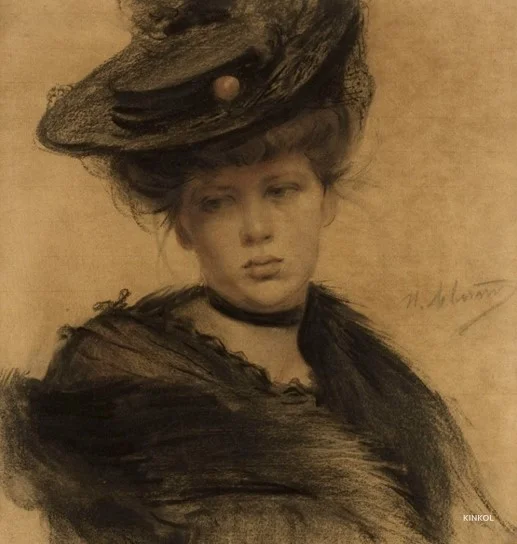
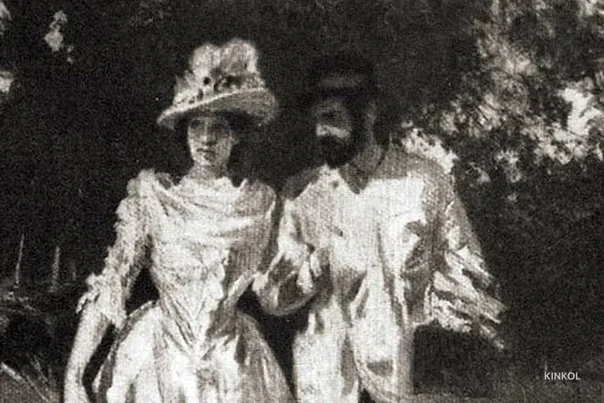
Sofia Petrovna Kuvshinnikova played a special role during the Plyos period—a close friend of Levitan and his faithful companion on many trips. By the time they met, Sofia Petrovna was already over 40 (she was born in 1847), married to Moscow doctor Dmitry Pavlovich Kuvshinnikov. Kuvshinnikova came from a well-off family (her father was a high-ranking official and landowner), received a good education, and possessed diverse talents. She played the piano excellently, drew quite well, and was generally drawn to art. After meeting Levitan in Moscow, Sofia Petrovna became seriously interested in painting and became his student. A strong friendship developed between them, which, according to contemporaries, also grew into deeper feelings. Together with Levitan, she went on studies almost every summer for ten years: before Plyos, they spent two seasons (1886 and 1887) near Moscow, in Savvinskaya Sloboda, then three significant years in Plyos (1888–1890), and later Sofia Petrovna accompanied the artist on other trips (to the Tver province, to Vladimir, and possibly abroad in 1890). For Levitan, who did not have his own family, the presence of such an understanding and selfless friend was a great support.

Kuvshinnikova was distinguished by her independent character and courage, which set her apart even against the backdrop of the relatively free morals of the artistic bohemia. She was not afraid of judgment and sideways glances. At that time, such behavior for a lady was practically unthinkable and was considered a challenge to social norms. However, Kuvshinnikova was not deterred: love for nature and free life in the open air was more important to her. At the same time, contemporaries noted that, possessing boldness in actions and judgments, Sofia Petrovna remained a well-mannered, tactful woman with gentle manners and modest speech. Her presence brought a special warmth and harmony to Levitan's company. It is not surprising that she was called Levitan's muse of those years.

Besides being an inspirer, Kuvshinnikova herself grew as an artist alongside Levitan. All the summer seasons spent shoulder to shoulder with the master were continuous practice and learning for her. Levitan generously shared his experience with her, instructed her in technique and coloristics. Sofia Petrovna achieved significant success in painting: her own works—landscapes and still lifes—were regularly exhibited at art exhibitions in Moscow and St. Petersburg. From 1887 to 1906, she participated in almost all exhibitions of the Moscow Society of Art Lovers, exhibited at some itinerant exhibitions, and even at the Academy of Arts. Thus, Kuvshinnikova was not just an accidental companion—she was a full-fledged participant in creativity, sharing with Levitan both the labor and the joy of artistic discoveries.

Aleksey Stepanov

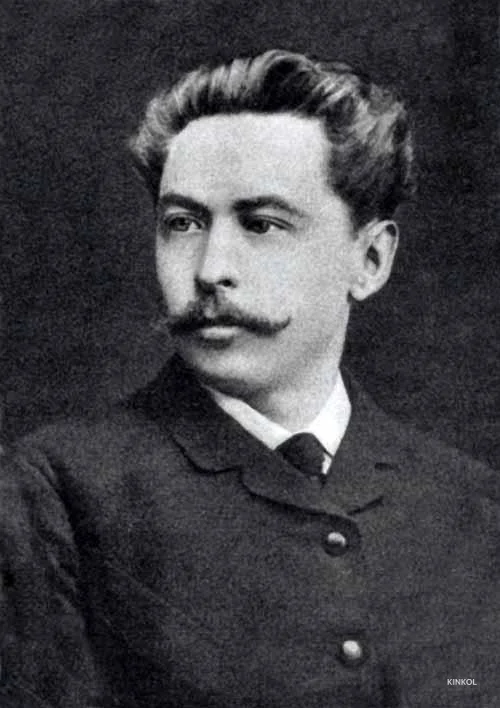
Alongside Sofya Petrovna, an important member of the "Plyos team" was Aleksey Stepanov. A contemporary of Levitan (he was about 30), Stepanov studied with him at the Moscow School of Painting and specialized in genre and animalistic painting. Like Levitan, he loved nature and hunting, which probably explains their friendship. Stepanov joined Levitan and Kuvshinnikova during their work in Savvinskaya Sloboda near Zvenigorod, and later in their Volga travels of 1888 and 1889. He spent the entire summer with them in Plyos – renting accommodation together, going out for plein air painting. Aleksey Stepanov brought liveliness and humor to the company; his observant nature and ability to notice characteristic scenes of village life also enriched the friends' impressions.

Such an original company composition – two young male artists and one middle-aged lady – could not go unnoticed by those around them. In the small town of Plyos, rumors and gossip quickly spread about the nature of the relationship between Levitan and Kuvshinnikova. However, neither the travelers themselves nor Sofya Petrovna seemed to be much concerned by these rumors. They remained outside conventions, dedicating themselves to their main pursuit – painting. Notably, Sofya Petrovna's husband, Dr. Kuvshinnikov, although serving in Moscow, was understanding of his wife's artistic passion. During one of the Plyos summers (according to some sources, in 1888, according to others – in 1889), Dmitry Pavlovich came to visit his wife. The appearance of the metropolitan doctor made an impression: he wore the uniform of the medical service, which the simple Plyos townsfolk mistook for a general's – and began to respectfully call the guest "general". Dr. Kuvshinnikov stayed in Plyos for a short time and, having ensured that Sofya was not in danger, returned to his duties. Apparently, he did not see a direct threat to their marriage in his wife's friendship with the artist or turned a blind eye to it for Sofya's happiness. In any case, the presence of an understanding companion and faithful friend in the person of Kuvshinnikova was an invaluable gift of fate for Levitan in those years.

Levitan's Creativity in Plyos

The Plyos period was extremely fruitful for Levitan. Over three summers (1888, 1889, and 1890), he created about two hundred studies, sketches, and paintings—a remarkable creative wealth considering his previous modest output. The Volga and its surroundings provided the artist with an abundance of new themes and subjects. Levitan painted literally everything around him: the wide expanses of the river, its calm flow under a gloomy sky, steep riverbanks, forests and fields around, views of the town of Plyos from high hills. Every day brought new impressions, and the artist strove to capture them on canvas, working outdoors from morning till evening. Later, art historians would call this series of works Levitan's "Volga cycle," and the master himself would gain fame as a singer of the Volga expanses.

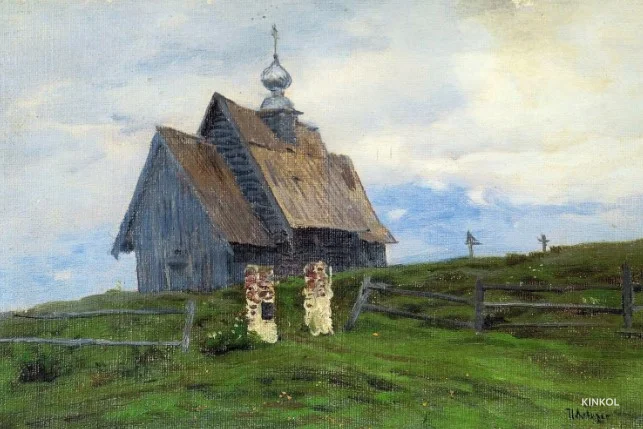
Already in the first Plyos season, in the summer of 1888, Levitan created several studies that later became known to the general public. One of his first works in Plyos was the depiction of the very ancient wooden church of Peter and Paul, standing on a high hill by the Volga. With this church, essentially the "calling card" of Plyos, the artist's acquaintance with the town began, and he dedicated his efforts to it. Levitan painted a small study where the light figure of the Peter and Paul Church is visible in the foreground, and below, in the distance, stretches a wide strip of the river and the opposite Trans-Volga bank. This study of the church against the backdrop of the Volga remarkably conveys the sense of the vastness of the Volga landscape and the coziness of the small temple above the water.

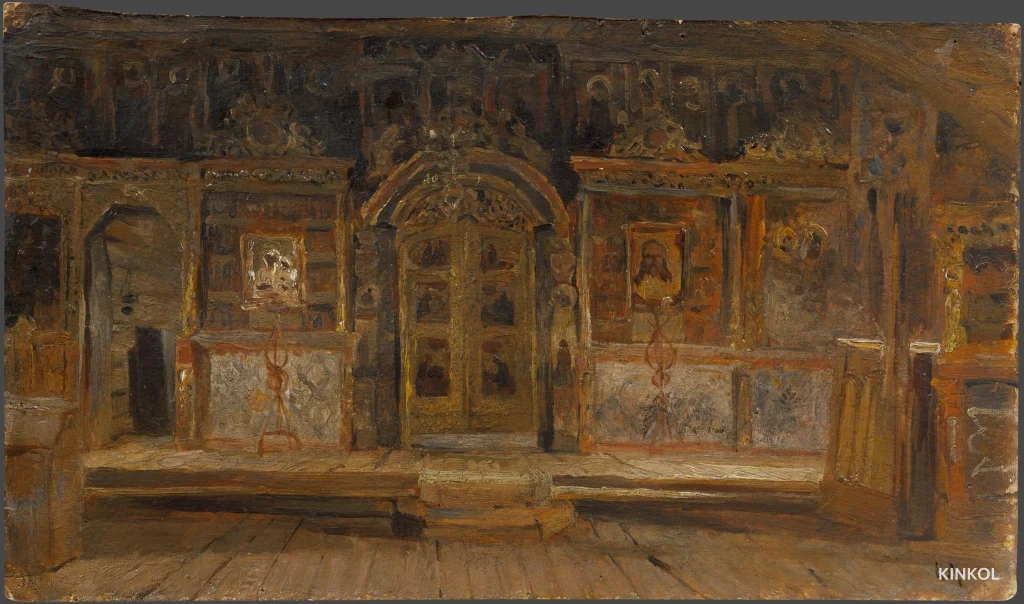
Interestingly, not only Levitan but also Sofia Kuvshinnikova was inspired by this subject. She painted a separate picture with the interior view of the Peter and Paul Church—significantly more detailed and large-scale than Levitan's study. The artists often worked side by side and even chose the same motifs, trying themselves in their embodiment. This was also the case with the church: besides the mentioned study with the exterior view, both completed works depicting the interior of the temple. Levitan created a small study "Inside the Peter and Paul Church in Plyos," and Kuvshinnikova—a finished painting "Interior of the Wooden Church of Peter and Paul in Plyos." These works became the first Plyos impressions transferred to canvas, and already upon returning to Moscow, the artists presented them to the public.

At the end of 1888, the VIII Itinerant Exhibition opened in Moscow, where Levitan and Kuvshinnikova exhibited their Plyos works. The paintings were successful: both Levitan's study and Sofia Petrovna's work attracted the attention of the famous patron and collector Pavel Mikhailovich Tretyakov. He purchased both works directly from the exhibition for his Tretyakov Gallery. It was a great honor: to be included in Tretyakov's collection meant being recognized as an outstanding master. The purchase of Kuvshinnikova's canvas was all the more remarkable, as she was merely an amateur, while the works of renowned itinerants were exhibited nearby. Obviously, the Plyos studies truly stood out for their liveliness and freshness of impressions. Levitan himself was undoubtedly delighted by this event: his Volga efforts were already bearing fruit, and his faith in the new theme was justified.

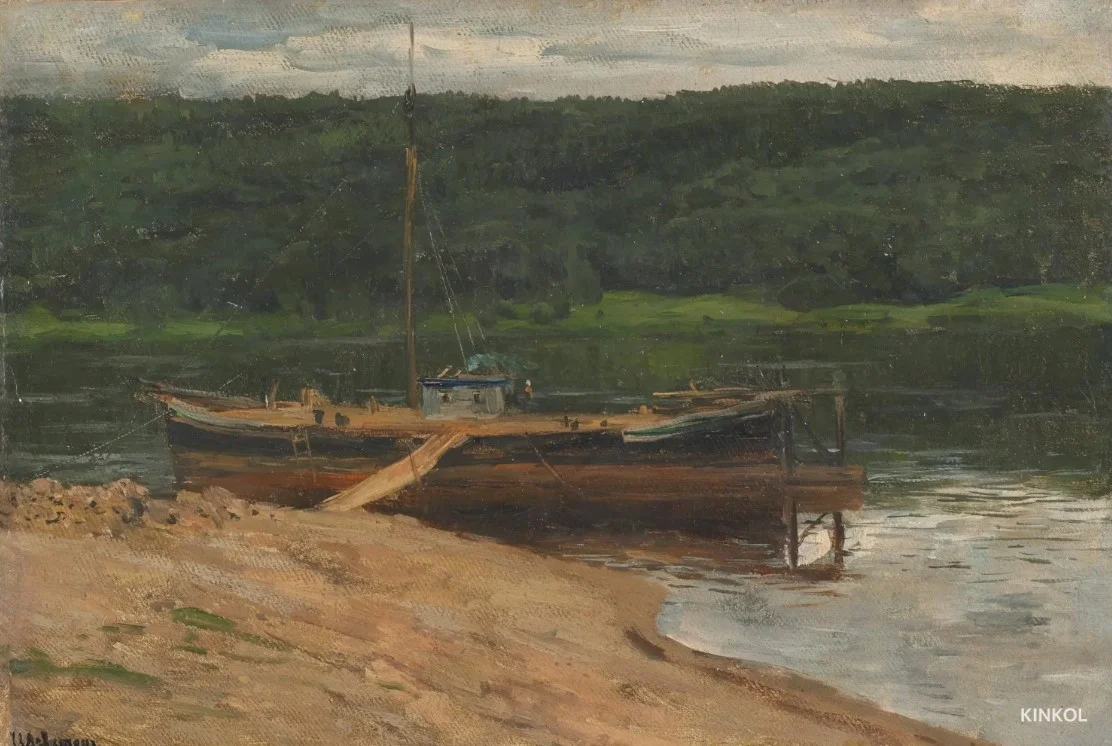
Besides temple motifs, Levitan painted a series of landscape studies in the summer of 1888, where the main force was the Volga River itself. The artist was particularly fascinated by the state of the river at different times of the day and in different weather conditions. One of the characteristic works was “Gray Day. Forest Above the River” – a study capturing a cloudy day on the Volga. Under the low gray sky, the river appears as a narrow ribbon, almost like a small bay, with a dark strip of forest in the distance. Interestingly, the Volga near Plyos is actually quite wide, and there are no bays there – Levitan slightly "narrowed" it in the composition, probably deliberately, aiming to convey not geographical accuracy but the mood of a quiet, gloomy day.

Another work from that period, “On the Volga”, reflects a different state of nature: the calm surface of the water, an extended landscape without a specific focus, with soft lighting. Both of these studies are now housed in the State Tretyakov Gallery and are considered classic examples of Levitan's ability to see grandeur in the simplest of motifs.

Levitan did not immediately begin creating large paintings; first, he gathered impressions, made sketches, and sought the best angles. Plyos offered him hundreds of such opportunities. Observers recalled that the artist was extremely demanding of himself: even after returning from nature with what seemed to be a beautiful study, he could be dissatisfied with it. If Levitan felt that he had not fully expressed what he experienced in front of the view of nature, he considered the work unsuccessful. This perfectionism only spurred him on to new searches. Thanks to this, the foundation for future masterpieces was laid in Plyos, which he then worked on in the studio.

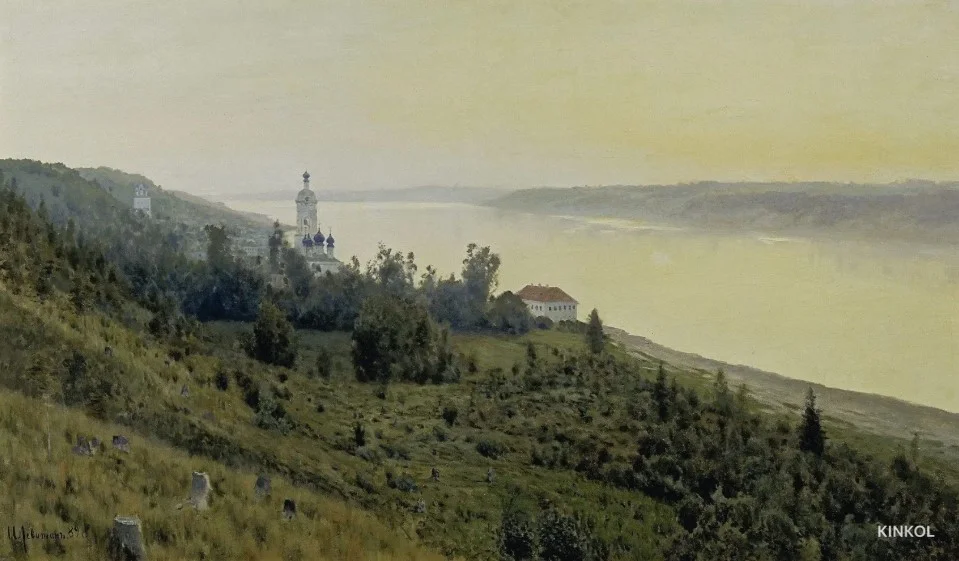
When Levitan arrived in Plyos for the second summer in 1889, he already had a collection of sketches and ideas from the previous year. It was based on the Plyos sketches of 1888–1889 that the famous paintings, which brought the artist fame, were later created. One of the main canvases of the Volga cycle is “Evening. Golden Plyos”. This painting is dated 1889: it is believed that Levitan began it directly on site, observing how the soft golden light of the sunset flooded the Volga and the town. The canvas depicts a view from Peter and Paul Hill (the very one where the wooden church stands) over the sprawling Plyos and the wide river below. The sky is painted with pre-sunset colors, the Volga shines with reflected light – the entire landscape is filled with the tranquility and warmth of a departing summer day. The painting impresses with the subtlety of color transitions and the atmosphere of quiet joy. No wonder contemporaries especially noted it among the artist's works of that period. Shortly after the creation of “Golden Plyos,” reviews began to circulate that something new had appeared in Levitan's landscapes – something joyful, bright. There is a legend that Levitan's close friend Anton Chekhov, upon seeing this painting, smiled and said, “You know, there's even a smile in your paintings now.” Indeed, “Evening. Golden Plyos” carries a different mood compared to Levitan's previous contemplative-sad paintings: here, there is a sense of peace and light sadness, more joyful than sorrowful.

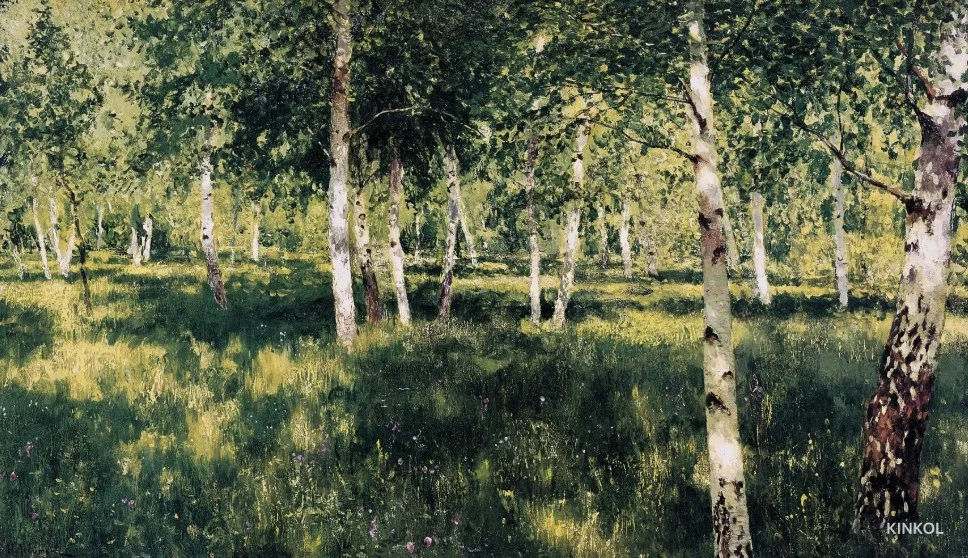
Another outstanding work born during the period of Plyos inspiration was “Birch Grove”. Levitan painted this picture in 1889 (according to some sources, he started earlier and completed it around 1889). It depicts a sunlit grove of slender white-trunked birches with bright green grass beneath them. This canvas is characterized by a festive, jubilant mood – such cheerfulness was almost absent in Levitan's earlier works. Probably, the influence of happy days on the Volga is reflected here: the artist looked at the world differently, allowing himself to show nature joyfully, sparkling with light. “Birch Grove” and “Golden Plyos” together seem to symbolize that very “smiling” period in his painting. These works soon entered the collection of the Tretyakov Gallery and secured Levitan's fame as Russia's foremost lyrical landscape painter.

The legacy of the Plyos period is extremely rich and diverse. In addition to the mentioned works, dozens of Levitan's Volga sketches can be listed: images of the Volga by moonlight, during a storm, quiet backwaters, views of surrounding villages and forests. Many of them he later refined and turned into finished paintings. Plyos enriched Levitan's work with a whole range of new motifs – from sunny-bright to thoughtfully-epic. It was here that his signature style of “mood landscape” was finally formed, where nature on the canvas conveys the subtlest emotions of the human soul. It is not surprising that after the success of Levitan's Volga works, many young artists flocked to Plyos, wishing to see that very “corner of paradise” that inspired the master. Thanks to Levitan, Plyos became a kind of Mecca for landscape painters at the end of the 19th century.

“Plyos Hunt”: Artists Among Locals

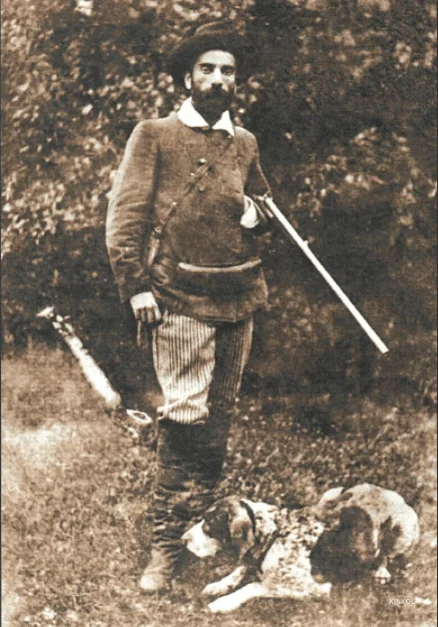
Besides artistic achievements, Levitan's years in Plyos were remembered by participants for their vibrant leisure life, mainly hunting. At that time, hunting was not just entertainment but a part of provincial life, especially for wealthy people. The Volga and its surroundings were teeming with game: hares and birds inhabited the coastal forests, and in autumn, migratory geese and ducks arrived. Levitan loved nature in all its forms from childhood, and he also had a hunter's spirit. His friendship with Alexey Stepanov, a passionate hunter, only strengthened this hobby. In Plyos, finding like-minded friends among the locals, the artists fully immersed themselves in the hunting life.

During his stay in Plyos, Isaac Levitan became close to several local residents with whom he established friendly relations. After Petrov Day, when the hunting season for game traditionally opened, Levitan, along with writer Alexei Stepanov and Sofya Kuvshinnikova, joined a group of amateur hunters from Plyos. This "chosen circle" included respected and notable people in Plyos, with whom the artists not only hunted but also befriended. Among them was Ivan Fyodorovich Fomichev — the son of a wealthy merchant, a charming and affluent young man more interested in hunting than in trade. Also among the like-minded people were the Smirnov brothers — Ivan Nikolaevich and Gavriil Nikolaevich, representatives of a well-known family in Plyos. Another local hunter, Fyodor Shemyakin, also joined their company.

It was with these people that Levitan established warm informal relationships. Joint hunts, walks through forests and meadows fostered friendship and mutual understanding between the artists and the residents of Plyos. During such outings, social differences were erased: by the campfire and with a gun, everyone was equal. Gavriil Smirnov, who was about 18–19 years old at the time, recalled decades later with warmth that Levitan was an excellent marksman and did not lag behind the locals in accuracy and enthusiasm for hunting. In the excitement of chasing game, the artist did not stand out — except for his keen observation. He could suddenly stop, captivated by how a sunbeam fell on a clearing, or sit down to sketch a beautiful bend of a stream while others were busy hunting. But when it came to shooting, Isaac Ilyich was accurate and focused.

Sofya Kuvshinnikova presented an intriguing picture during these hunts. As the only woman among the entire company, she held her own alongside the men. In the remote Zavolzhye forests, Sofya Petrovna appeared in shortened trousers, high light boots, with a gun on her shoulder — an unprecedented sight for the village residents of the late 19th century. Initially, the local hunters were, to put it mildly, surprised. However, it quickly became clear that the lady did not fuss, did not demand special conditions — on the contrary, she was full of enthusiasm and endurance. Kuvshinnikova easily endured long hikes, sleeping on hay, and stoically tolerated swamp mosquitoes. Moreover, in the evening, the tired hunters received an unexpected bonus from her: Sofya Petrovna played the piano excellently, and in the Fomichev house, where there was an excellent instrument (a great rarity for Plyos), she often arranged small concerts for the entire company. Ivan Fomichev's young wife and his children listened to her play with admiration, and the rough-looking hunters were moved by the wonderful music. Such was the colorful palette of communication — from hot hunting days to musical evenings.

Over time, the hunts in Plyos became surrounded by local legends. Nikolai Pavlovich Smirnov, a relative of those very hunter brothers, later described these events in the story “Golden Plyos.” He vividly captured the images of metropolitan artists and local hunters, their tales, curiosities, and successes in hunting. Thanks to such testimonies, we know that all three — Levitan, Stepanov, and Kuvshinnikova — were not averse to occasionally taking a break from the easel and spending a day or two with a gun in hand. This only benefited their creativity: after active rest, they returned to their brushes with renewed vigor. Moreover, through hunting, Levitan got to know ordinary people, peasants, and townsfolk, their speech, and characters. Interaction with local residents, shared meals, and conversations by the campfire enriched his life experience and impressions of folk life. Although Levitan was not a genre painter and did not depict peasants in his paintings, the spirit of Russian life, love for his native land — all this became closer to him.

As a result, the "Plyos hunt" became an integral part of the legend of Levitan's stay on the Volga. This aspect of life shows the artist from an unexpected angle: not only as a subtle lyricist contemplating sunsets but also as a cheerful, active person capable of enjoying earthly pleasures alongside others. Perhaps these happy moments in the company of new friends made him feel "at home" on the Volga land, finally bonding with the nature and people of Plyos.

Summer 1889: The Second Journey to the Volga

After the triumphant and pleasant summer of 1888 in every respect, returning to noisy Moscow, to the classrooms and studios, was probably not easy for Levitan. The Volga had captured his heart, and he counted the days until he could meet it again. As soon as the river thawed and navigation opened the following spring, Levitan headed back to his beloved Plyos. In 1889, his journey was repeated with the same company: Aleksey Stepanov and Sofya Kuvshinnikova accompanied him. They arrived as soon as it was possible to sail on the Volga by steamboat, that is, in late spring – probably in May. They were warmly welcomed by the old owner of the Solodovnikov house, and the artists again settled on the embankment, in the familiar mezzanine above the shop.

The second summer in Plyos was even more fruitful and eventful than the first. Levitan felt confident: he already knew the surroundings and had favorite places to work. At the same time, he wanted to discover new landscape motifs and see the Volga from different angles. The artist made small trips along the shore – to nearby county towns: Kineshma, Yuryevets. But the center of his stay remained Plyos, where the studio was set up, and friends awaited.

By the way, in 1889, Levitan had a full-fledged studio in Plyos. According to local residents, he organized it right in the Solodovnikov house: apparently, part of the shop or pantry premises was converted into a spacious studio with top lighting. In it, the artist could work on large canvases when the weather did not allow painting in the open air. This indicates the seriousness of his intentions – Levitan settled in for real, as if at home, to work without regard to the whims of the weather.

Relations with Plyos acquaintances by the second visit became even friendlier. Everyone Levitan and his companions met the previous year – hunting enthusiasts, neighbors – were glad to see them again. Joint hunts continued, parties were held. Now the artists were no longer a curiosity but had become almost locals. Guests integrated into the life of the town: different stories could be told about them, but they were treated with respect. Especially, of course, Levitan was appreciated – by that time, news of his successes (for example, the acquisition of works by Tretyakov) had surely reached Plyos, causing pride among the locals that their quiet town was being glorified in the capitals through art.

Creatively, 1889 brought new heights for Levitan. It was then that the ideas for large canvases on Volga motifs appeared. In addition to the mentioned masterpiece “Evening. Golden Plyos”, dozens of new studies with more complex lighting effects and different states of nature were created. The artist sought to capture all the diversity of the Volga. Levitan could get up before dawn to capture the first rays over the water, or, on the contrary, wait for night to paint the moonlit path on the river. Each such work contained a piece of his soul. No wonder it was during these years that Levitan's reputation as the main master of lyrical landscape was finally formed: in 1889–1890, he exhibited his Volga works, and critics noted their depth and poeticism.

Spiritual Life

An important event during Levitan's second summer in Plyos was the story of the ancient wooden Church of Saints Peter and Paul, located on top of one of Plyos's hills by the Volga River. Levitan and Kuvshinnikova not only painted the exterior of this church but also studied its interior with great interest.

Kuvshinnikova recalled that she and Levitan were very eager to see a service held again in this old church. At their request, Father Yakov, the local priest, agreed to conduct a liturgy in the semi-ruined church despite its dilapidated state. The service made a deep impression on the artists. Levitan was very moved by the event, lighting candles at all the icons and was filled with a sense of tenderness. The atmosphere of antiquity, the scent of incense, the flickering candles, and the old local women who appeared at the service moved the artist and Sofia Petrovna to tears. This scene remained forever in the memory of both as one of the most emotionally powerful impressions of their stay in Plyos.

Another important aspect of the artist's spiritual life was his passion for reading spiritual texts. In the evenings, after long hours of work, Levitan would ask Sofia Petrovna to read aloud chapters from the Gospel or the Psalter. He listened attentively, asked questions, and was fascinated not only by the aesthetic but also by the spiritual side of life. This spiritual depth and contemplation later manifested in his paintings, filled with quiet beauty and deep reflection.

Annushka Grosheva

However, there were also dramatic events. The summer of 1889 was marked by a scandalous story involving Levitan and Kuvshinnikova. It concerned Anna (Annushka) Grosheva, a young woman living in Plyos. Annushka was the wife of a local merchant, whose house was located near the artists' apartment. This merchant's wife caught the attention of Sofia Petrovna and Levitan, perhaps due to her artistic nature or unhappiness in marriage. It is unknown how their acquaintance began, but it is known that Levitan and Kuvshinnikova saw talent and a passionate desire to change her life in her. Annushka loved theater and, according to the artist friends, had an acting gift. At that time, the path to the stage for a provincial married woman was almost closed, but Kuvshinnikova, herself a woman of bold views, decided to help her new acquaintance. Sofia Petrovna and Isaac Ilyich practically persuaded Annushka Grosheva to flee from Plyos to Moscow to try to start an acting career. It was a daring adventure: the young woman had to leave her husband, family, and comfortable life to plunge into the unknown of the big city. As the story goes, under the influence of Levitan and especially the persistent Kuvshinnikova, Annushka dared to take this step. In the summer of 1889, she secretly left Plyos and went to Moscow.

For the small town, such an incident became a real sensation and, of course, caused a wave of condemnation. The metropolitan artists were no longer viewed so benevolently: rumors spread that they had "corrupted" a married woman and destroyed a family. The strictest moralists surely branded Kuvshinnikova as the main culprit. As for Levitan himself, although he may not have been directly reproached, the general tension affected him as well. After all, reputation is a fragile thing, and such events could easily spoil the atmosphere. Nevertheless, until the autumn of 1889, the artists continued to live and work in Plyos. They did not leave everything immediately, although they might have felt some cooling from part of the local residents. That autumn was beautiful, and Levitan stayed until its very end, capturing in his memory the golden Plyos forests and the peaceful fading of nature.

When it was time to leave for the winter, Levitan probably wasn't sure if he would return here again. In two years, Plyos had become dear to him: he had experienced so many happy moments here and created so many outstanding works. But there was also an unpleasant aftertaste from the Grosheva story. In Moscow, new projects, exhibitions awaited him, and his health required attention (in the autumn of 1889, Levitan again showed symptoms of heart disease). One way or another, saying goodbye to Plyos at the end of the second season, the artist probably did not yet know that there would be a third, albeit short, visit ahead.

Summer 1890: The Last Season in Plyos

Despite all the difficulties of the previous year, in 1890 Levitan still decided to visit his beloved Plyos again, although this trip turned out to be different in many ways. In the summer of 1890, he arrived on the Volga without his friend Aleksey Stepanov. Only Sofya Kuvshinnikova, his constant companion, accompanied him. Changes were brewing in their relationship as well, but for now, they set off together to experience another Volga summer.

This time, Levitan preferred to change his residence in Plyos. Perhaps the Solodovnikov house, with its memories of last year's scandals, no longer seemed so cozy, or the owners did not want to rent rooms again after the story of Annushka's escape. In any case, the artist and Sofya Petrovna settled in another part of Plyos – in the house of the Chastukhins-Philosophovs. This house was located on a hill in the western part of the town (the building has not survived to this day). The new accommodation was further from the embankment, away from the previous circle of acquaintances. Judging by the memoirs, Levitan and Kuvshinnikova in 1890 generally tried to keep to themselves, avoiding unnecessary attention. They were in no hurry to renew a wide circle of acquaintances, probably to avoid stirring up old gossip.

The summer of 1890 saw Levitan spending a relatively short time in Plyos. It was more of a brief respite and the final chord of their Volga epic rather than a full season of work. Perhaps the overall tension accumulated after the Groshova incident had an impact.

Nevertheless, even during that short period, Levitan managed to accomplish several interesting things. He continued to paint studies from nature – the habit of daily creative walks remained. Perhaps during this period, he viewed Plyos somewhat detachedly, with a sense of farewell. Sometimes, to understand the significance of a place for oneself, one needs to leave – and, being on the verge of change, Levitan might have felt the charm of the Plyos landscapes more acutely, which he was soon to leave.

Later, locals debated whether Levitan was in Plyos in 1890 at all. For example, Gavriil Smirnov insisted that Levitan only appeared for two summers – 1888 and 1889, and then no more. Perhaps the reason is that in 1890, Levitan indeed met almost no one and left quite early, so some might not have noticed his visit. Nevertheless, it is documented that he was there, as he himself mentioned this trip. Thus, the Plyos saga in the life of the great artist concluded in the autumn of 1890. Three summers on the Volga flew by quickly but left an indelible mark on his destiny.

Development of Artistic Method and Views

The period spent in Plyos was a time of creative flourishing and simultaneously a school of mastery for Levitan. Although by the time of his first trip to the Volga he was already an established artist, it was the Volga seasons that honed his style, deepened his understanding of nature, and his own artistic goals. Several key points can be highlighted in the development of his method and views on art during these years.

First and foremost, Levitan demonstrated incredible diligence and fidelity to nature in Plyos. Daily practice of studies in the open air cultivated in him an even more sensitive perception of the surrounding world. He learned to notice the slightest changes in the state of nature – the movement of clouds, the play of reflections on the water, the transitions of color at dusk. All this required a lightning-fast reaction of the brush, the ability to capture the main thing. Levitan possessed an exceptional visual memory, which his colleagues often noted. He could remember the slightest shades of the sky or the silhouettes of a distant shore and later reproduce them in the studio without a direct view of nature. In the conditions of Plyos, this ability especially developed: often the weather or time of day changed faster than it was possible to finish a study, and the artist had to complete it from memory. His memory and imagination complemented each other, allowing him not to lose the initial sensation.

Simultaneously, Levitan became even stricter with himself. Not every work he started satisfied him – the demands on the result were very high. He did not want to be just a recorder of beautiful views; it was important to convey the soul of the landscape, its emotional sound. If a study came out dry, without "mood," Levitan could consider the day lost.

In Vasily Bakshaev's memoirs about the artists' stay in Plyos in 1895, a characteristic episode is described, revealing Isaac Levitan's attitude towards his work. One evening, returning from a study, Bakshaev met Levitan and asked him: "How was it today, successful?" To which Levitan replied: "You know, nothing came out!" Bakshaev initially thought he was being modest – after all, how could such a master have "nothing come out"? But Levitan continued: "What I saw, experienced, and felt – I failed to convey." This episode vividly testifies to the artist's high demands on himself and the depth of his experiences related to working on a study.

This phrase wonderfully characterizes his approach: it is not enough to see beauty – one must be able to put one's feeling from this beauty into the canvas. Such internal demand and deep emotional involvement in the work became Levitan's hallmark and probably reached full disclosure in Plyos. Here he came closer than ever to the ideal of unity with nature – when the artist passes the landscape through himself and paints not just a view, but his state of mind caused by this view.

Interestingly, the impressions of the Volga also adjusted Levitan's palette and preferences. If earlier he sought, inspired by Savrasov, to convey predominantly sad-lyrical notes (autumnal witherings, monotonous Meshchera plains), then Plyos offered him new themes — the joy of a sunny day, the triumph of summer's bloom. Levitan tried himself in a brighter color palette, playing with fresh colors in his studies. Of course, the sadness did not disappear — it just became lighter, acquiring a shade of tranquility. The Volga gave a sense of vastness and eternity, which resonated with the philosophical nature of the artist. He pondered a lot, looking at the mighty river, and these thoughts about life, about the infinity of time seemed to enter his works. Later, art historians would say that Levitan learned to combine in landscape the concreteness of the moment (the exact state of nature here and now) with a sense of the eternal, the infinite. Perhaps this also happened largely under the influence of the Volga, this symbol of grandeur and constancy.

Another important aspect should be noted: interaction with other artists and exchange of ideas. Plyos was not a desert — Levitan was constantly surrounded by either friends (Stepanov, Kuvshinnikova), or guests, or he communicated with the same local residents with their own worldview. All this enriched his outlook. Sofya Petrovna, though a student, could inspire with some fresh perspective, praise, or, on the contrary, criticism. Stepanov, working in a different genre, also shared his opinion. Such creative communication fueled interest in work, prevented self-satisfaction. Levitan in these years was open to new influences, tried various compositional solutions, more boldly introduced genre elements into the landscape (a fisherman's boat on the river, figures of people in the distance — earlier he almost avoided any human presence in the landscape, but in Volga works they sometimes appear, albeit small).

In 1890, concluding the Plyos period, Levitan, one might say, reached a new level of mastery. He accumulated a huge amount of material — studies, sketches — and honed his skill to brilliant perfection. Ahead awaited new places and new masterpieces (in the early 1890s, "Above Eternal Peace" and other iconic paintings would be created). But the foundation for these peaks was laid precisely in the Plyos years. Receiving a colossal charge of inspiration from the Volga nature, Levitan generalized it and turned it into a universal language of landscape, understandable to anyone who loves the Russian land.

Thus, from the point of view of creative development, Levitan's stay in Plyos became a time of synthesis of his previous experience and new impressions, resulting in a qualitatively different level of artistic expression. He learned to even more accurately embody on canvas not only the visible outlines but also the elusive mood — the very thing that makes Levitan's paintings close and touching to the viewer.

The Significance of the Plyos Period in Levitan's Work

The Plyos period (1888–1890) played a huge role in the life and work of Isaac Levitan. These three summers on the Volga were a time when the artist's talent fully blossomed, and his name was established among the greatest Russian painters. The significance of this period is multifaceted – artistic, personal, and even social.

First and foremost, it was the works from Plyos that brought Levitan nationwide fame. Before his trip to the Volga, he was known among artists and connoisseurs, but the general public knew little about him. After the exhibitions of 1889–1890, where the Volga landscapes were presented, Levitan was talked about as a rising star of Russian art. The purchase of his paintings by Tretyakov, the laudatory reviews from critics – all this happened thanks to the canvases whose ideas were born on the slopes of Plyos. Many of these works became classics even during the author's lifetime. It can be said that Plyos gave Levitan a theme that matched the scale of his talent – the theme of the Motherland, expressed through the image of the great river and Russian nature.

Moreover, the Plyos period significantly influenced the evolution of the Russian landscape genre as a whole. Levitan managed to combine in his Volga paintings the traditions of his predecessors (such as Savrasov, Fyodor Vasilyev) with the new pursuits of late 19th-century painting. His Plyos works were distinguished by the freshness of impressions, the finest rendering of the light-air environment, and the use of bolder color combinations. Some critics even saw the influence of Impressionism in them (for example, in “Birch Grove” – sunspots, lightness of stroke). However, Levitan remained unique: he was interested not in the transience of the moment as such, but in the eternal feelings that nature evokes in a person. This depth of content, the philosophical nature inherent in the Plyos cycle, elevated the landscape to a new height – the level of an emotionally rich, "speaking" genre. After Levitan, it was no longer possible to perceive the landscape as just a decorative background: in his best paintings, nature became the hero, the bearer of ideas and mood. This is the great merit of the Plyos period.

For Levitan himself, the time spent in Plyos was one of the happiest in his life. These were rare years when personal joys and successes in creativity went hand in hand. The artist found harmony – with himself, with the people around him, with nature. Friendship with Sofya Kuvshinnikova gave him the warmth and care he lacked in his youth. Communication with new friends in Plyos expanded his life experience. He not only painted pictures but also lived a full life: hunting, playing music in the evenings, conversing. This wholeness of being was reflected in the wholeness of his art. One cannot help but think that there is so much soul in Levitan's Plyos landscapes precisely because he put his then-happy heart into them. Of course, Levitan's fate was not easy afterward – there were scandals, separation from Kuvshinnikova, and illnesses. All the more precious for him were the memories of the peaceful Volga haven, where he was young, full of strength, and love for life.

Plyos became for Levitan the place on earth that can be called the cradle of his mature genius. It is no coincidence that years later, at the end of his life, Levitan recalled the Volga with special feeling. Although after 1890 he never returned to Plyos, the image of this quiet town was forever imprinted in his consciousness. The echo of Plyos moods can be heard in his later masterpieces. For example, the painting “Above Eternal Peace” (1894) — one of Levitan's deepest works — was not painted on the Volga, but the spirit of vastness and majestic tranquility is similar to what the artist experienced while gazing at the endless expanses of the Volga from the heights of Plyos. Many art historians consider this work the quintessence of Russian landscape, and perhaps without the previous Volga impressions, it would not have been created as we know it.

Memory of Levitan in Plyos

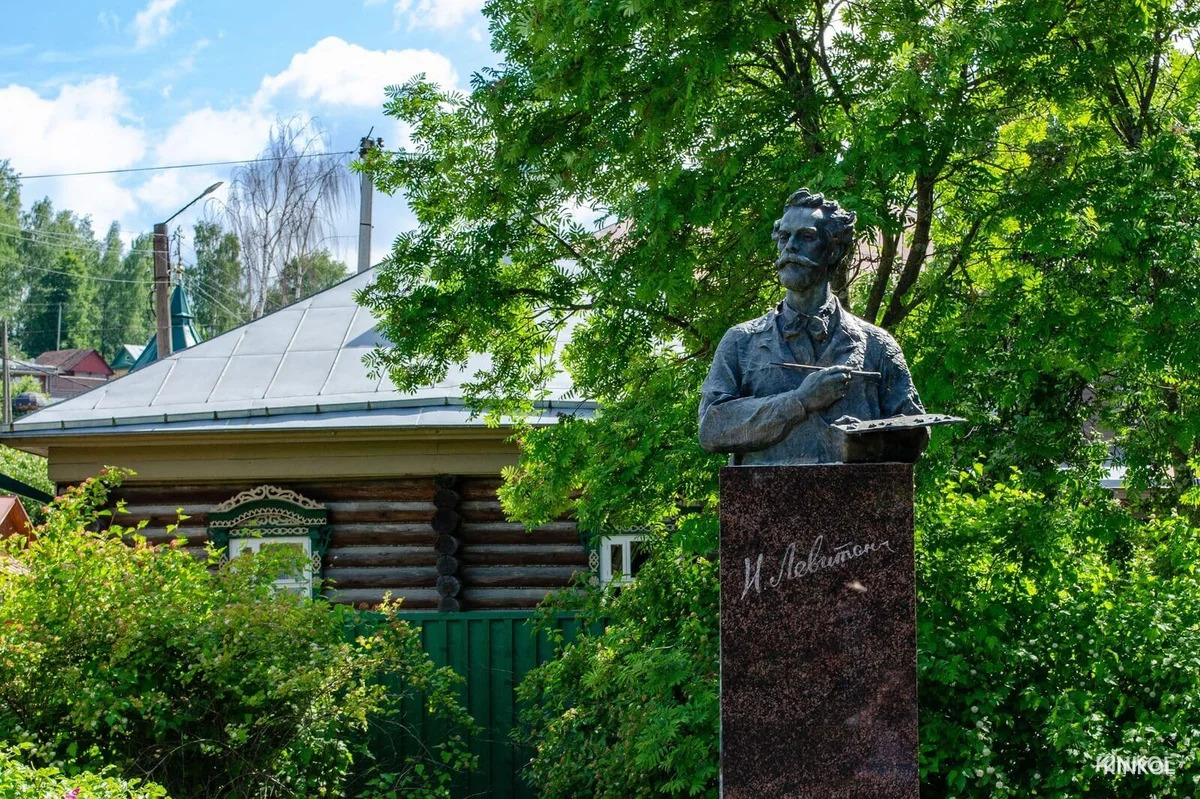
Finally, the legacy of the Plyos period lives not only in museums and art history books but also in the town of Plyos itself. Decades after Levitan's death, a House-Museum of the Artist was opened there, as well as a Landscape Museum — as a sign of the role the small Volga town played in the development of the great master. Today, visitors to Plyos can climb Levitan's Hill (now called Petropavlovskaya Hill), admire the very view that inspired the artist, and see the church he depicted. The memory of Levitan literally hovers over the Volga in these places. For the town, his name has become an integral part of its own history and a brand that attracts tourists and artists.

In conclusion, it can be confidently said that the Plyos period was a time when Isaac Ilyich Levitan reached a new creative level, enriched Russian art with masterpieces, and found happiness and recognition himself. Three summers on the banks of the Volga became a legend passed down from generation to generation. This legend is about how the quiet provincial Plyos turned into a source of inspiration for a genius and gave the world invaluable paintings full of love for native nature and the subtlest feelings. The contribution of the Plyos period to Levitan's work is truly invaluable — without it, perhaps there would not be the Levitan known and appreciated by the whole world.

Главное меню