Museums in Plyos
Tell us what kind of holiday you’re planning in Plyos and what matters to you. We’ll help choose accommodation, interesting places, and activities that fit your wishes and budget.
Plan my tripМузеи Плёса: что посмотреть и как выбрать
Музеи Плёса знакомят с русской пейзажной живописью, историей волжского города и художественными традициями Ивановской области. Главный из них посвящён Исааку Левитану, благодаря которому Плёс получил известность как один из центров русского пейзажного искусства. Однако музейные коллекции города гораздо разнообразнее: здесь представлены картины художников XIX–XX веков, археологические находки, старинные ткани, фарфор и произведения народных мастеров.
Большинство музеев находится в исторической части Плёса, в купеческих особняках на набережной и старинных зданиях Соборной горы. Их удобно посещать во время пешей прогулки, сочетая знакомство с экспозициями и осмотр достопримечательностей города. При этом музеи заметно различаются по тематике, поэтому перед поездкой стоит определиться, что вам интереснее: живопись, история, архитектура или декоративное искусство.
Plyos Museum-Reserve and private museums
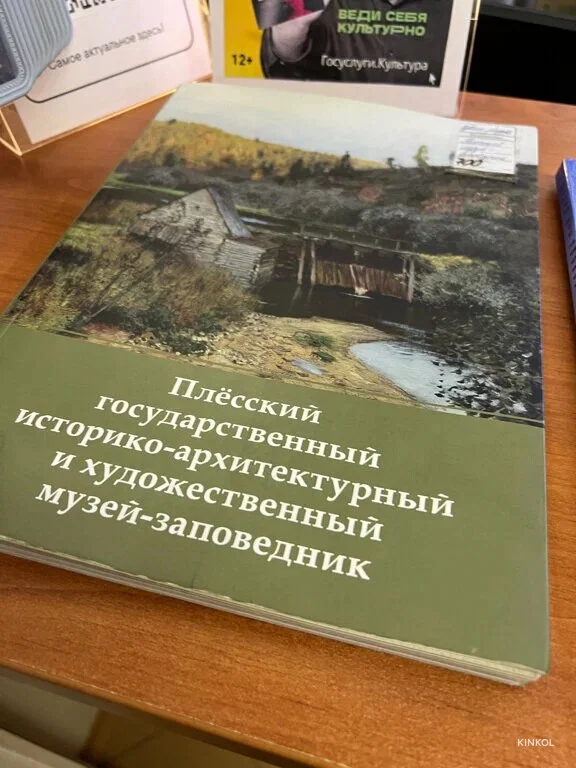
The foundation of the city's museum life is the Plyos State Historical, Architectural, and Art Museum-Reserve, established in 1982. It is not a separate building, but a whole museum complex that combines historical monuments, art collections, and several permanent exhibitions. Its structure includes the Memorial Levitan House Museum, the Landscape Museum, the exhibition "Art Crafts of the Ivanovo Region", and the museum and exhibition center "Presence Places". In addition, the museum-reserve manages the Levitan Cultural Center, where temporary exhibitions and cultural events are held.
The museum-reserve is engaged in preserving the historical appearance of Plyos, its architecture, and the surrounding landscape. Therefore, the museum heritage of the city is not limited to exhibits: part of it consists of the ancient buildings themselves and the historical urban environment. Outside the state complex, private collections operate, including the Museum of Porcelain, Lacquer, and Painting. Information about state exhibitions can be found on the official website of the Plyos Museum-Reserve, while KINKOL collects cards of individual museums with photos, descriptions, and visiting conditions.
Levitan House Museum: the main museum of Plyos
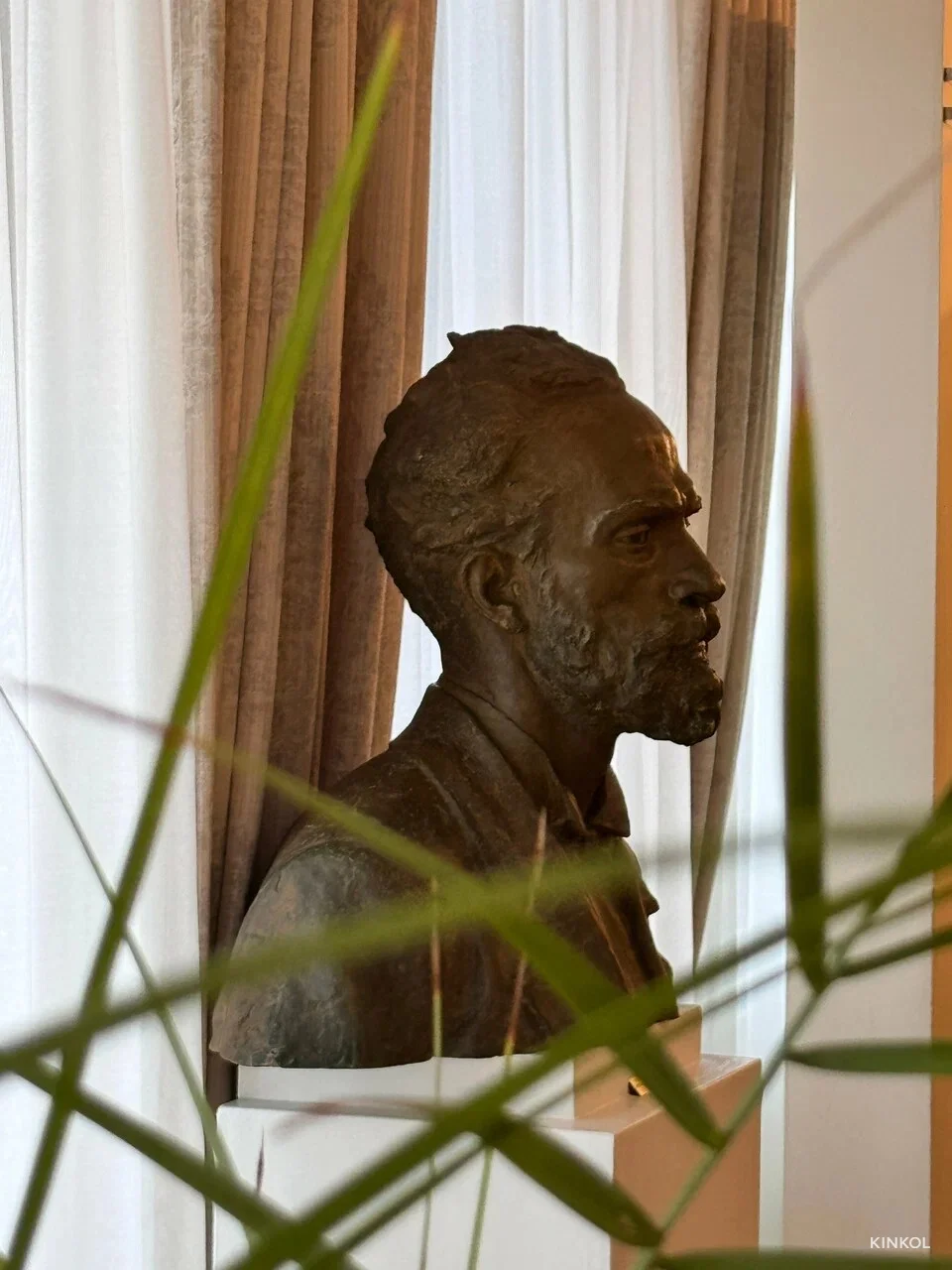
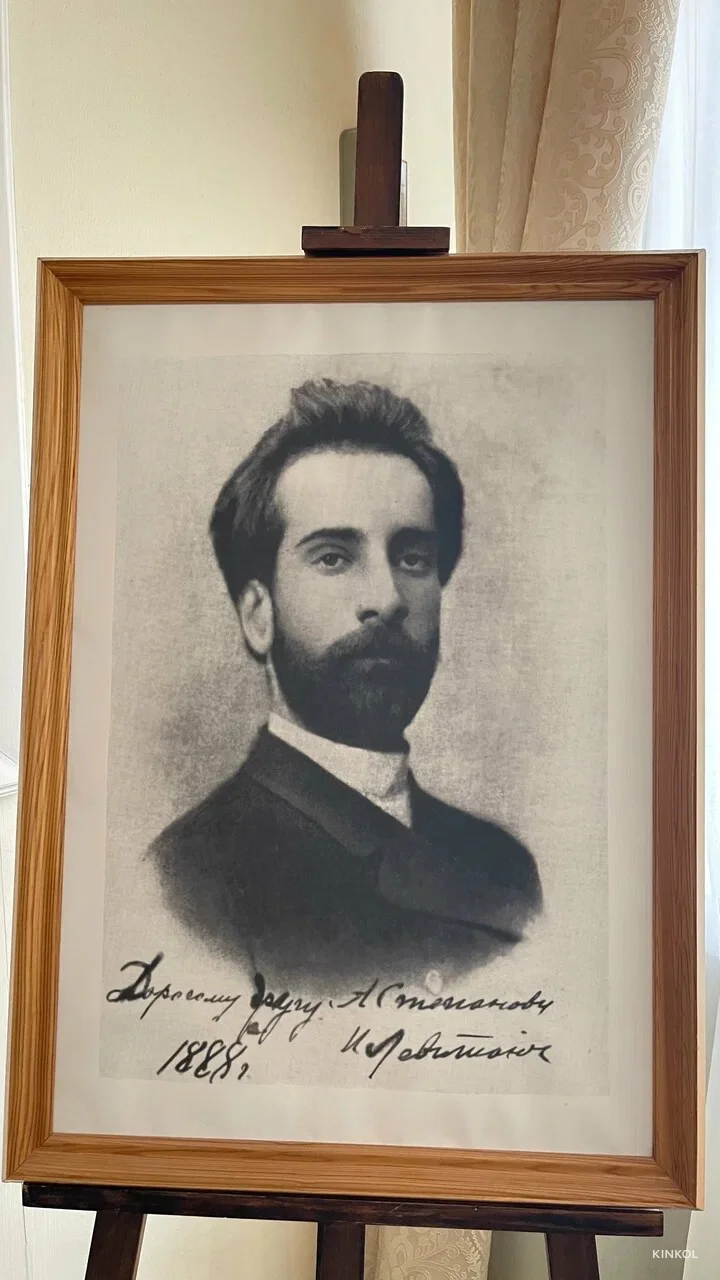
The most famous museum in Plyos is dedicated to the Russian landscape painter Isaak Ilyich Levitan. He first came here in 1888 with artists Alexei Stepanov and Sofia Kuvshinnikova. During three summer seasons spent on the Volga, Levitan created about two hundred works, including sketches and drawings. It was here that he found motifs for the paintings "Evening. Golden Plyos", "Quiet Abode", and other works that became an important part of Russian landscape art.
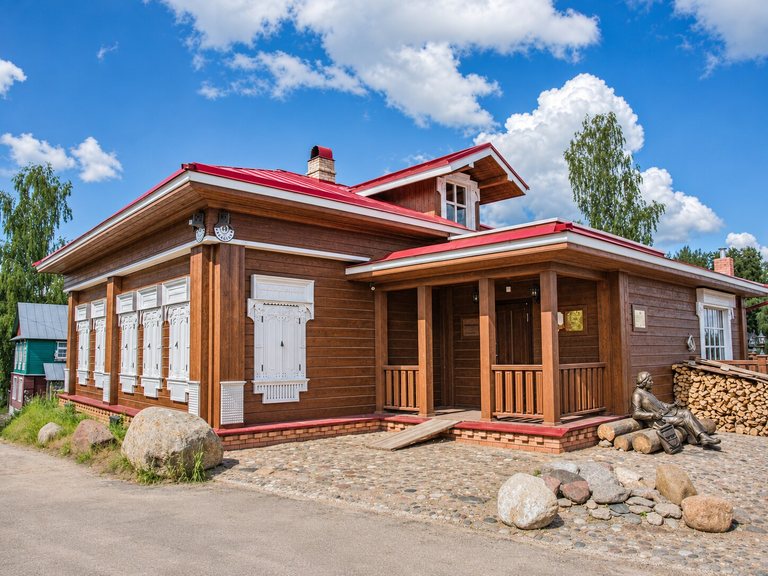
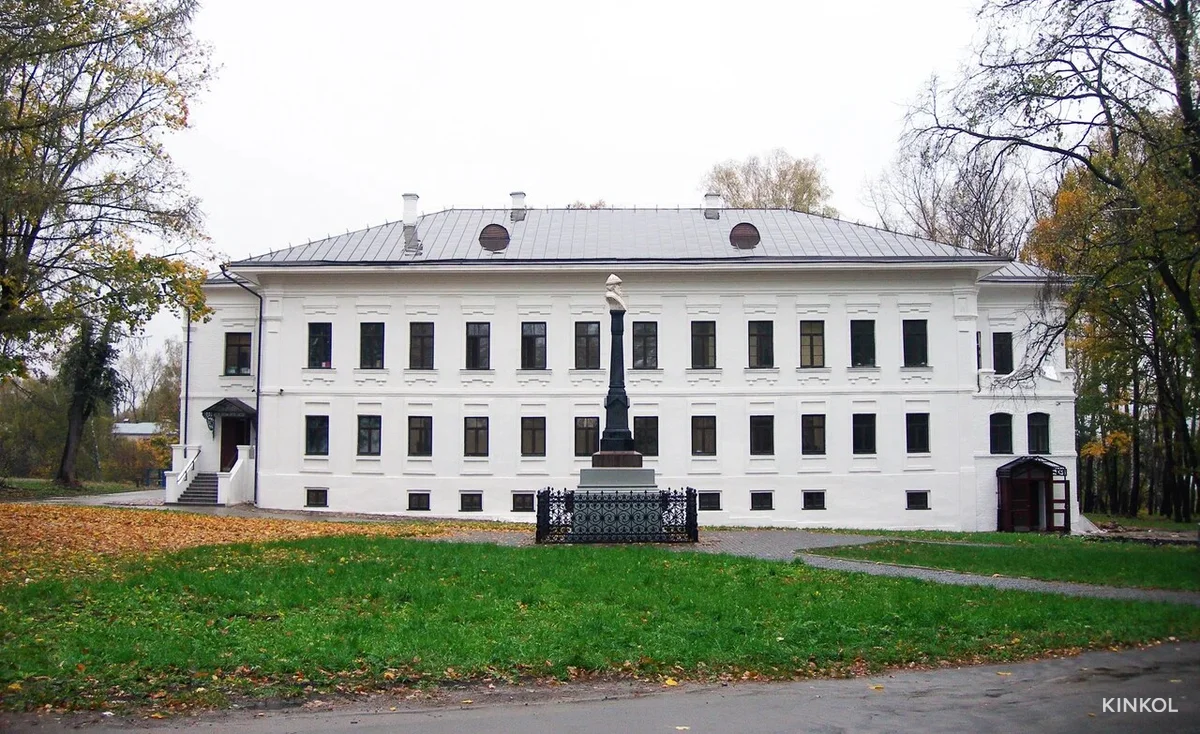
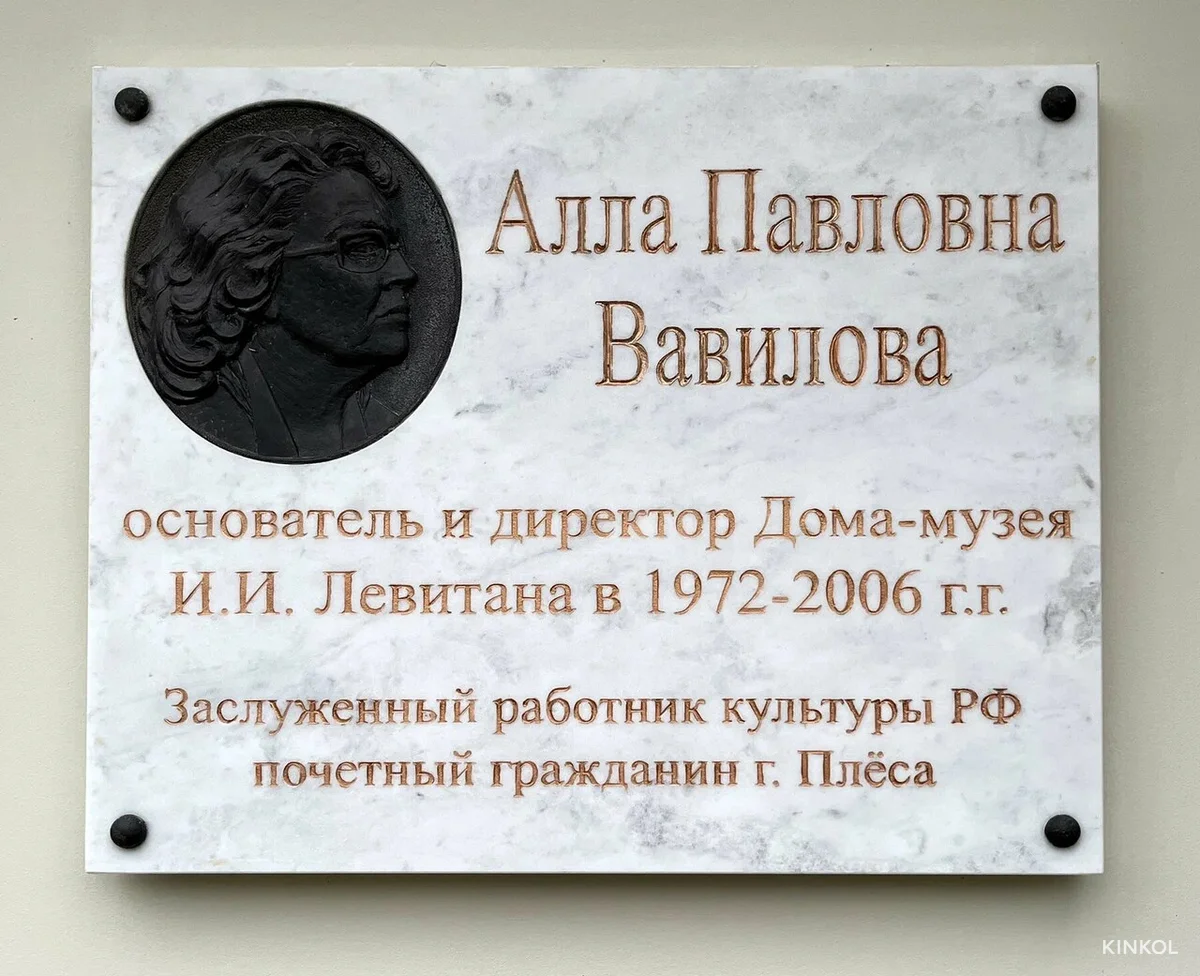
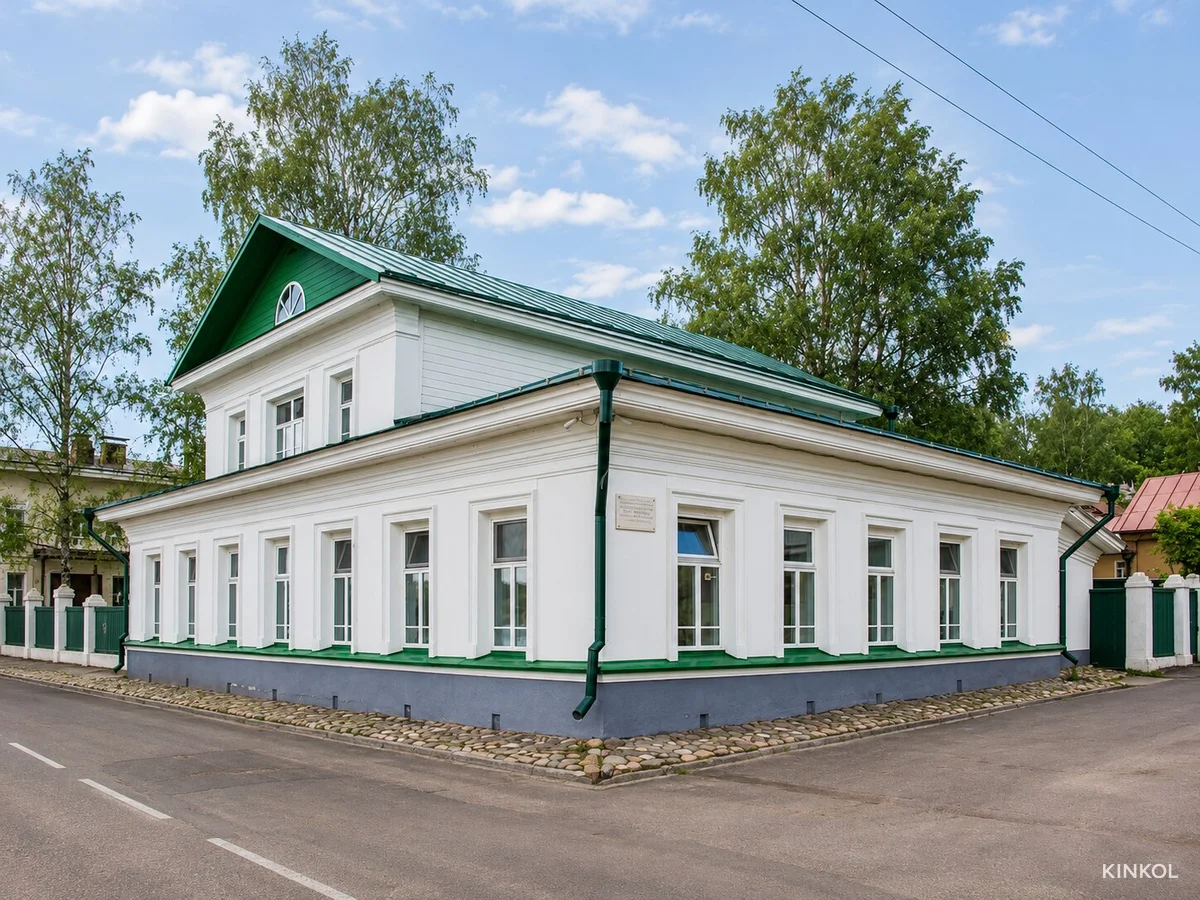
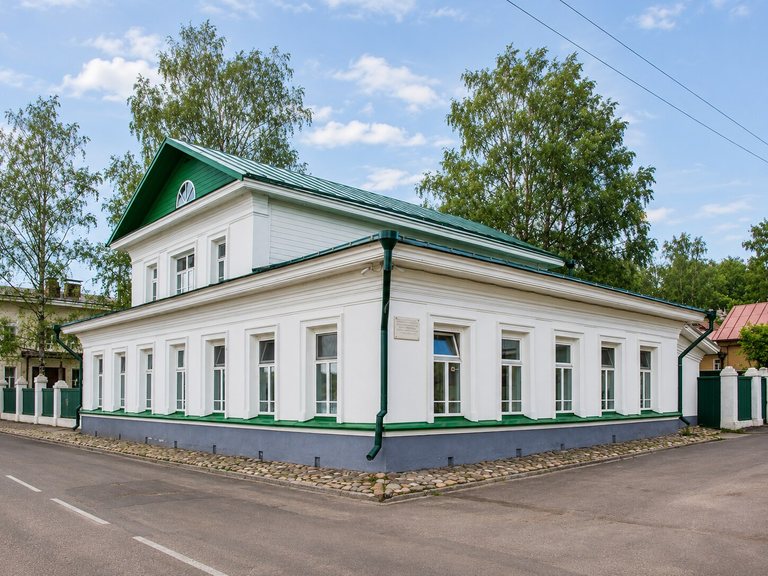
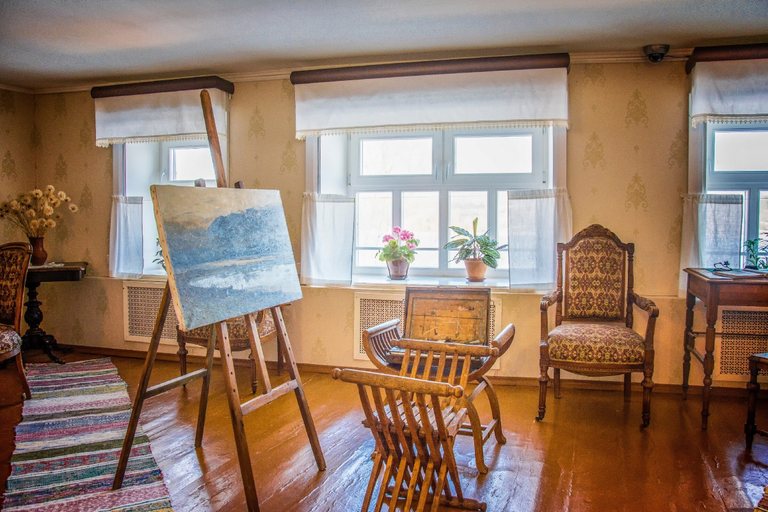
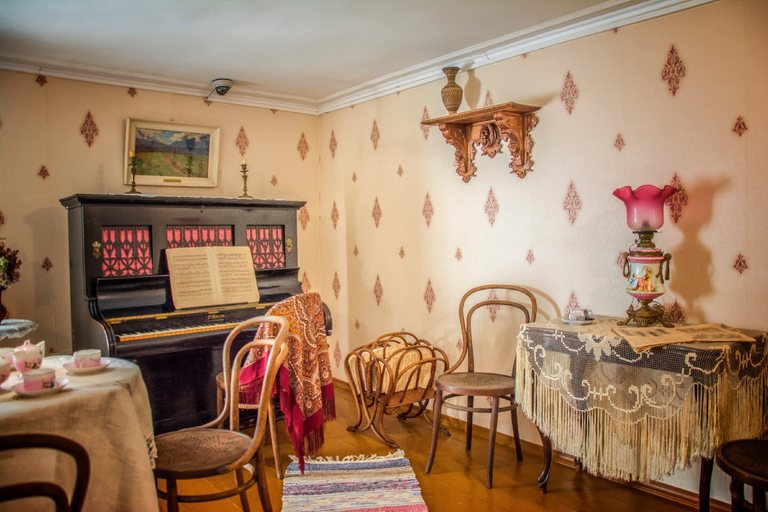
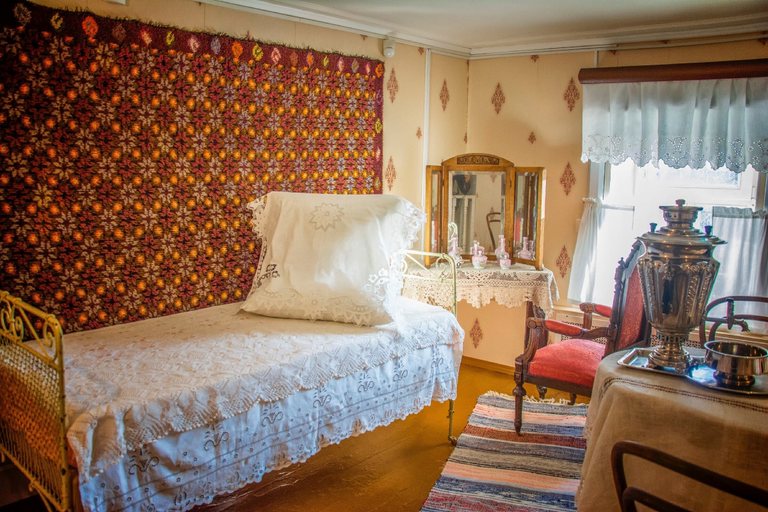
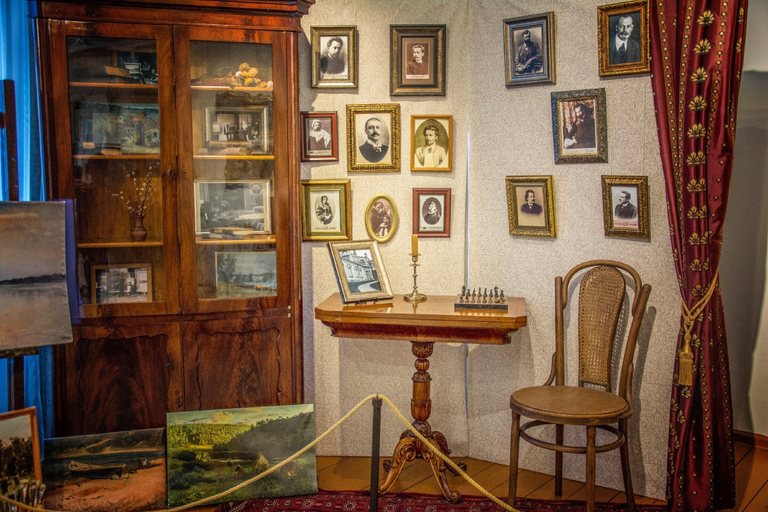
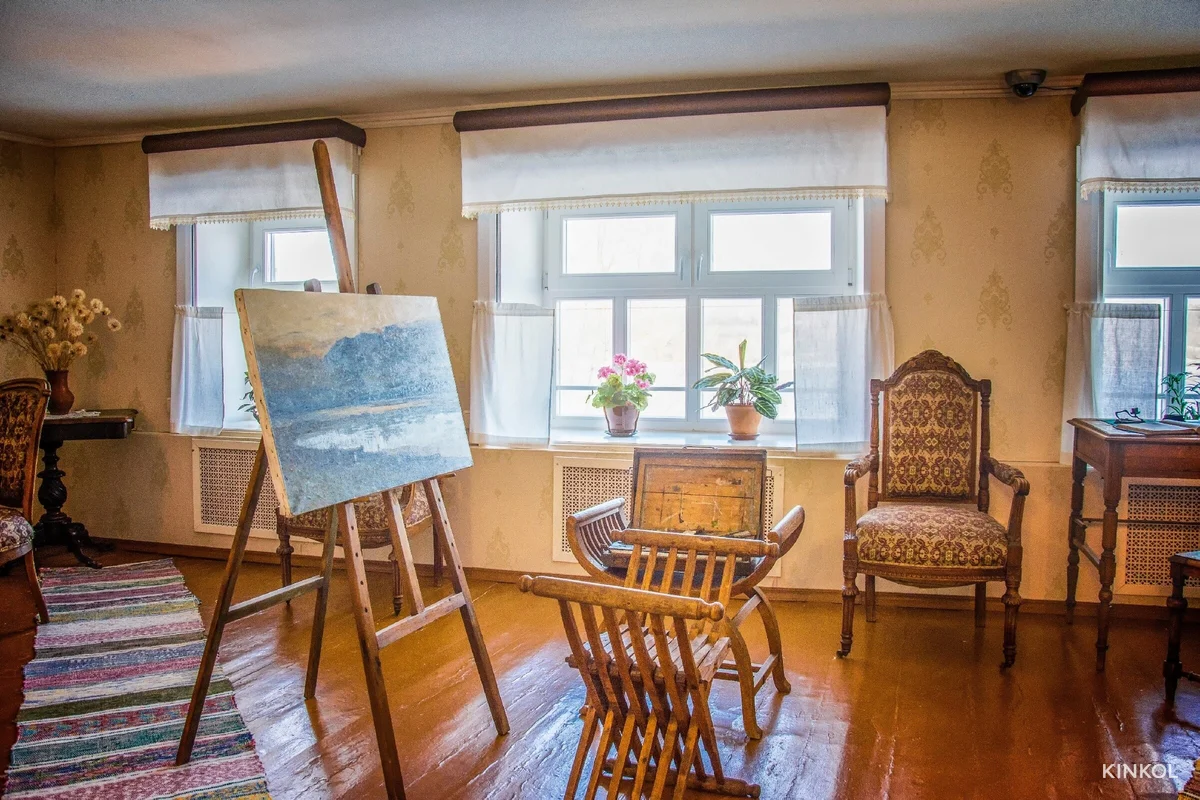
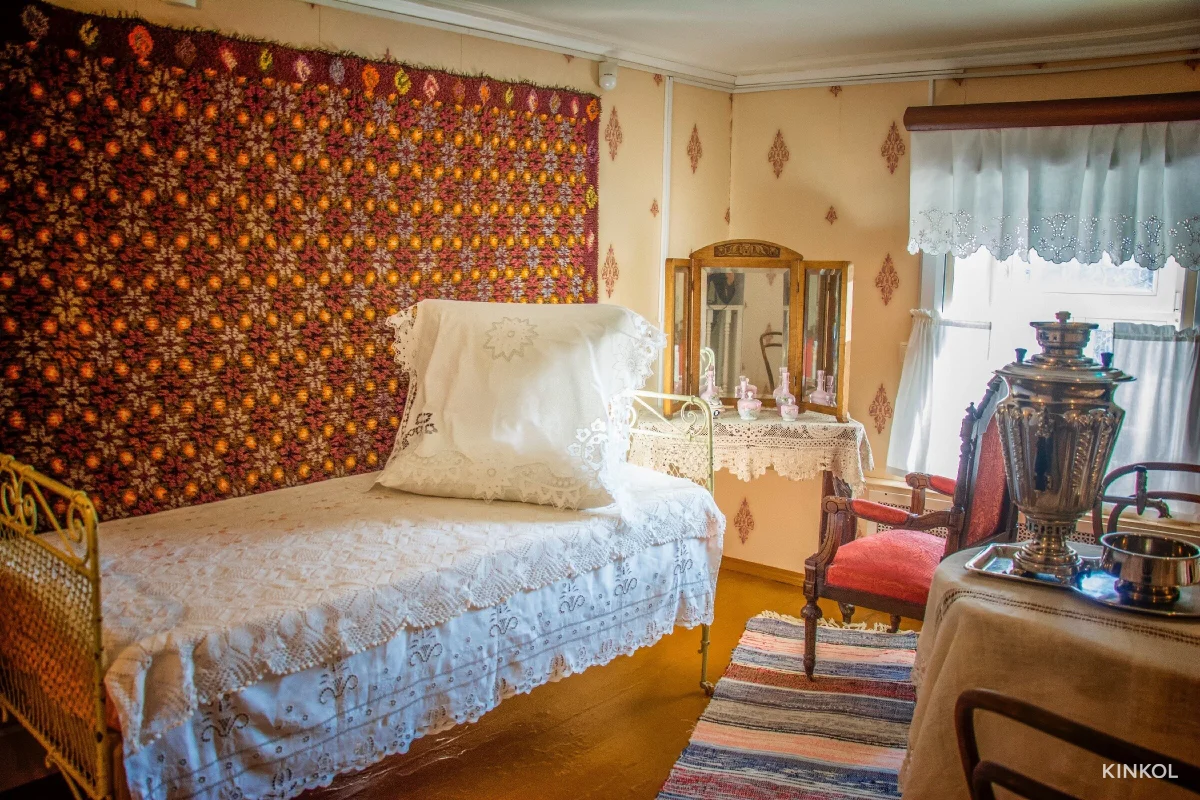
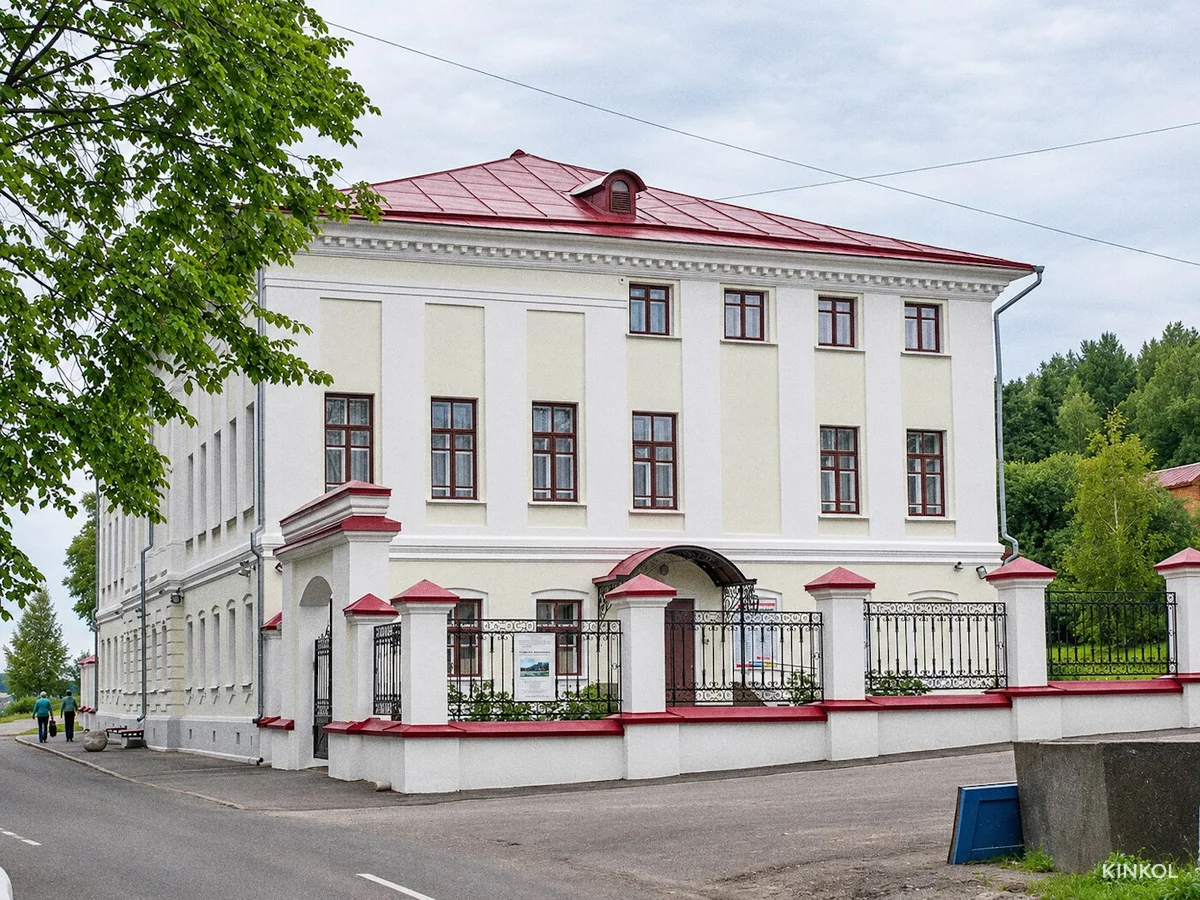
The Memorial Levitan House Museum opened in 1972 in the former merchant house of the Solodovnikov family, where the artists stayed in the summer of 1888 and 1889. The combination of original paintings and memorial setting is of particular value. In the museum, you can see Levitan's paintings and sketches, works by his friends, personal belongings, and restored rooms in the attic where the artists lived. The famous large canvases, such as "Evening. Golden Plyos", are located in the Tretyakov Gallery, so in the Plyos museum, visitors become acquainted with them through reproductions and documentary materials.
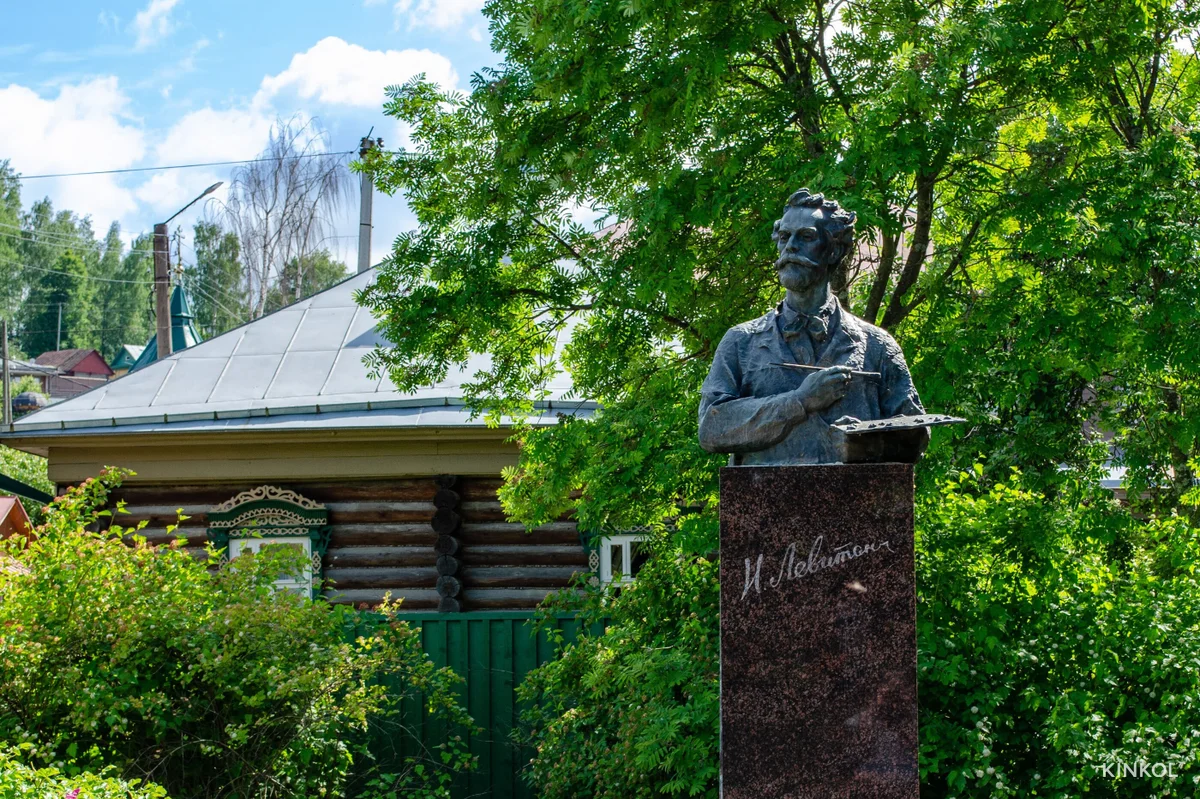
Visiting the Levitan House Museum helps to better understand why this small Volga town occupies such an important place in the artist's biography. After getting acquainted with the exhibition, you can walk along the embankment, see the views familiar from the paintings, and climb to Levitan Mountain, where a monument to the painter stands at his easel. Thus, the museum visit becomes part of the acquaintance with the real places that inspired the artist.
The Landscape Museum and Russian painting of the 19th–20th centuries
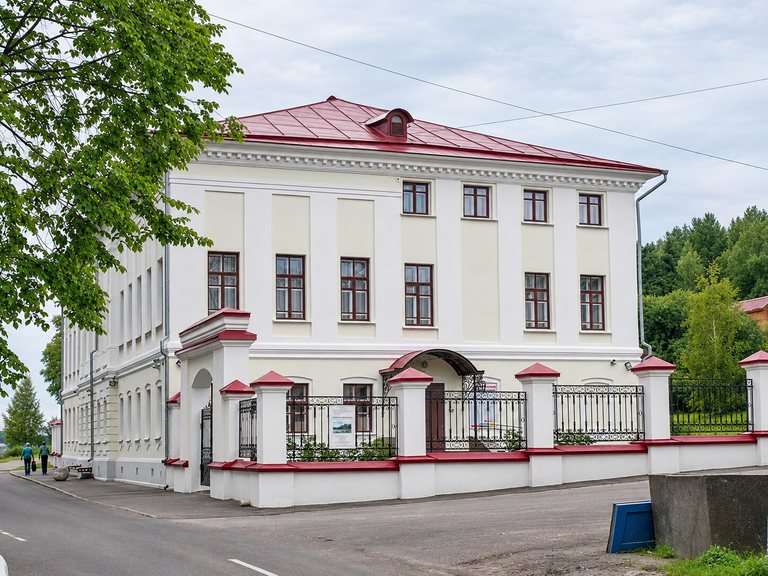
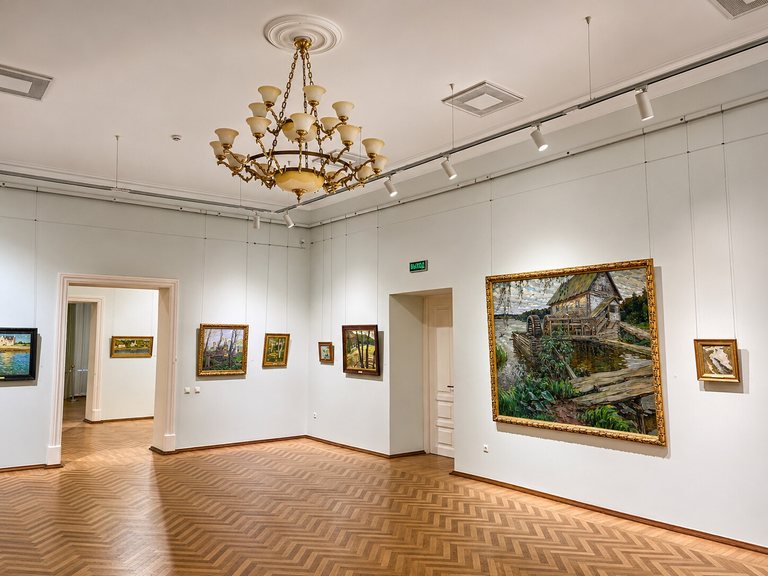
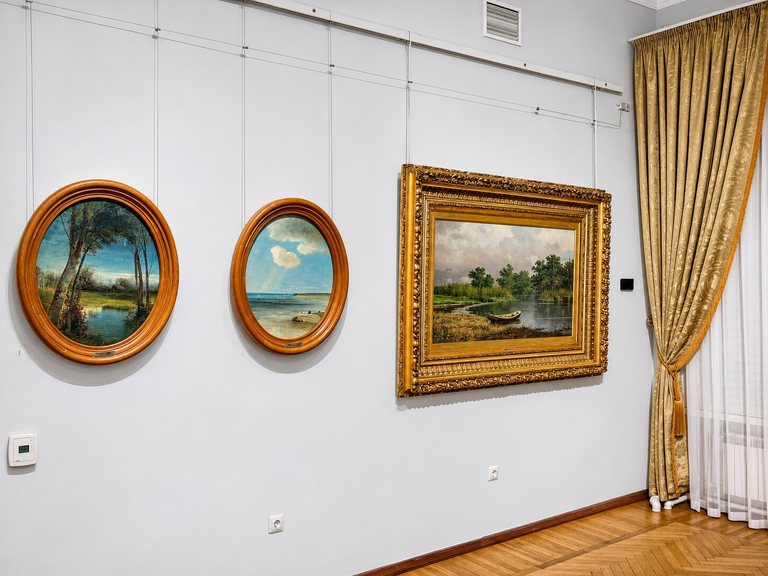
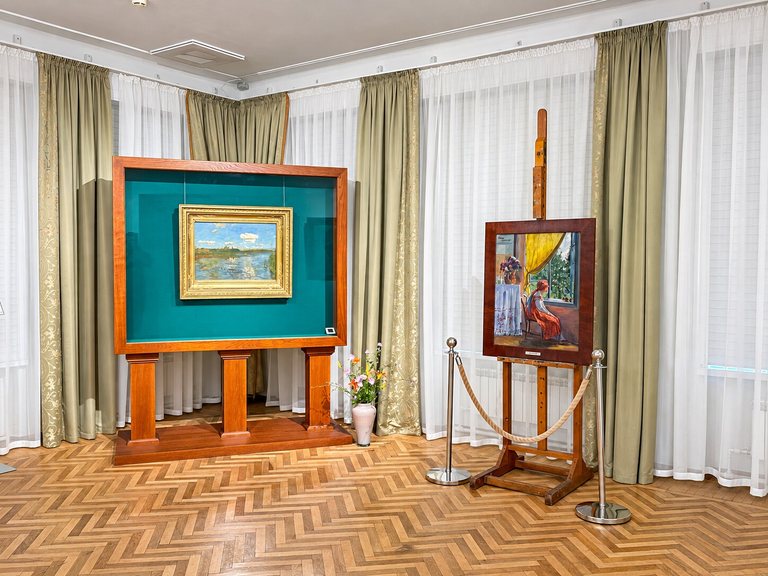
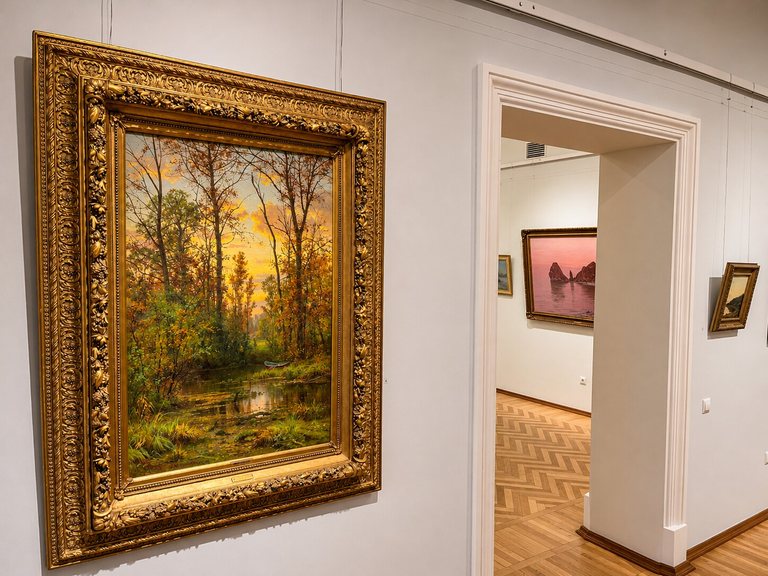
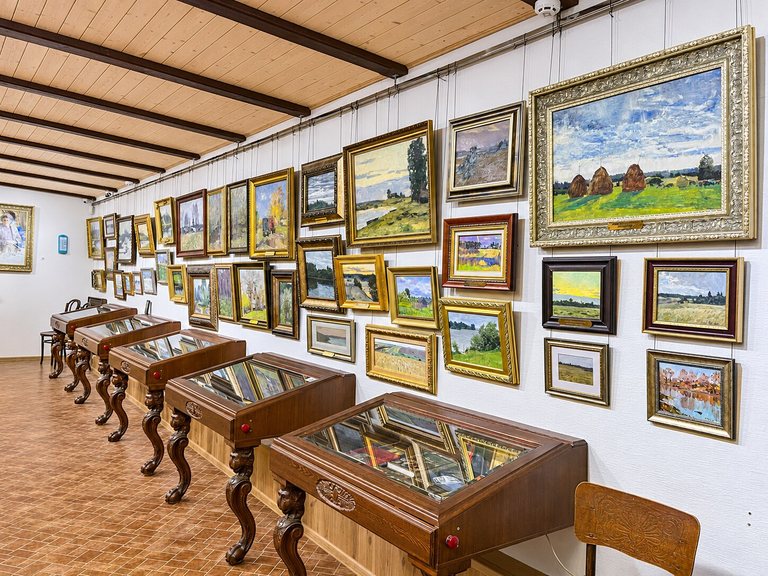
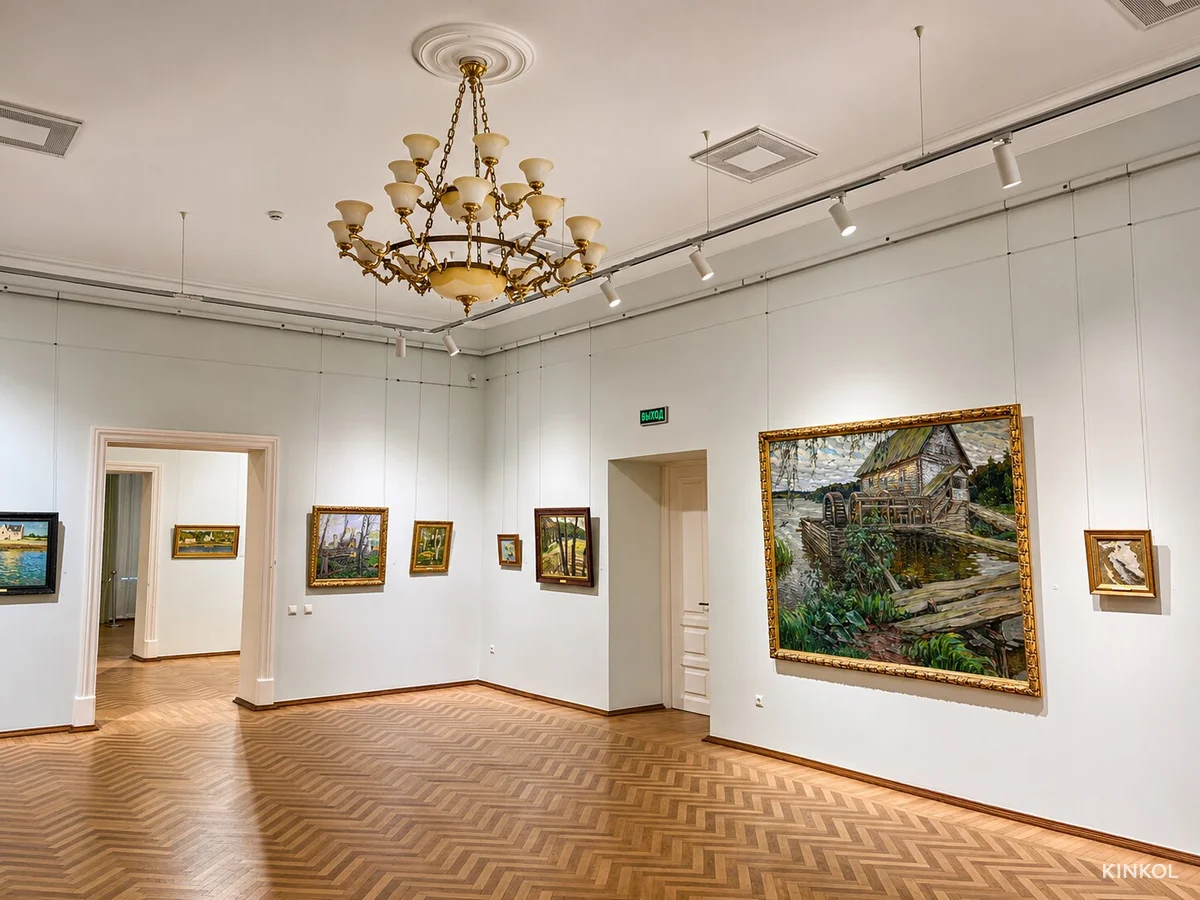
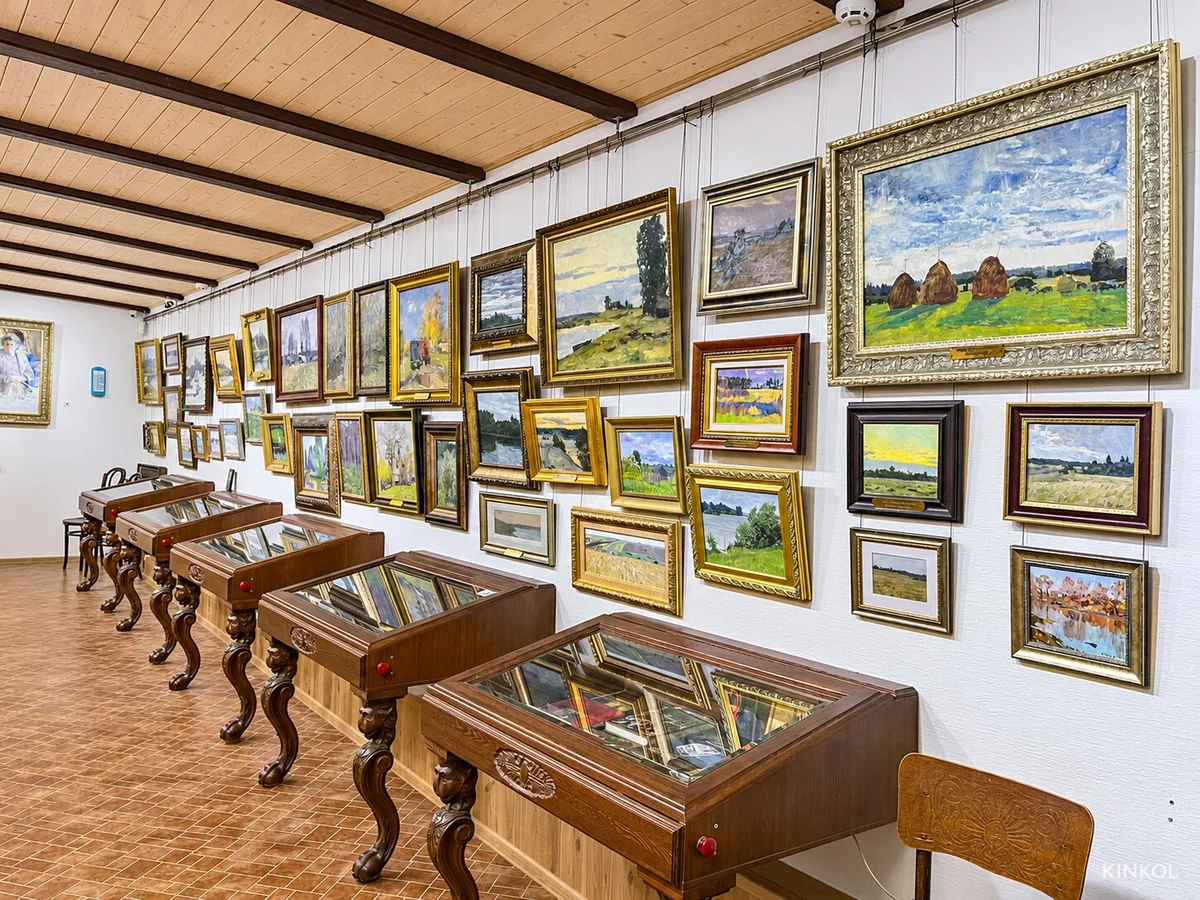
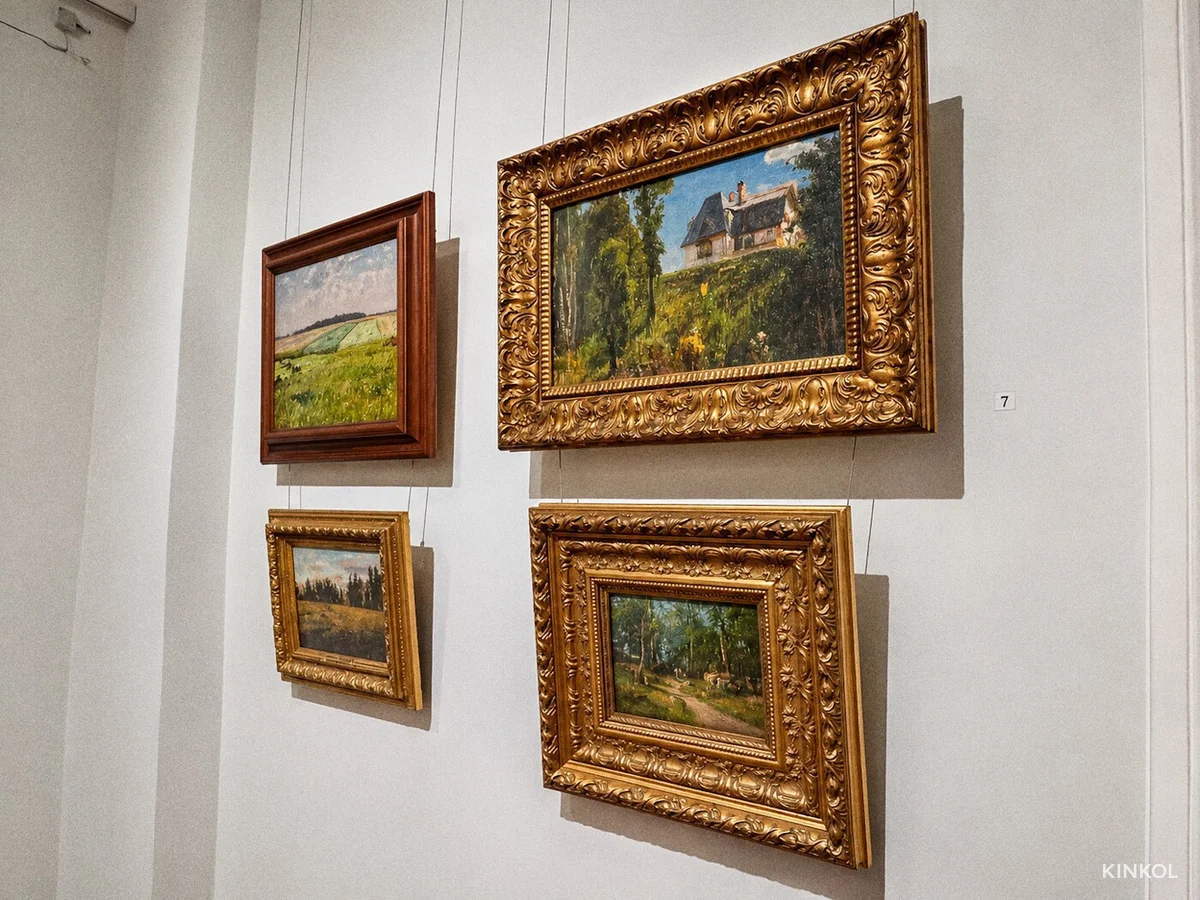
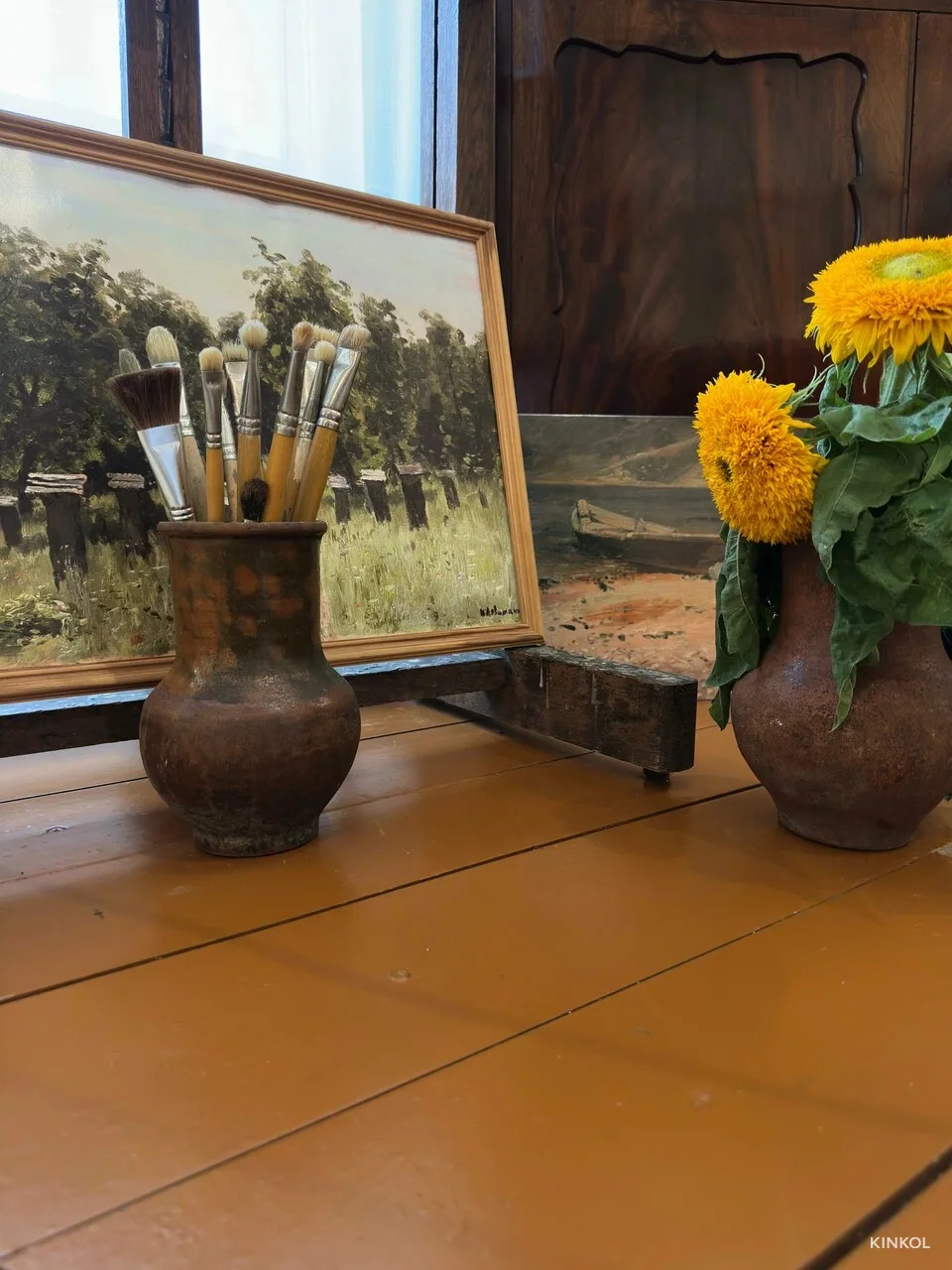
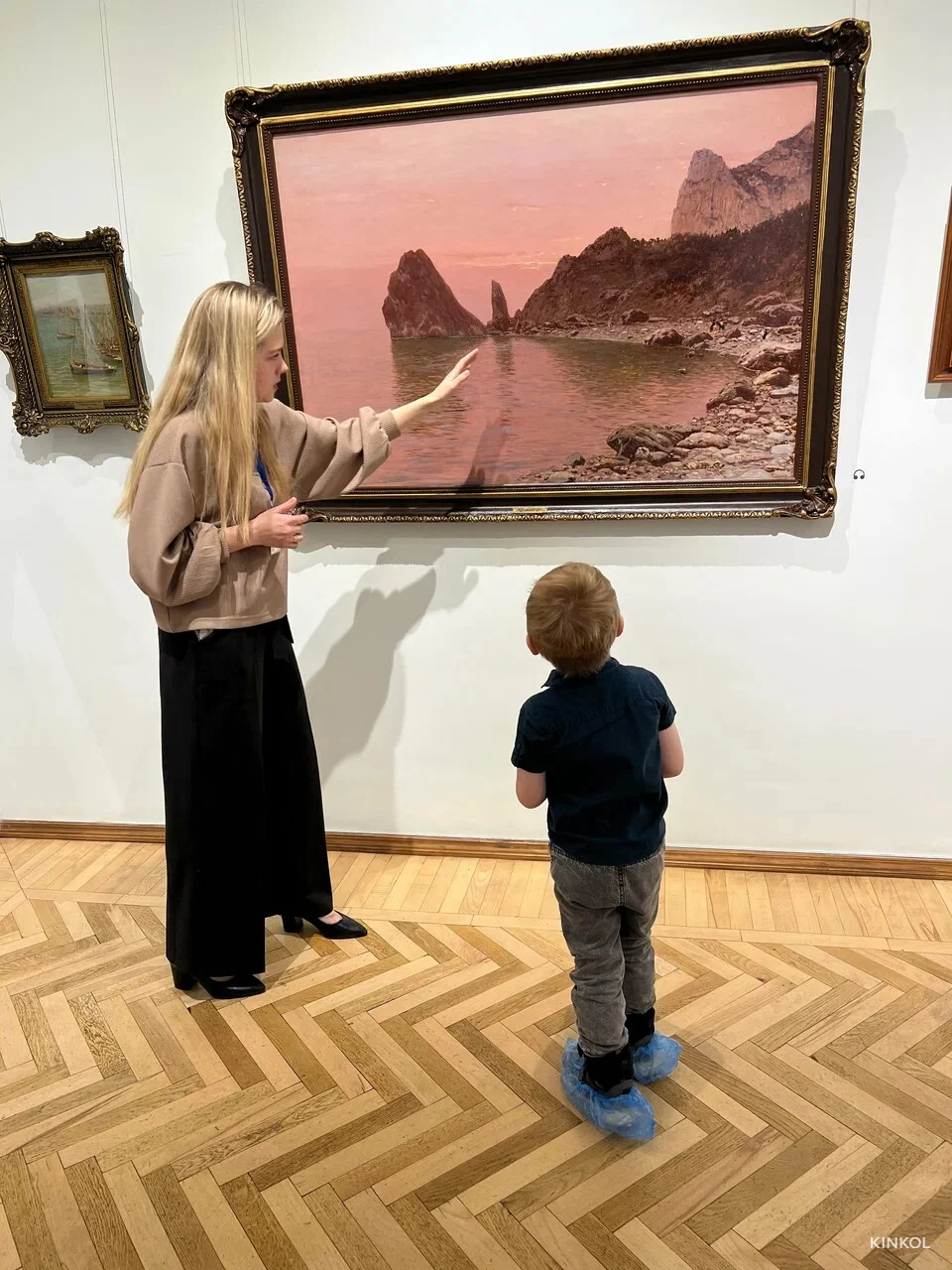
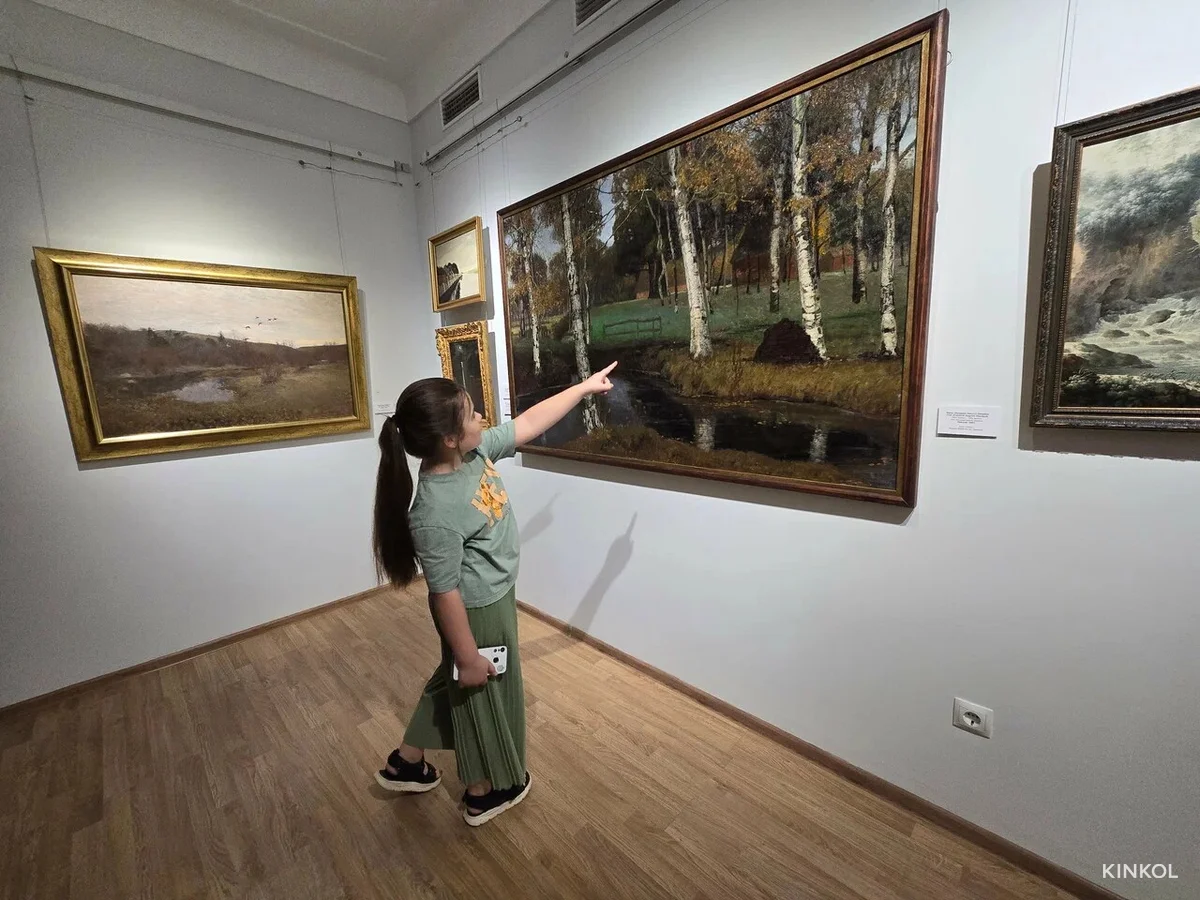
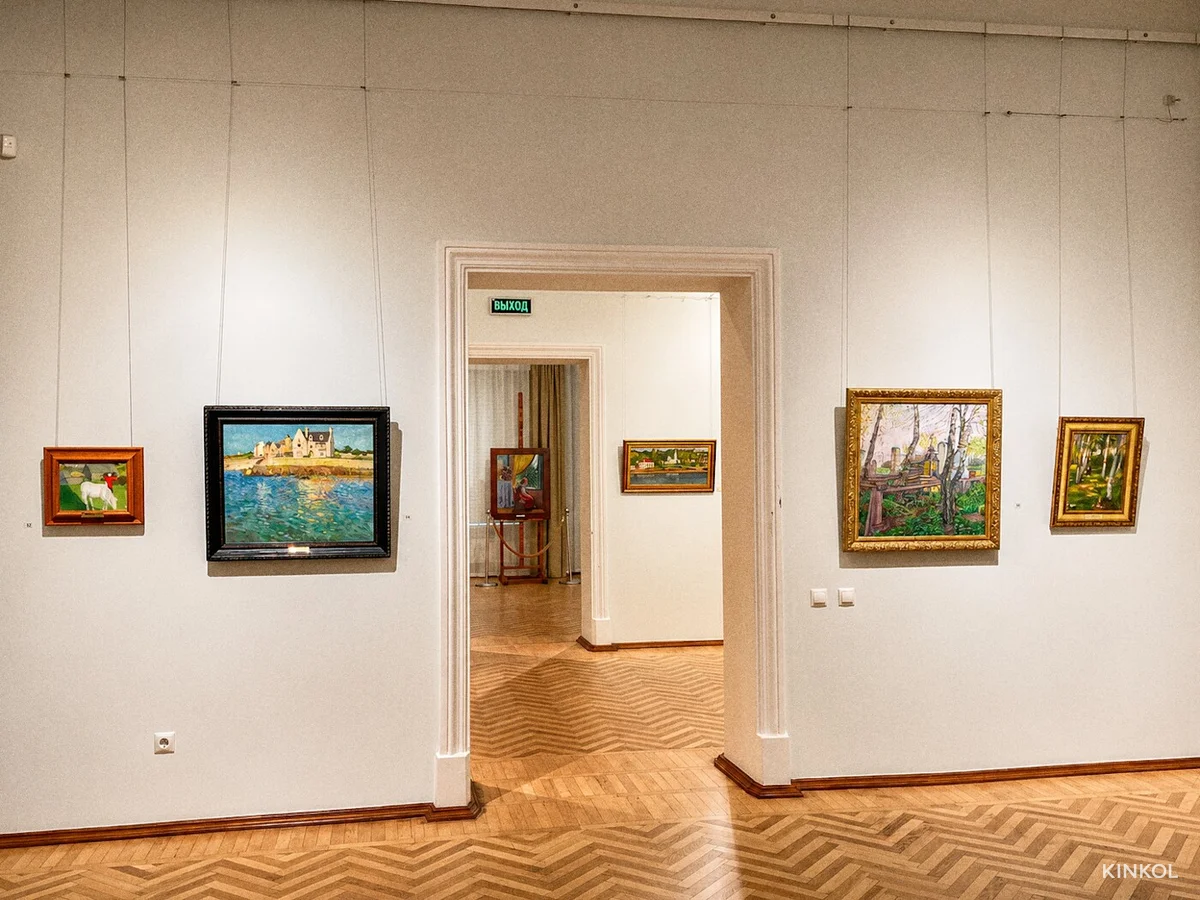
If the Levitan House Museum primarily tells about the life and work of one artist, the Landscape Museum introduces visitors to the development of an entire direction in Russian painting. Opened in 1997, it is the only museum in Russia entirely dedicated to landscape painting and occupies a historic mansion of the Groshkov-Podgornov family on the banks of the Volga. Its collection includes original works by Ivan Shishkin, Alexei Savrasov, Vasily Polenov, Nikolai Dubovsky, Nikolai Krymov, and other masters. The collection covers different artistic schools and allows you to see how the depiction of nature changed throughout the 19th and 20th centuries.
A special place is occupied by the lyrical landscape, in which the artist strives to convey the state of nature, lighting, and mood. This direction is associated with the work of Levitan, his contemporaries, and followers. In the museum, you can compare the realistic style of the Wanderers with the freer painting of 20th-century masters. Visiting the two art museums of Plyos is especially interesting for those who want to delve deeper into Russian landscape art: one shows the personal story of Levitan, while the other helps to understand the artistic tradition to which he belonged.
Porcelain, lacquer miniatures, and artistic crafts
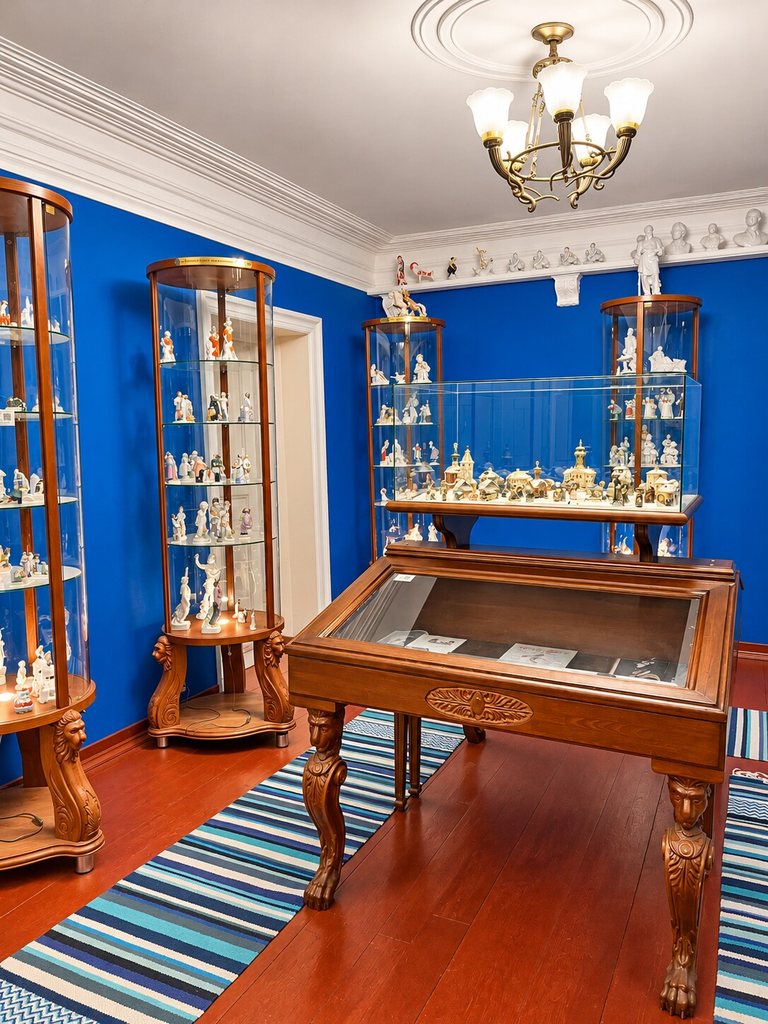
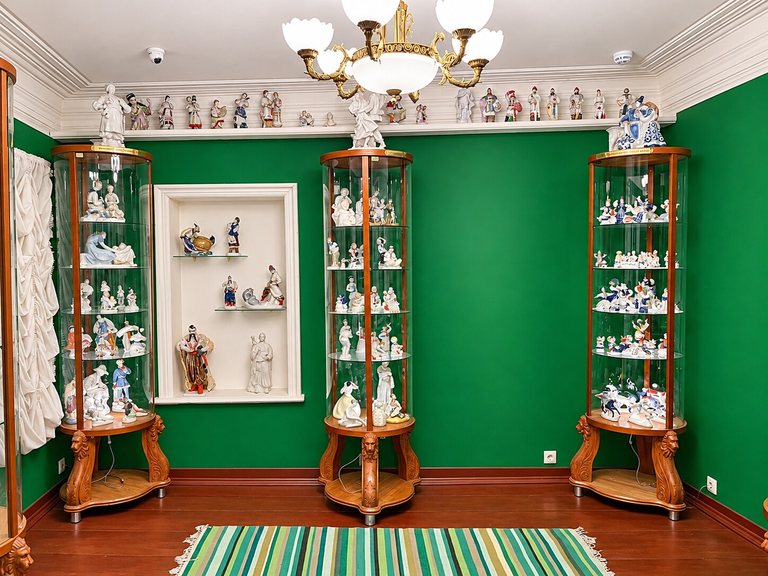
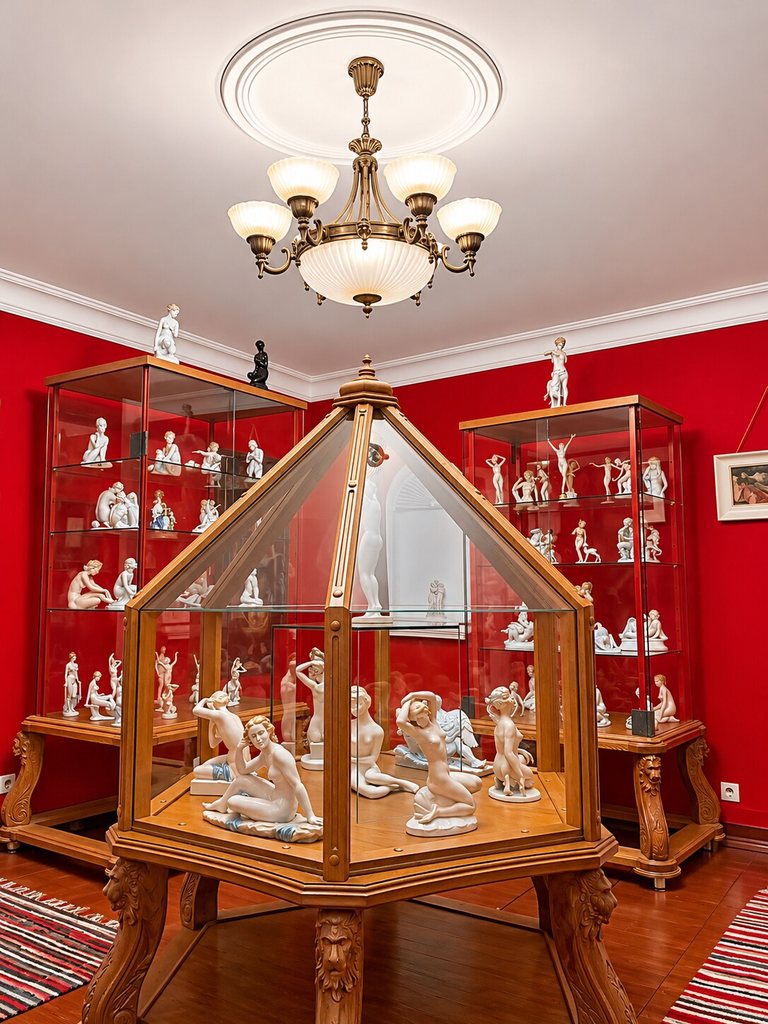
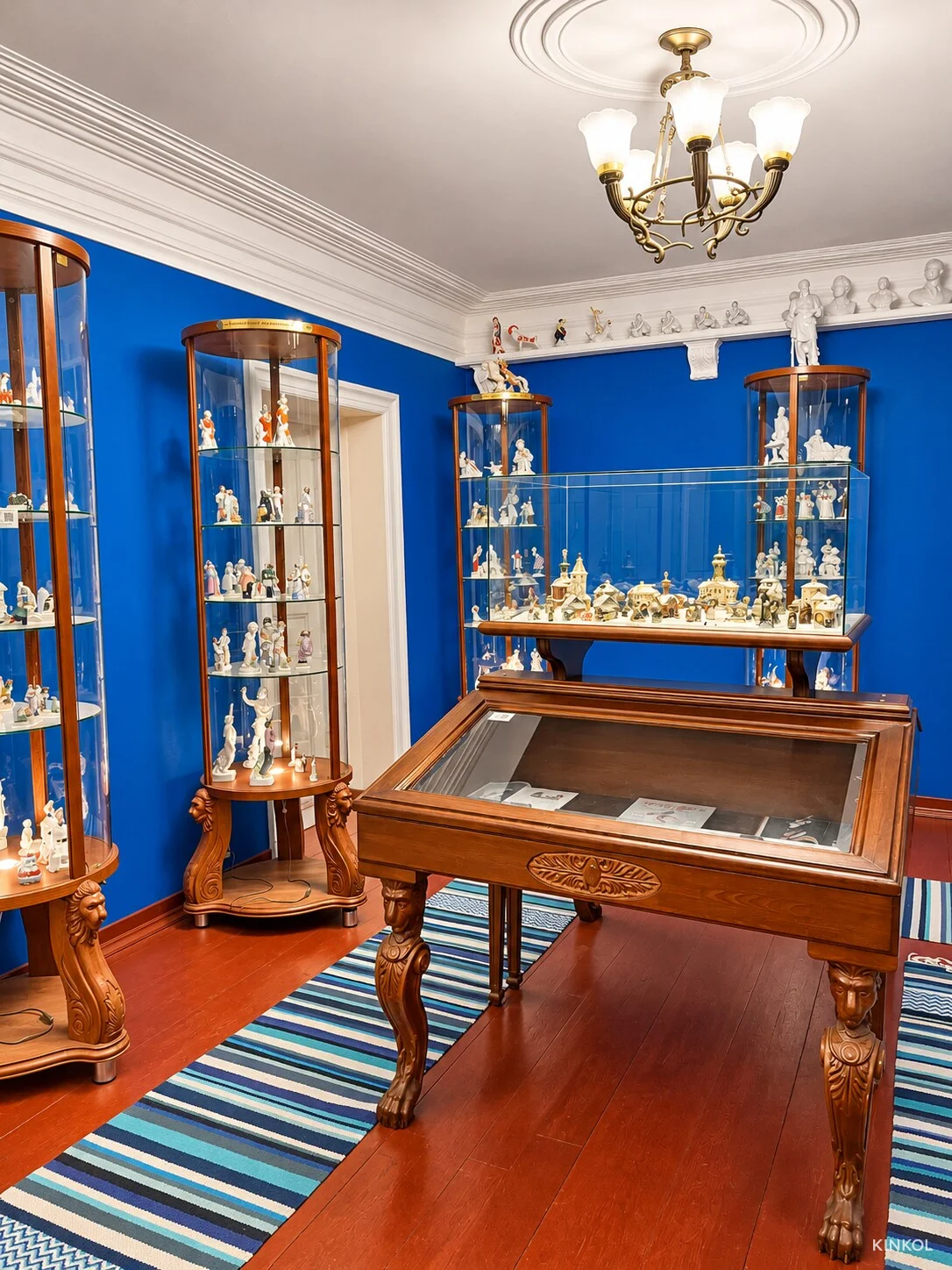
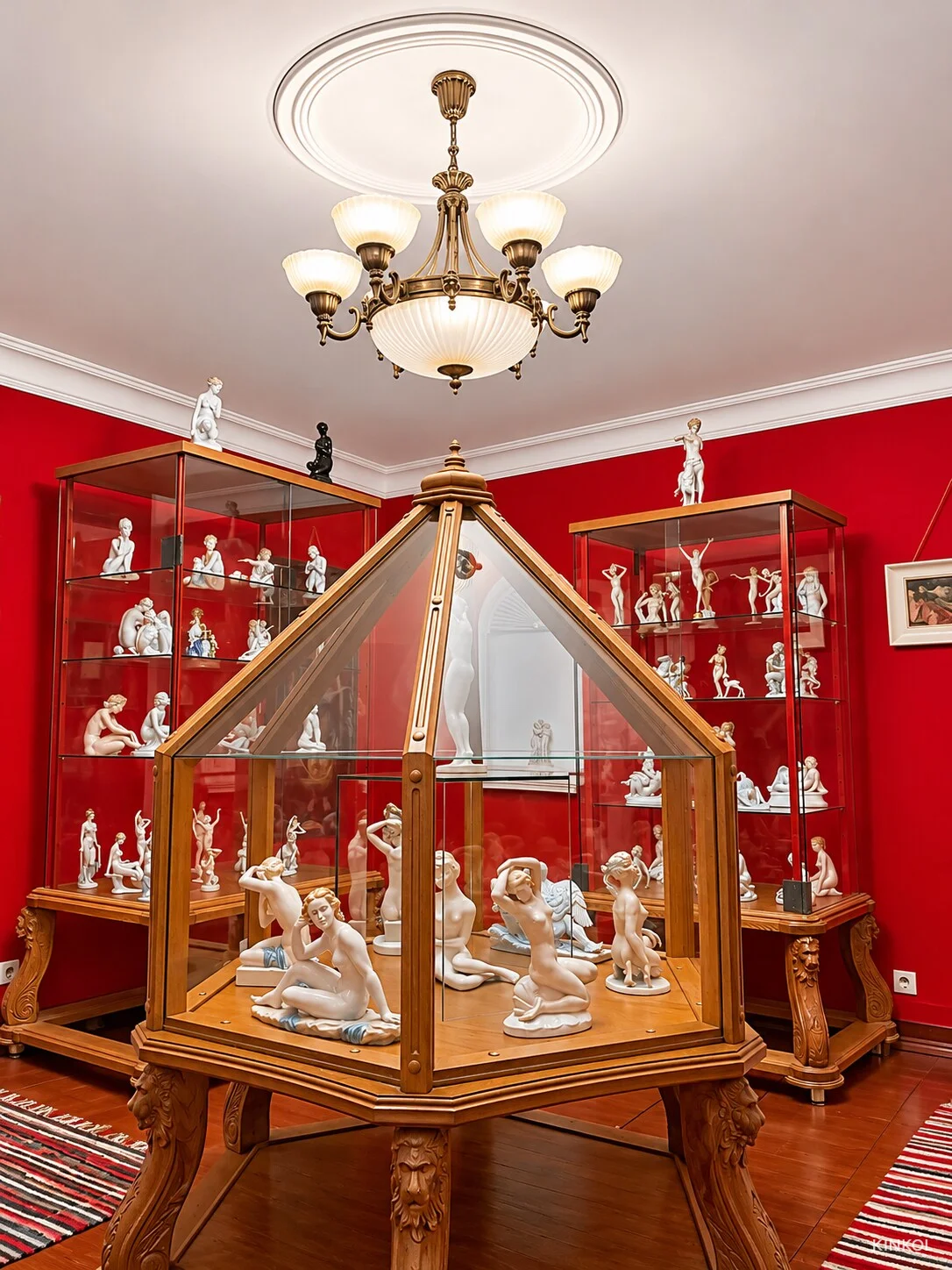
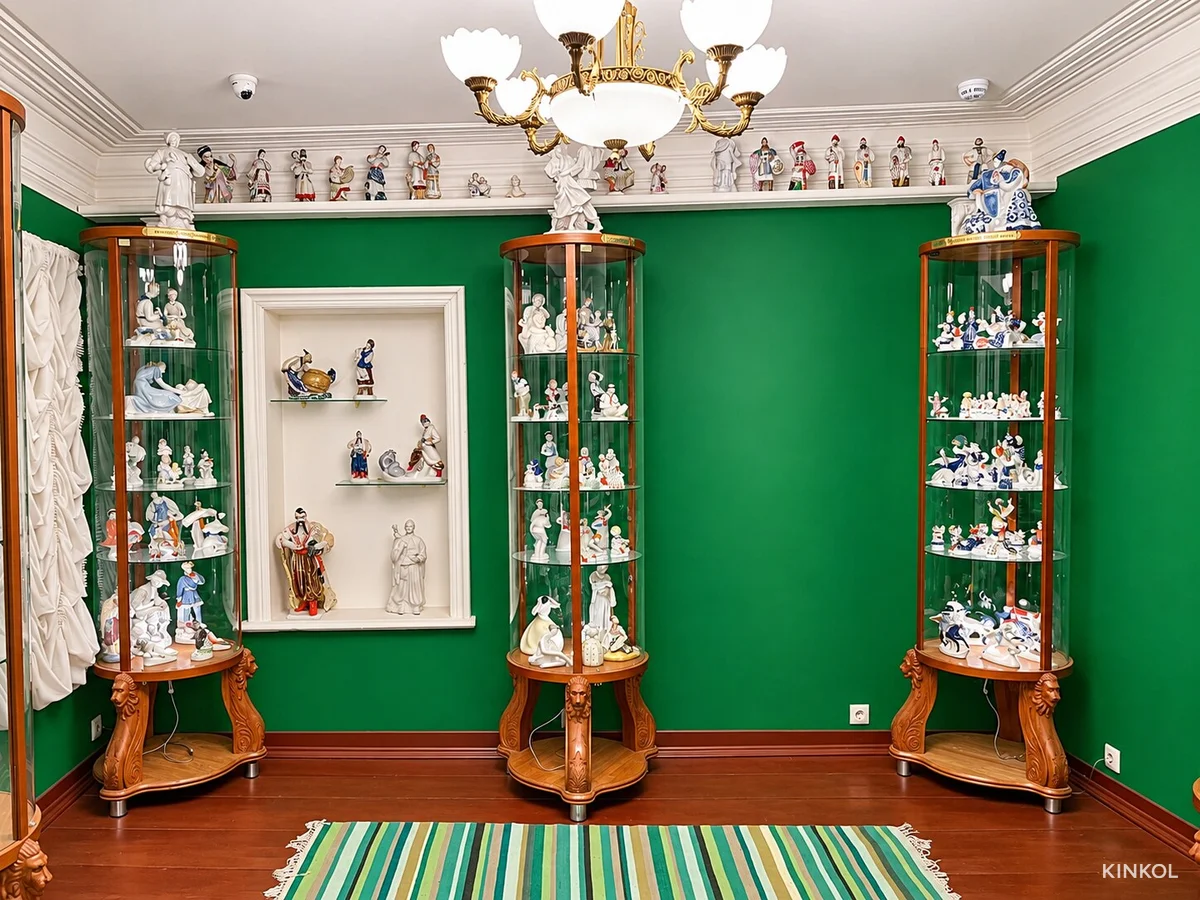
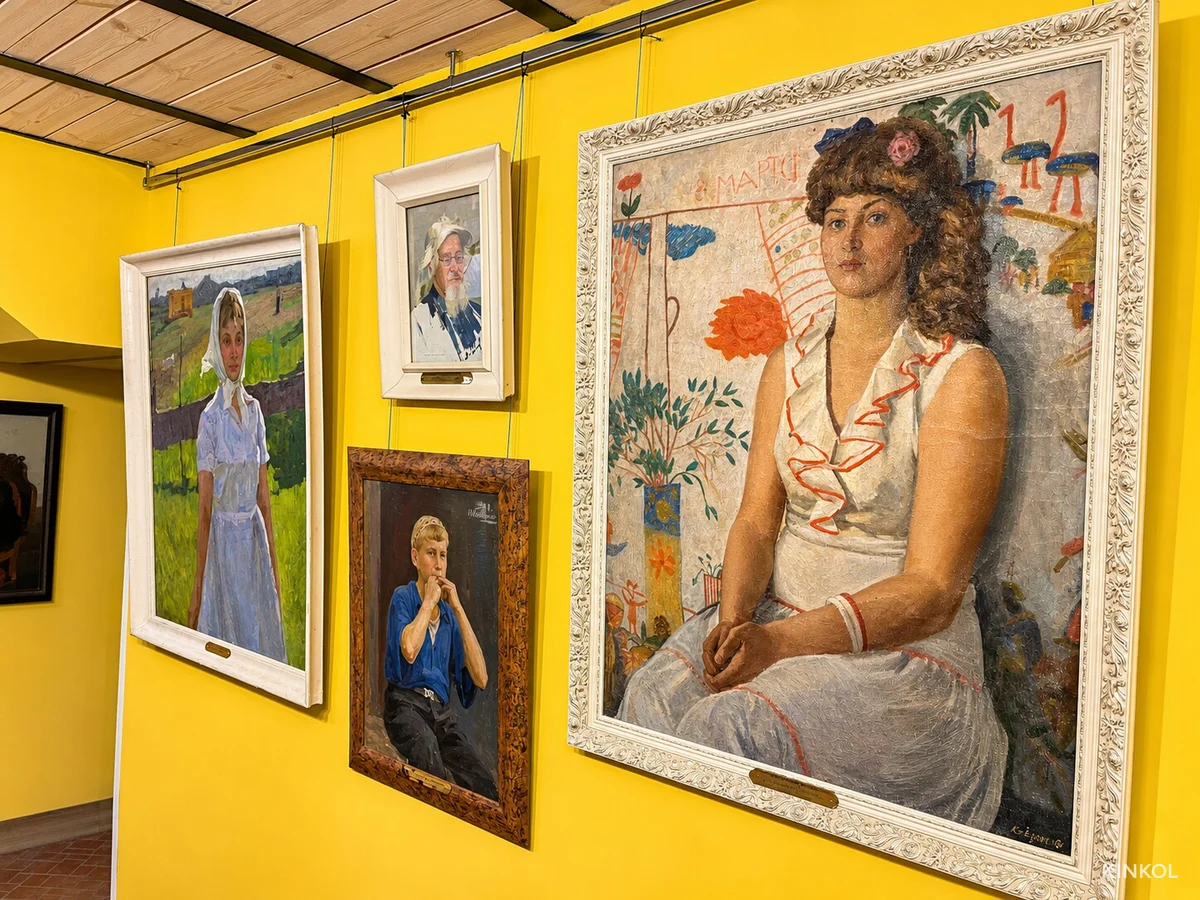
Painting occupies an important place in the museums of Plyos, but the artistic collections of the city are not limited to paintings. The private Museum of Porcelain, Lacquer, and Painting, also known as the "Provincial ART Gallery-M", houses works of decorative art mainly from the 20th century. The core of the collection, created by Yuri Marushkin, consists of porcelain sculptures by Russian, Ukrainian, and Western European masters, lacquer miniatures, ceramics, and silverware. A separate part of the collection is dedicated to the paintings of Vyacheslav Fyodorov and other artists from the Ivanovo region.
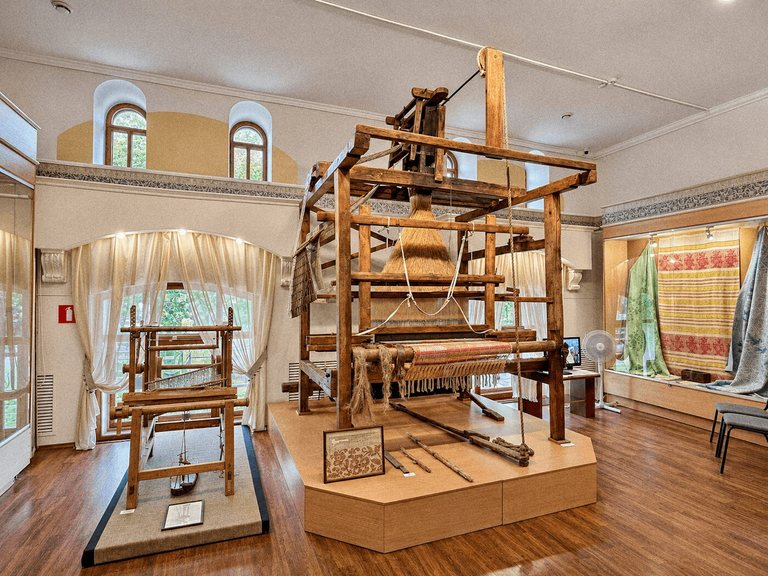
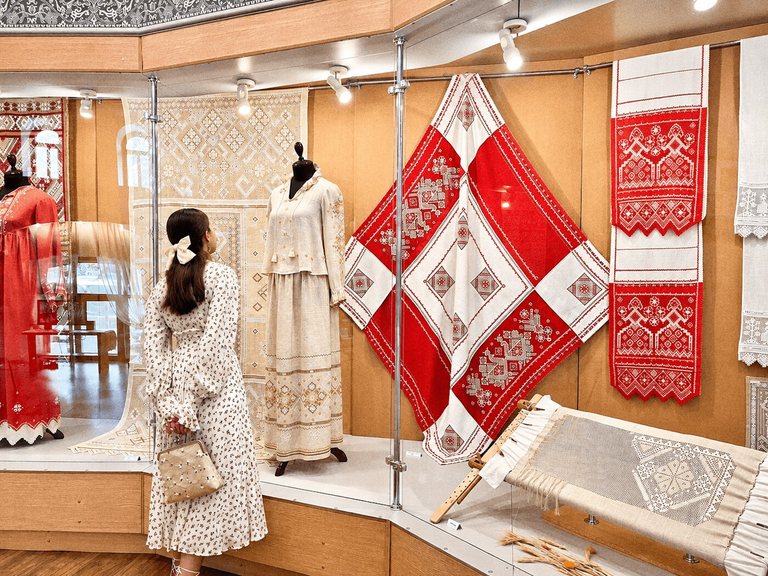
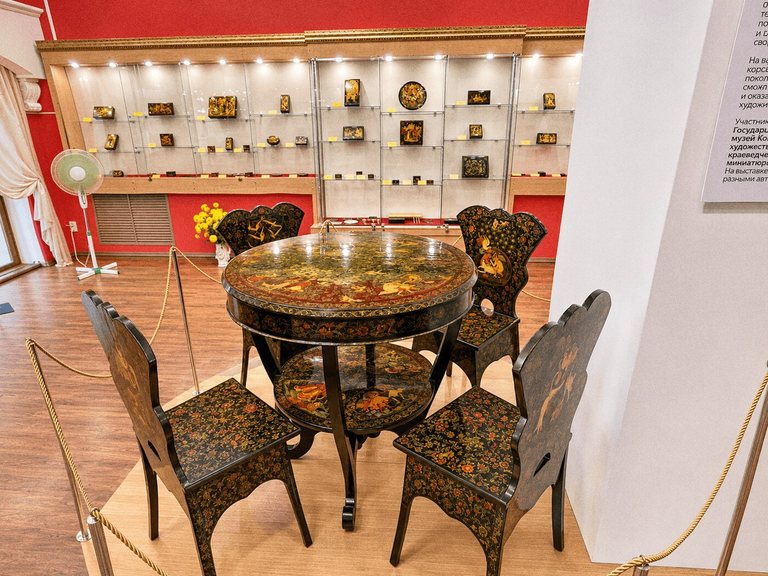
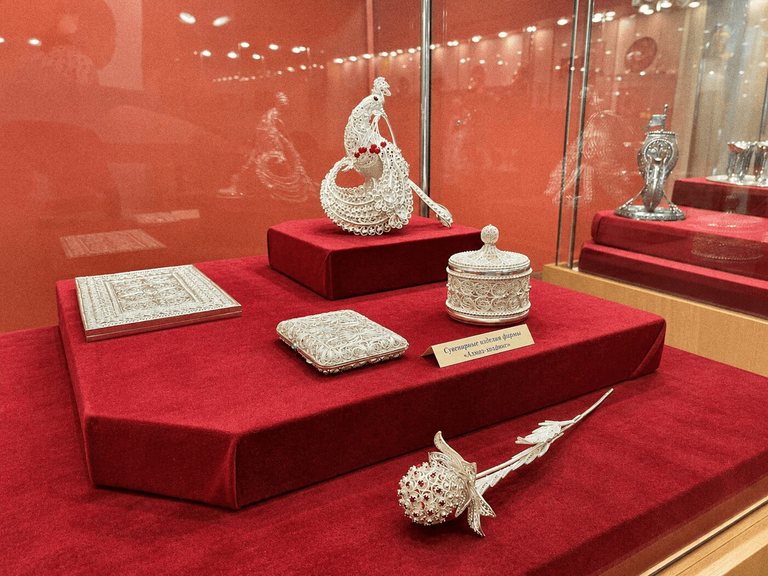
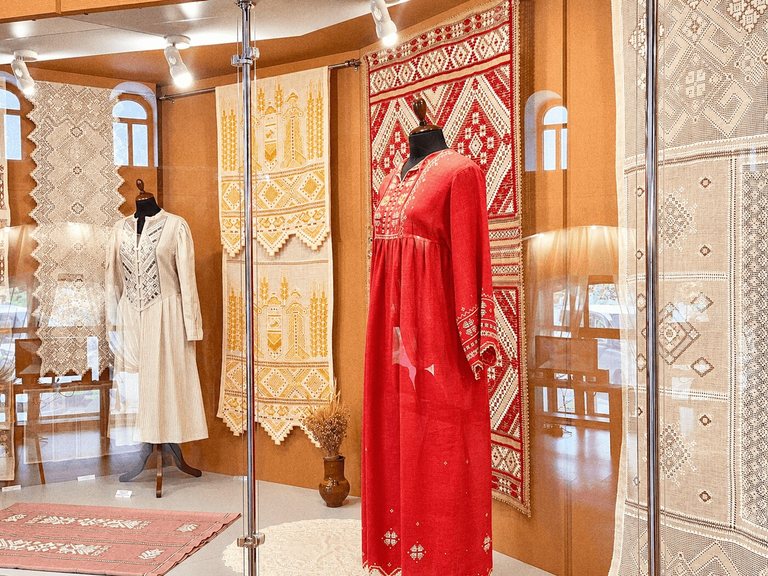
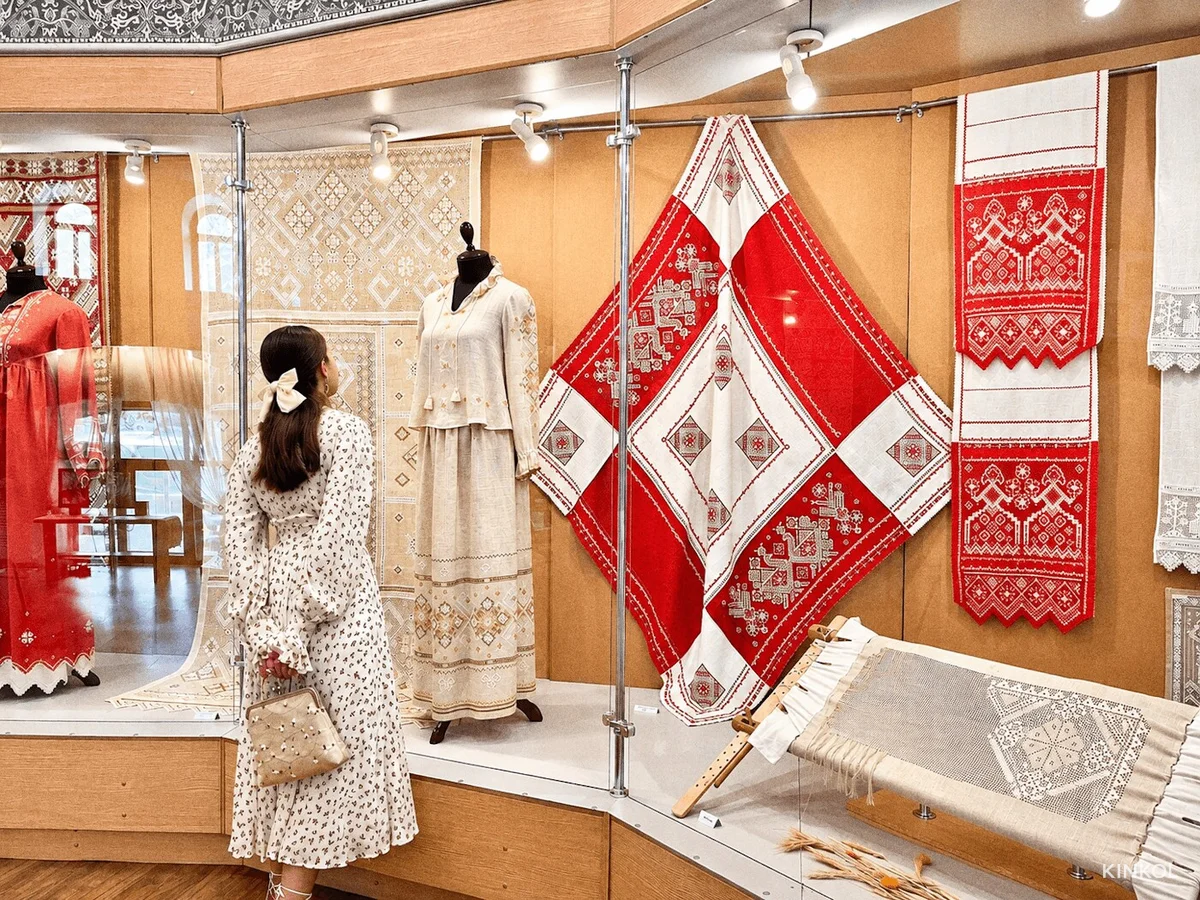
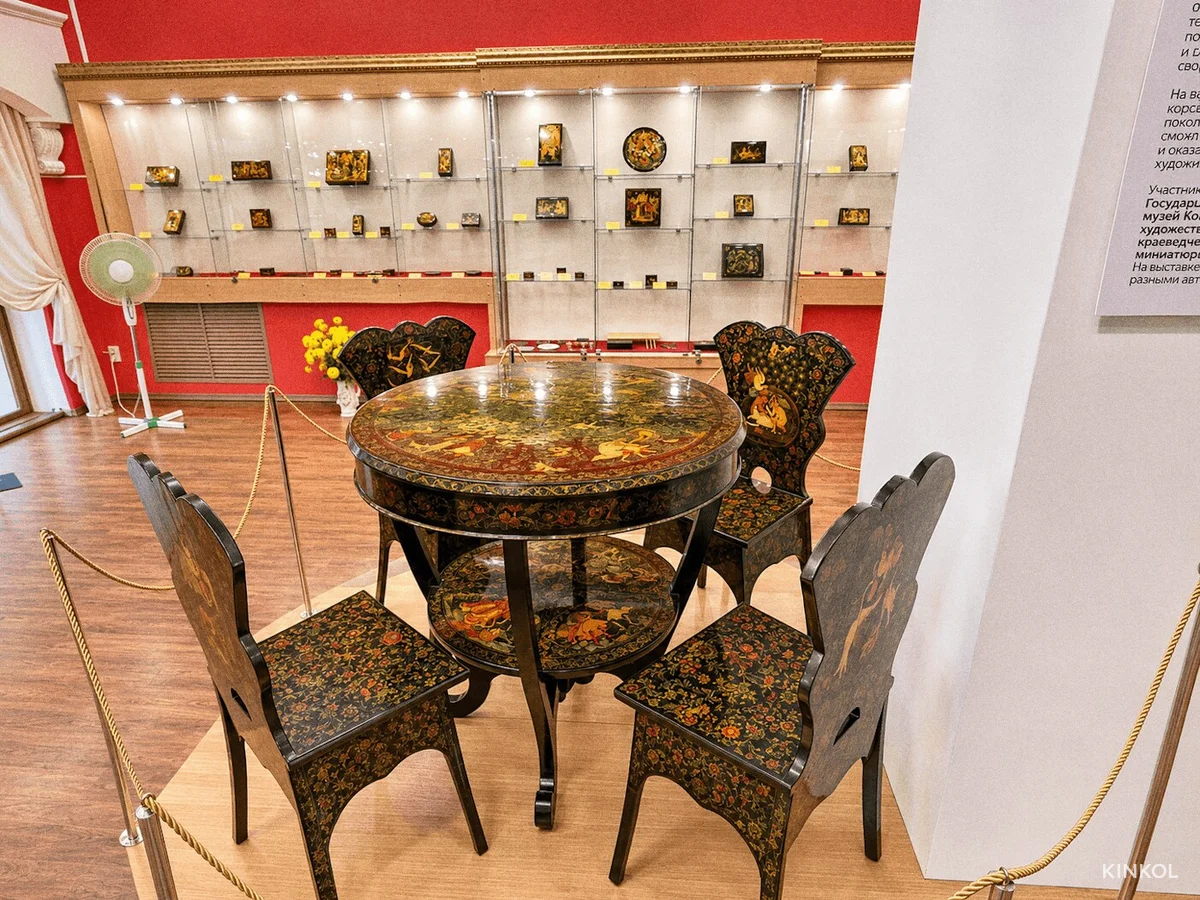
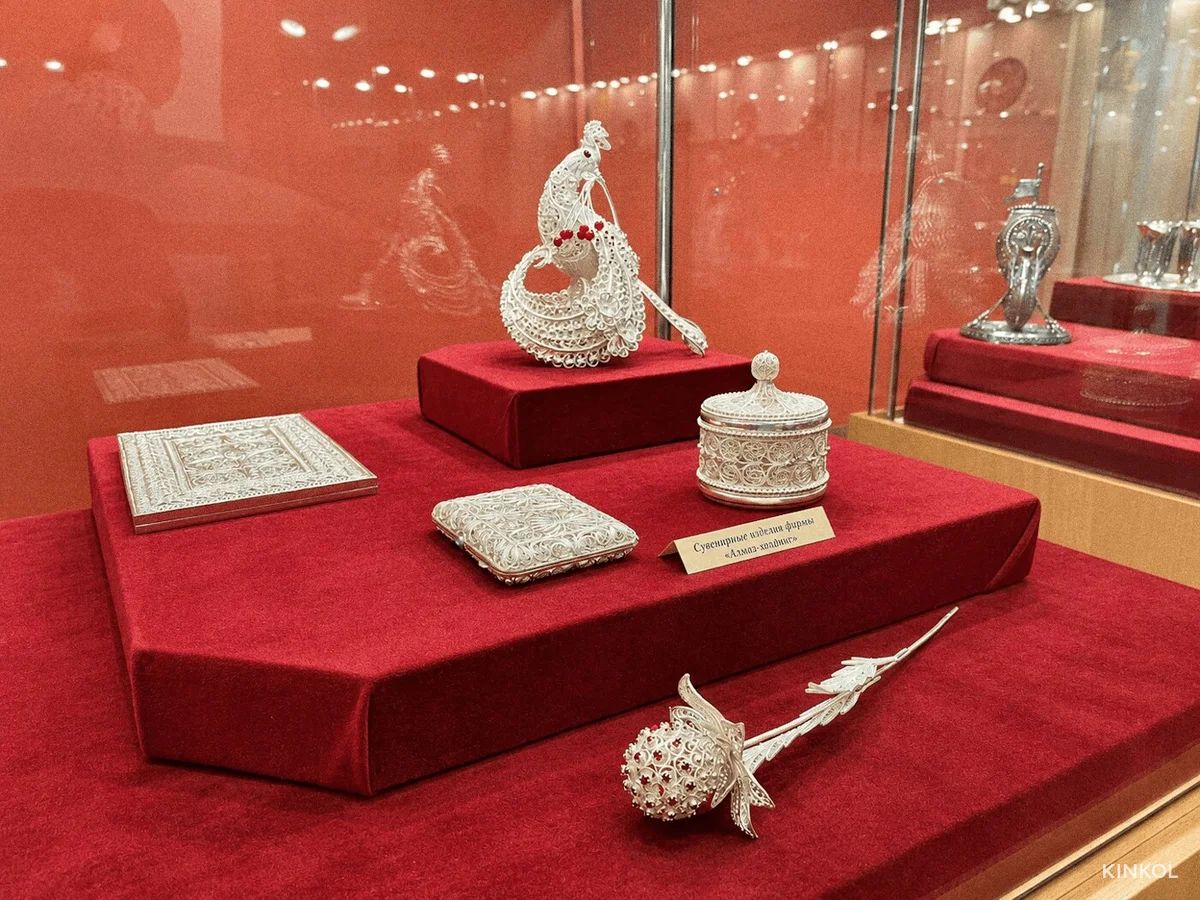
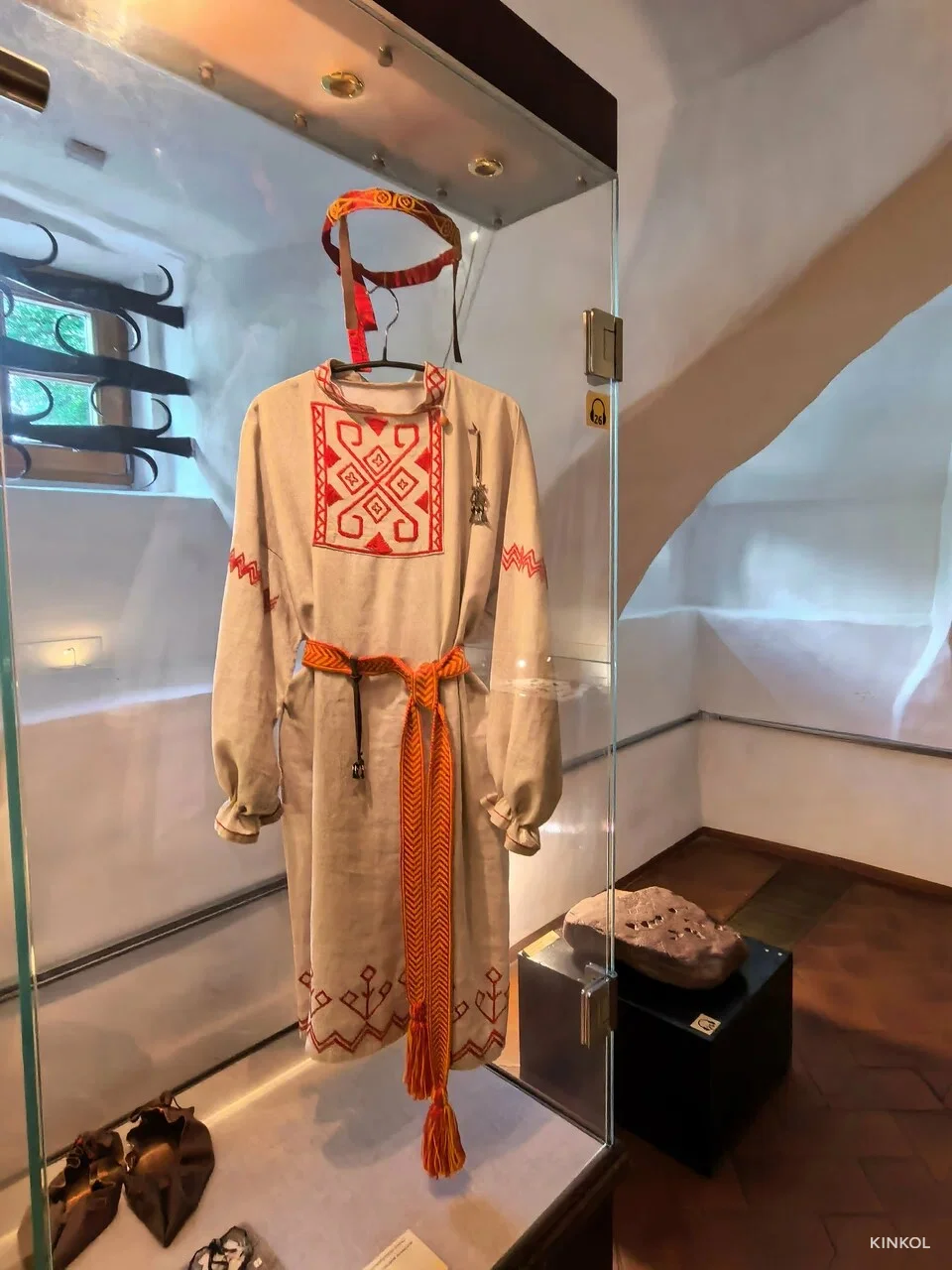
The state exhibition "Art Crafts of the Ivanovo Region" introduces visitors to the artistic traditions of the region. It is located in the former Flour Rows on the banks of the Volga. Here, the famous schools of lacquer miniatures from Palekh and Kholuy, Ivanovo embroidery, linen fabrics, and jewelry art are presented. Among the most notable exhibits are a furniture set painted with fairy-tale scenes by the artist Alexander Kurkin and a working hand-operated Jacquard loom from the 19th century, which was used to create intricate woven patterns.
Both museums are suitable for familiarizing oneself with decorative applied arts, but they reveal it from different perspectives. The private collection is especially interesting for lovers of porcelain, authorial sculpture, and various artistic techniques. The exhibition of folk crafts focuses on regional heritage and shows how traditional craftsmanship manifested itself in everyday items: fabrics, furniture, jewelry, and painted products.
The historical museum and the archaeology of ancient Plyos
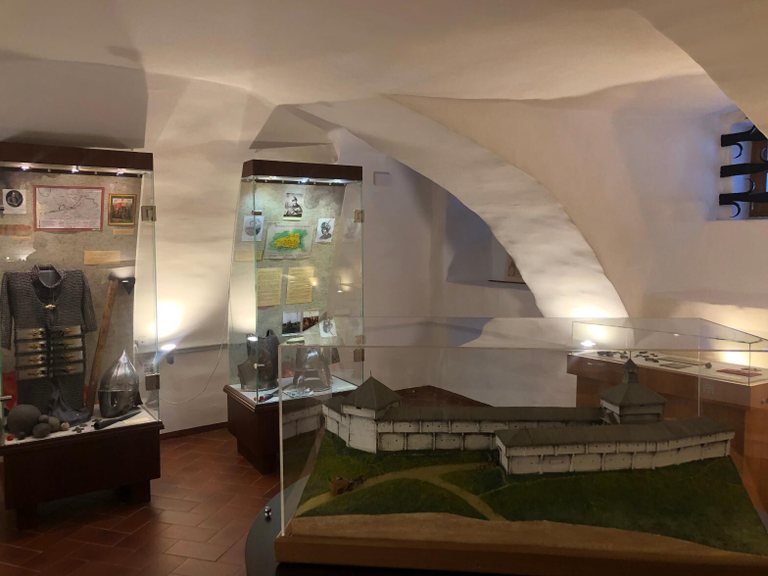
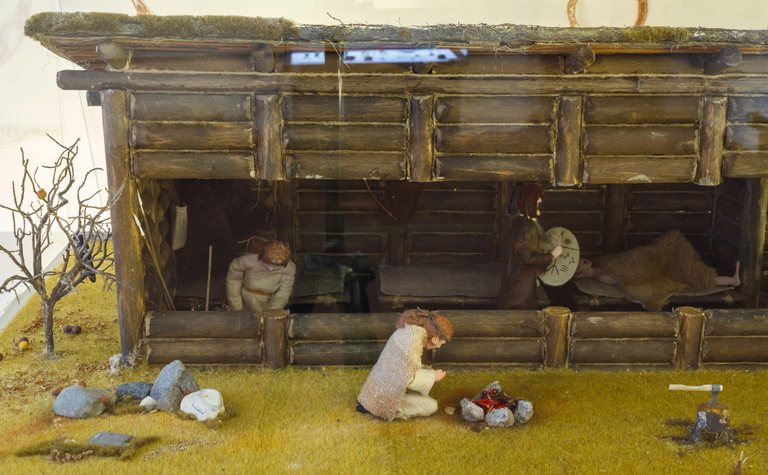
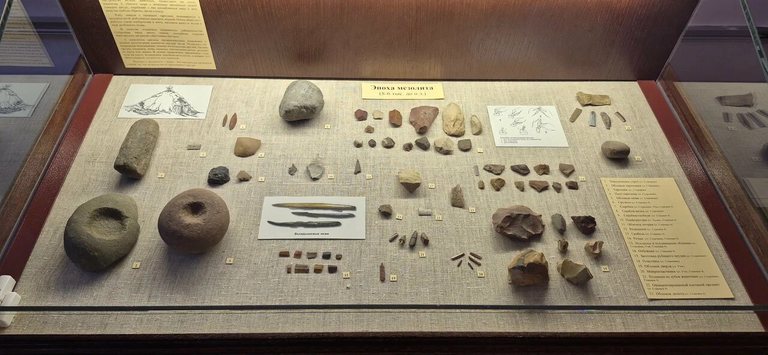
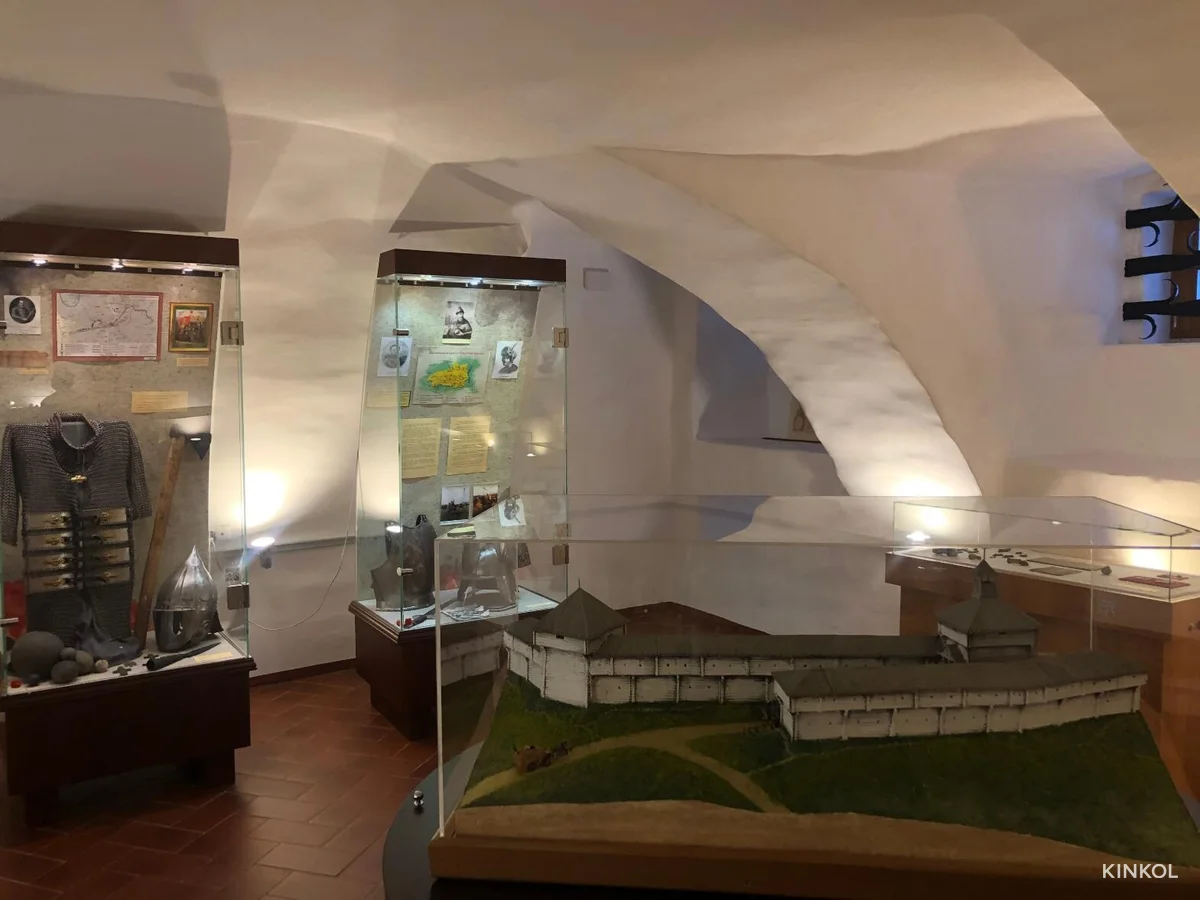
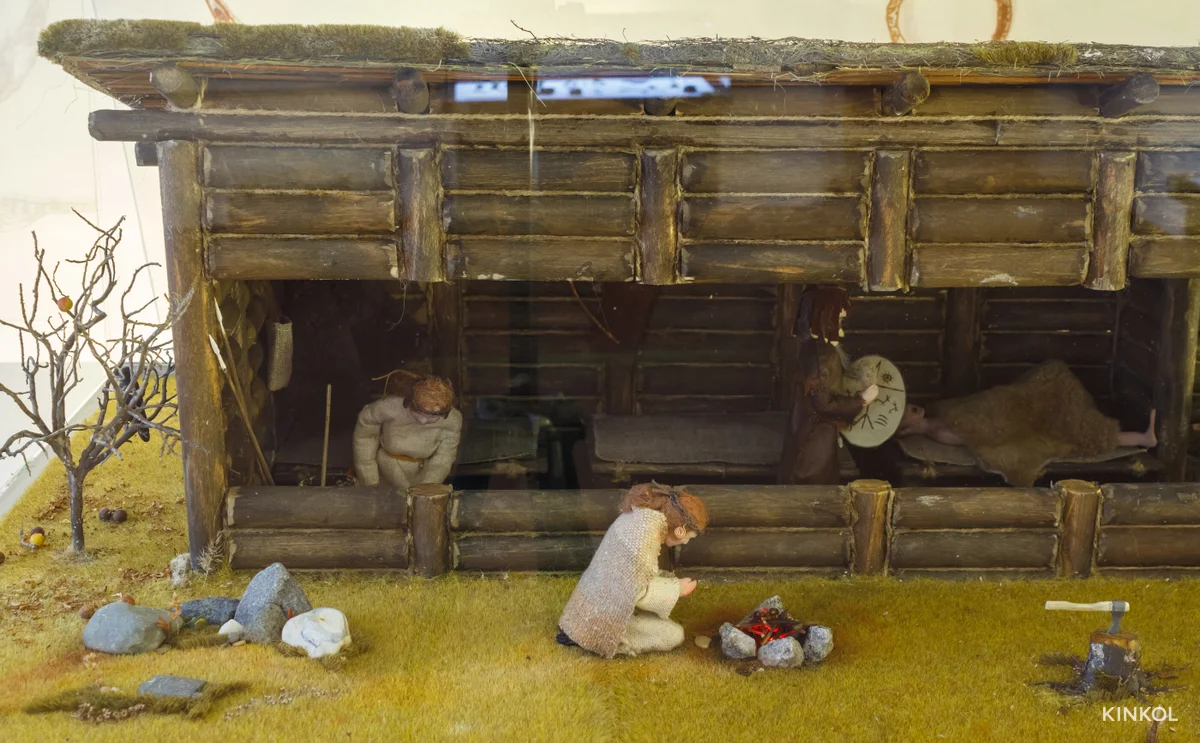
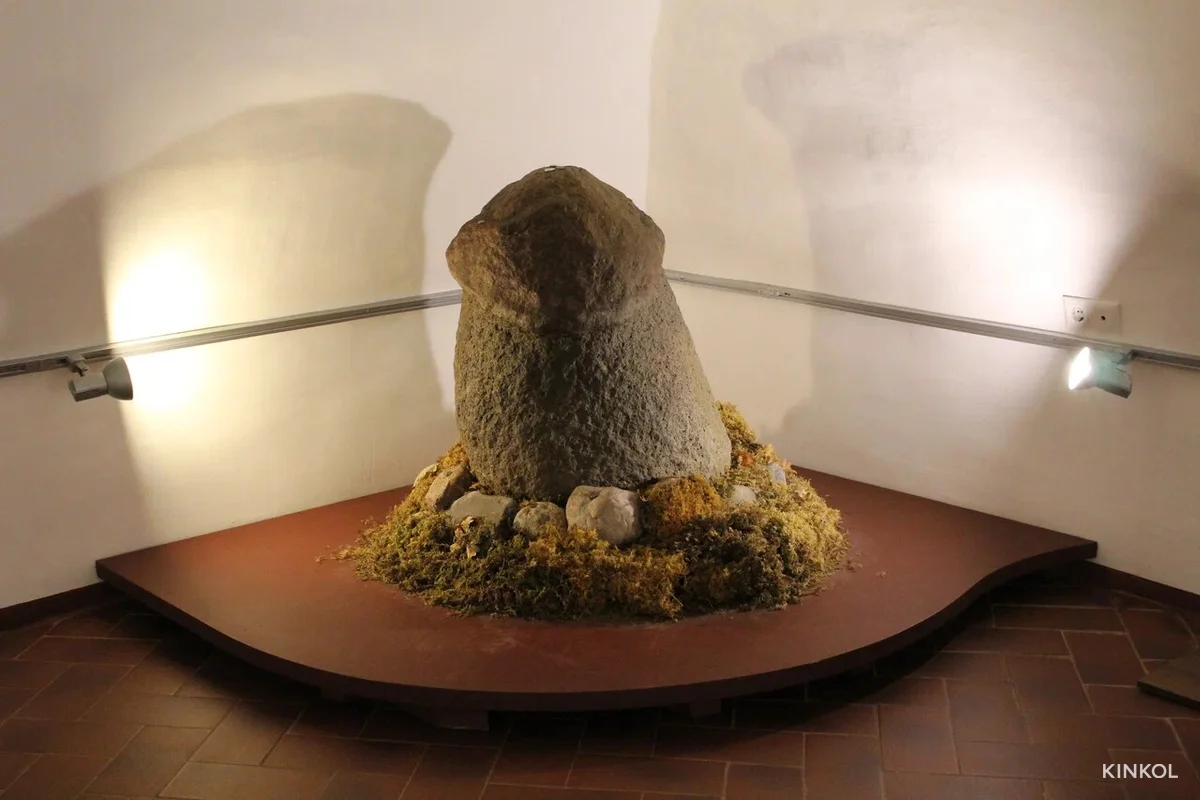
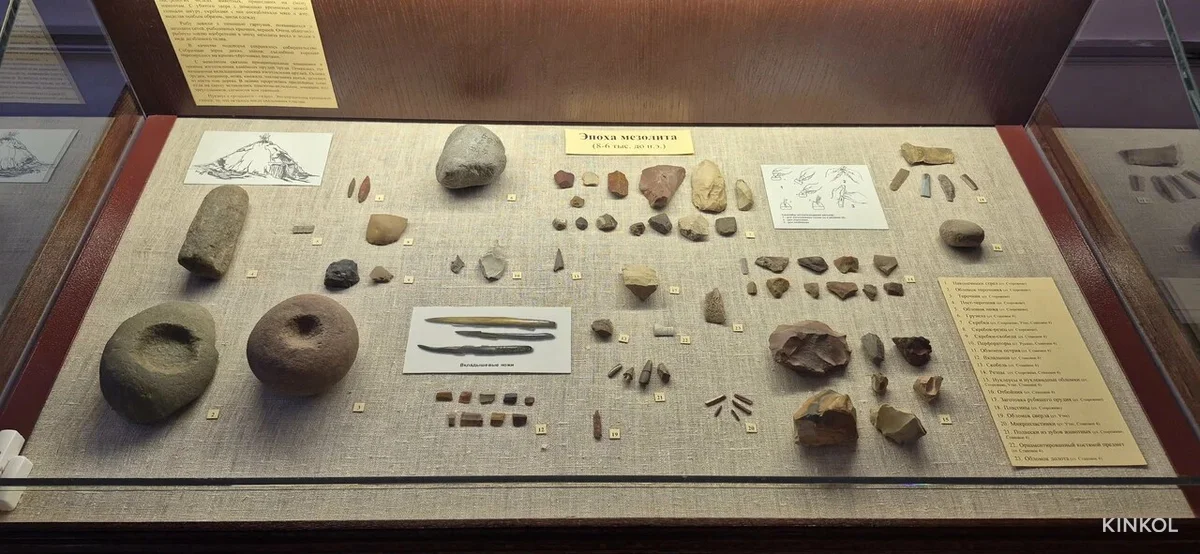
The historical past of the city is revealed by the permanent exhibition "Ancient Plyos and the Ivanovo Land", located in the ancient vaulted halls of Presence Places on Sobornaya Gora. This is the main historical and archaeological museum of Plyos, covering the period from the earliest settlements to the early 17th century. The collection allows you to trace the lives of people in the territory of modern Ivanovo region long before the emergence of the Russian city, learn about Finno-Ugric tribes, ancient beliefs, crafts, and the development of settlements along the Volga.
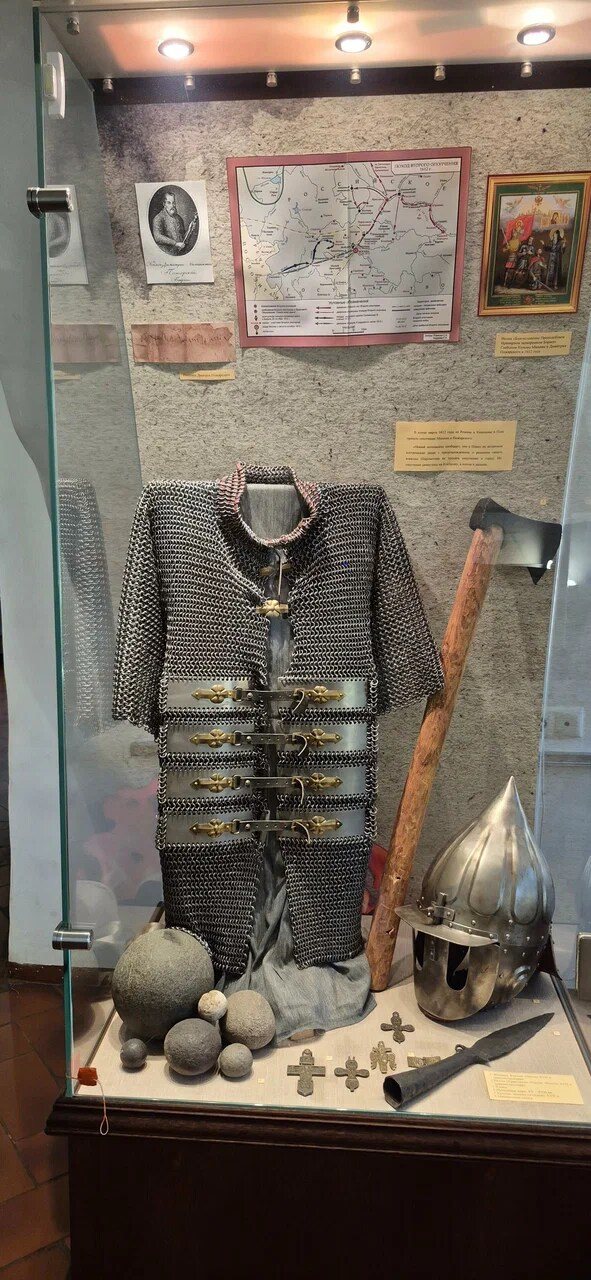
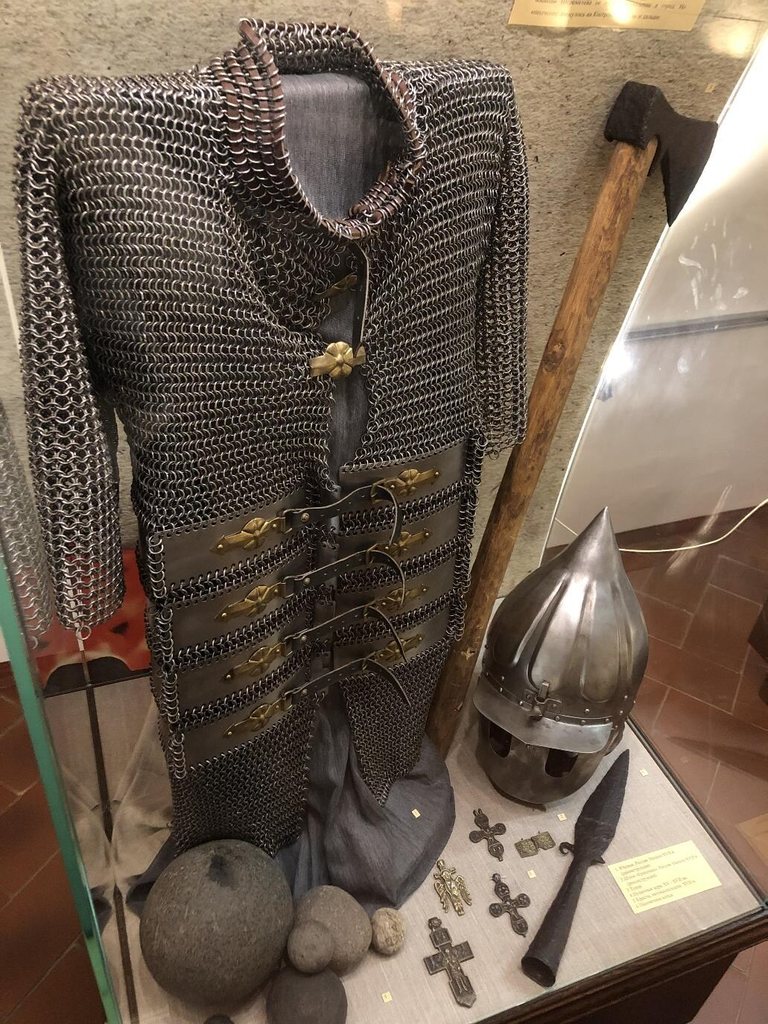
The exhibits include archaeological finds, jewelry, weapons, household items, and medieval armor. A special place is occupied by the Alabuga treasure of the 7th century, which contains hundreds of ancient ornaments. Models of fortresses and defensive structures help to imagine what medieval Plyos looked like, while anthropological reconstructions and interactive elements complement the acquaintance with the past. Visiting this exhibition can be conveniently combined with a walk on Sobornaya Gora, where in 1410, by order of Prince Vasily I, the Plyos fortress was built.
Permanent museum exhibitions and temporary exhibitions
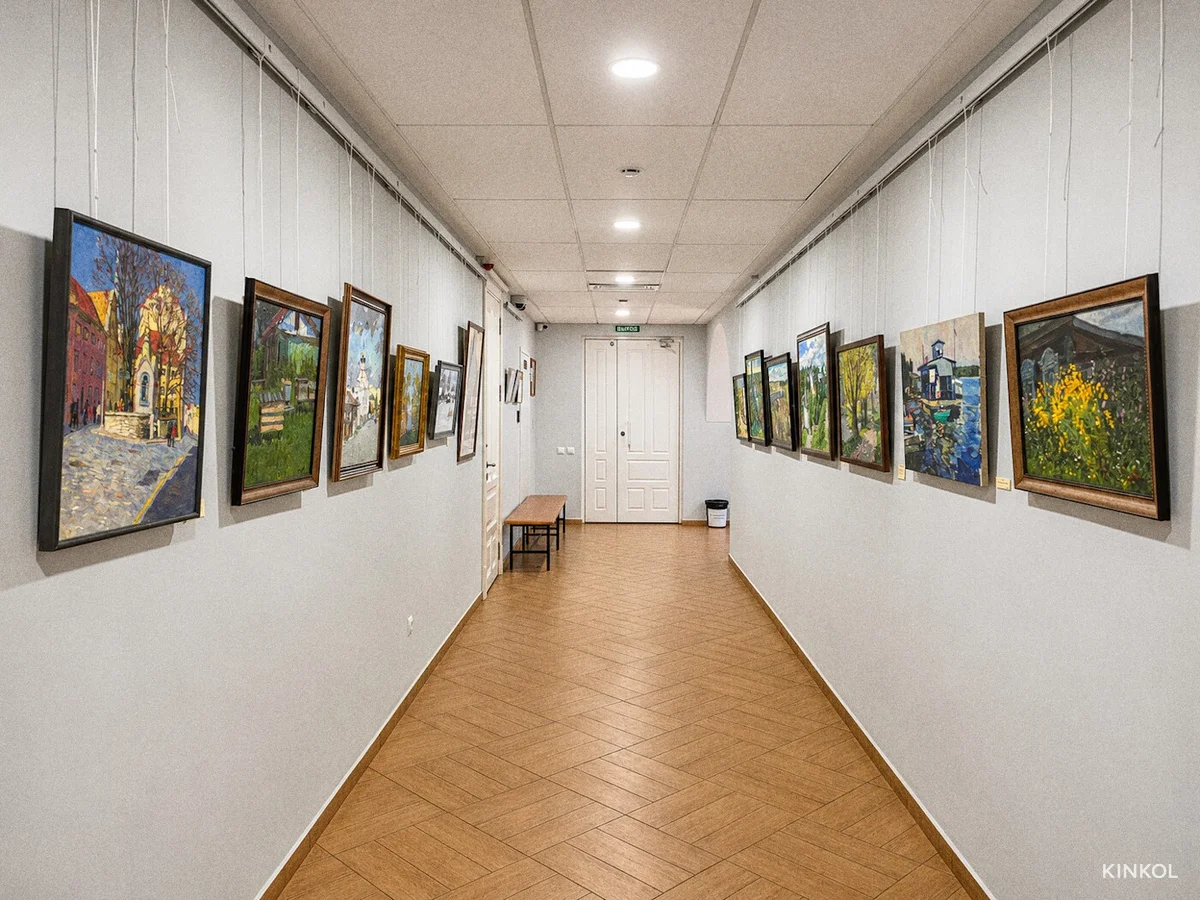
Permanent exhibitions form the basis of the museum catalog of Plyos, but the artistic life of the city continues beyond these collections. Temporary exhibition projects are held at the Landscape Museum and the "Presence Places" complex. They showcase works from the collections of other museums, private collections, and works by contemporary artists. As a result, the composition of the presented works may change, and familiar venues regularly open up to visitors from a new perspective.
A separate exhibition space is the Levitan Cultural Center, where artistic and cultural events take place. Unlike permanent museums, temporary exhibitions are limited to specific dates and may require a separate ticket. When planning your trip, it is useful to check the section "Exhibitions in Plyos", dedicated to the exhibition program of the city.
Which Plyos museums to visit first
If you are visiting Plyos for the first time and only have time for one museum, the most obvious choice is the Levitan House Museum. It is most closely connected to the cultural history of the city and allows you to get acquainted with the artist who made Plyos a special place in Russian art. If you are more interested in painting than the artist's biography, you should prefer the Landscape Museum. To learn about the history of the city, it is better to choose the archaeological exhibition at the Presence Places.
If you have time for two museums, you can combine the Levitan House Museum and the Landscape Museum. They are located on the same street and reveal interconnected themes. Another option is to visit the Levitan House Museum and "Ancient Plyos and the Ivanovo Land" to get acquainted with two important aspects of the city's history: the medieval past and the artistic heritage of the 19th century.
For those who have already visited the main museums of Plyos, it is worth paying attention to the lesser-known collections. Porcelain, lacquer miniatures, ancient weaving, and paintings by Ivanovo masters differ significantly from the usual museum exhibitions. For a thorough acquaintance with all the presented museums, it is better to allocate a separate day or spread visits over two days, leaving time for walks in the historical center.
Plyos museums for visiting with children
With children, it is more convenient to start with exhibitions where unusual items, models, and historical reconstructions can be viewed. The museum "Ancient Plyos and the Ivanovo Land" features models of ancient fortifications, weapons, jewelry, and reconstructions of the appearance of people from past eras. The virtual fitting room for historical costumes helps make acquaintance with archaeology more visual. This format may interest schoolchildren studying ancient and medieval history.
In the decorative arts museums, children will be interested in porcelain figurines, fairy-tale scenes of Palekh miniatures, and unusual painted furniture. A visit to the Levitan House Museum can be combined with a walk through the places depicted in the artist's paintings. When choosing a family program, it is important to consider the child's age and not to plan too many exhibitions in a row: for young visitors, alternating museum halls with walks around the city is usually more convenient than a prolonged viewing of several collections.
Where the museums of Plyos are located and how to combine them into a walk
The main museums of the city are concentrated in the historical center. On Lunacharsky Street, along the banks of the Volga, are the Levitan House Museum and the Landscape Museum. On Soviet Street is the exhibition "Art Crafts of the Ivanovo Region", and on Sobornaya Gora is the museum and exhibition complex "Presence Places". These sites can be conveniently combined into a walking route with a visit to the embankment, the Trading Square, and the main viewpoints of the city.
You can start your museum walk at Sobornaya Gora, get acquainted with the archaeological exhibition, then descend to the Volga and continue along the embankment through the historical center to the art museums. The Private Museum of Porcelain, Lacquer, and Painting on Nikolskaya Street in Zarechye deserves special attention. It is better to coordinate your visit in advance and include it in your route considering the time of appointment. If you want to not only view the collections but also calmly explore the ancient streets, architecture, and Volga panoramas, do not fill your entire day with museum visits.
Tickets, opening hours, and tours in Plyos museums
The ticket prices in Plyos museums depend on the specific exhibition and the visitor category. State museums have separate rates for adults, schoolchildren, and students, and some categories have discounts. The Plyos Museum-Reserve also participates in the "Pushkin Card" program. Tickets for its exhibitions can be purchased at the box office or through the official website. The Private Museum of Porcelain, Lacquer, and Painting operates by appointment only, so visits must be coordinated with the organizers.
The opening hours of the museums depend on the season. The state museum complex has days off and technical breaks, and the schedule of individual exhibitions may temporarily change due to exhibitions or organizational events. Before your trip, it is advisable to check the opening hours of the chosen museum and ensure that the desired exhibition will be available on the day of your visit.
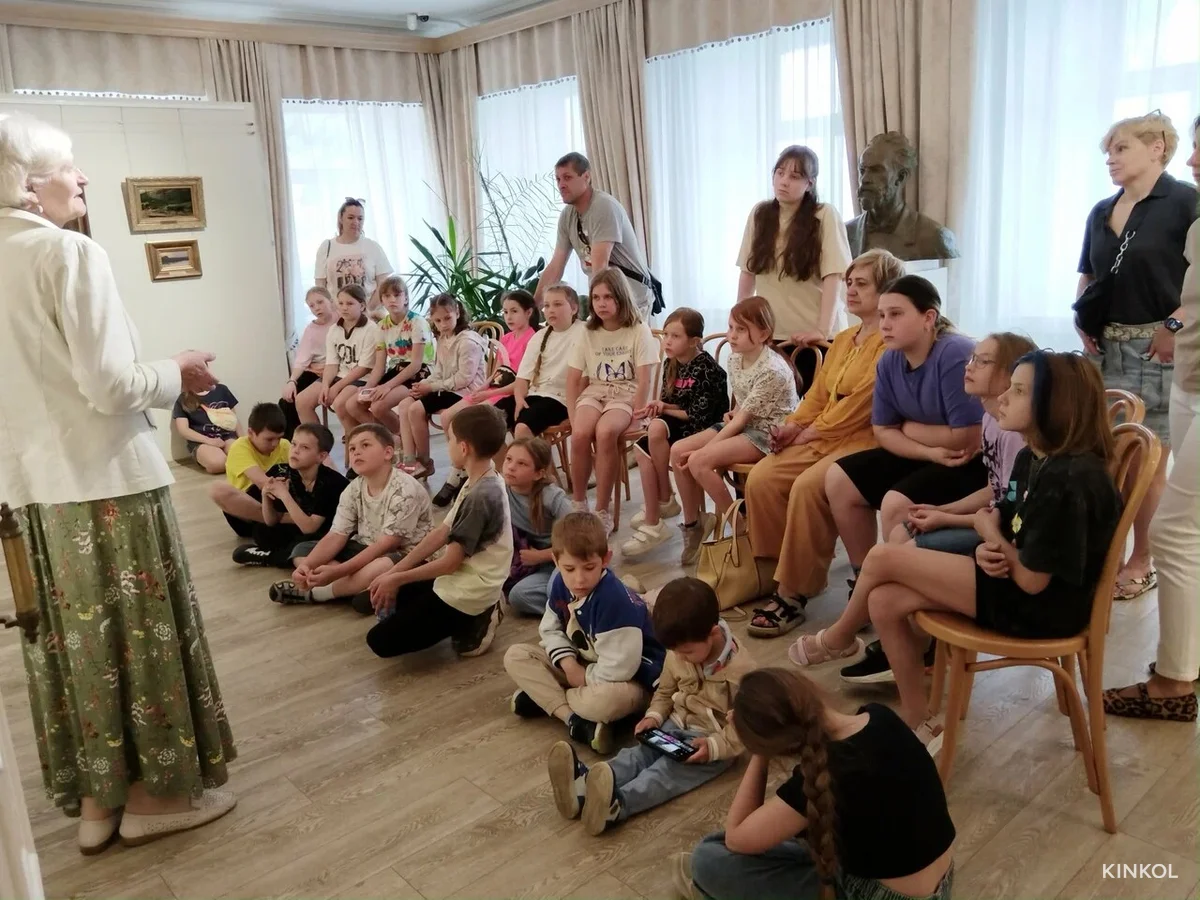
In the Plyos Museum-Reserve, you can order guided tours, including for organized groups. A tour is especially useful in the Levitan House Museum and the historical and archaeological exhibition, where many details are related to biographies, historical events, and the origins of the exhibits. Addresses, prices, photos, visitor reviews, and contact information can be found in the museum cards on this page.
Traveler Reviews
Answers to questions
Monday is a day off in all state museums of Plyos. Additionally, each exhibition has a sanitary day on one of the Tuesdays of the month. Usually, museums are open from Tuesday to Sunday from 10:00 AM to 6:00 PM. The Private Museum of Porcelain, Lacquer, and Painting accepts visitors by prior arrangement.
The Plyos Museum-Reserve offers comprehensive tickets for several exhibitions and displays, valid for one working day. However, a regular entrance ticket only grants access to the exhibition specified on it. The composition and availability of comprehensive tickets should be checked at the time of purchase.
Children under 7 years old, members of large families, and some other privileged categories can visit the permanent exhibitions of the Plyos Museum-Reserve for free. Free entry is also provided for certain categories of disabled individuals, veterans, and other visitors. The right to a discount must be confirmed with a document.
On May 18, International Museum Day, the Plyos Museum-Reserve provides free individual entry to all visitors. Additional free dates: June 1 and September 1 for children under 18, October 1 for pensioners. These conditions apply to the state museum complex, not to private museums.
Yes, with the Pushkin Card, you can visit four permanent exhibitions of the Plyos Museum-Reserve, including the Levitan House Museum and the Landscape Museum. The program is intended for Russian citizens aged 14 to 22. Tickets are purchased for events participating in the program through official sales channels.