Exhibition “Artistic Crafts of the Ivanovo Region” in Plyos

A tip before your trip to Plyos

Subscribe to the «Plyos Walks» channel on social media — we share useful posts to help you prepare for your trip to Plyos!

Beautiful photos and videos, event announcements, interesting places, discounts and promotions, unique routes, and tips from locals!

  • Traditional Crafts of the Ivanovo Region

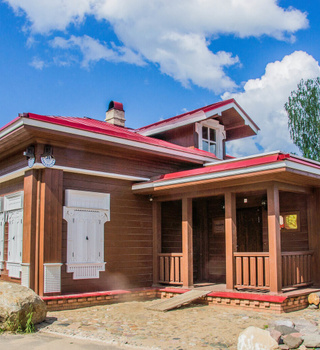
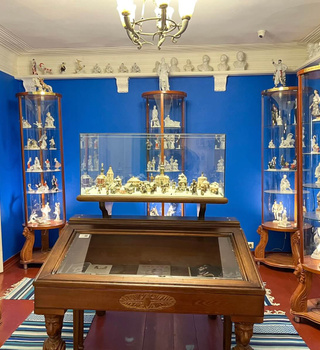
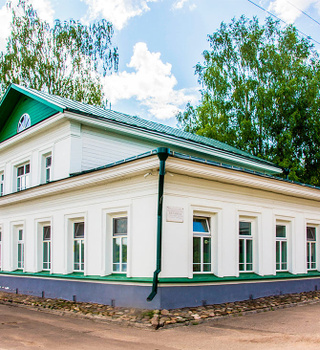
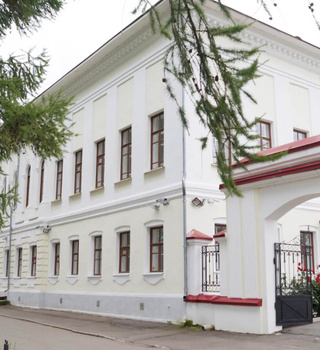
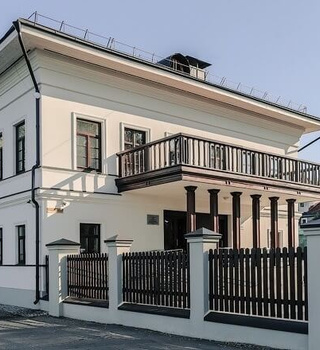
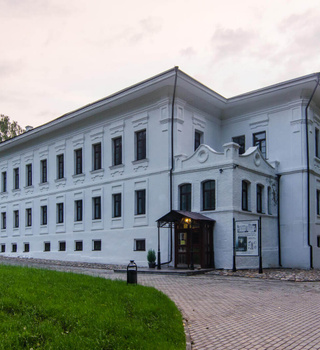
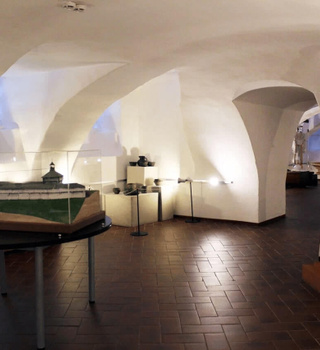
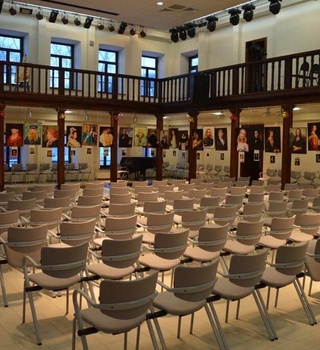
    The exhibition "Artistic Crafts of the Ivanovo Region" in Plyos is dedicated to the traditional crafts and skills that have developed over the centuries in the Ivanovo region. It is located on the banks of the Volga River, in the building of the former Flour Rows, an architectural monument of the second half of the 19th century, attracting attention with its massive vaults and stone masonry.

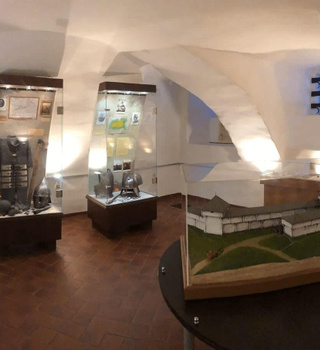
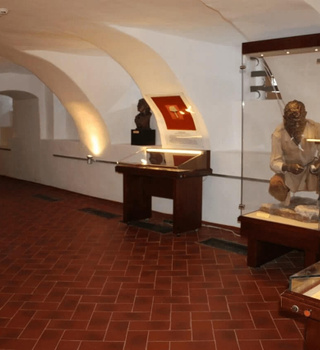
    The exhibition was opened in May 2008 and immediately became an important cultural attraction in Plyos. Its collection includes 185 exhibits, most of which were transferred from the collection of the Plyos Museum-Reserve. It reflects the rich artistic heritage of the Ivanovo region, presenting four main directions: jewelry art, linen jacquard weaving, lacquer miniatures from two centers—Palekh and Kholuy, and original Ivanovo embroidery.

  • Palekh and Kholuy Lacquer Miniatures

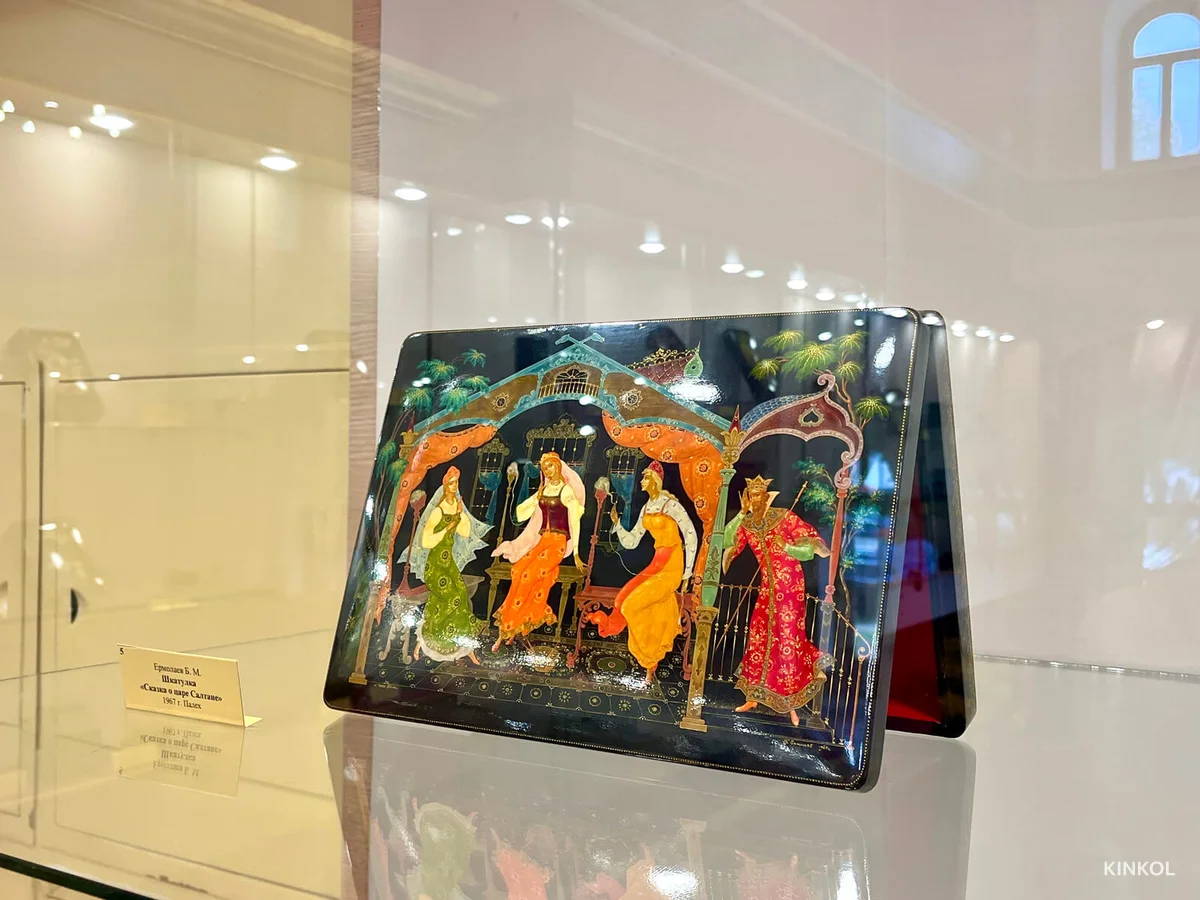
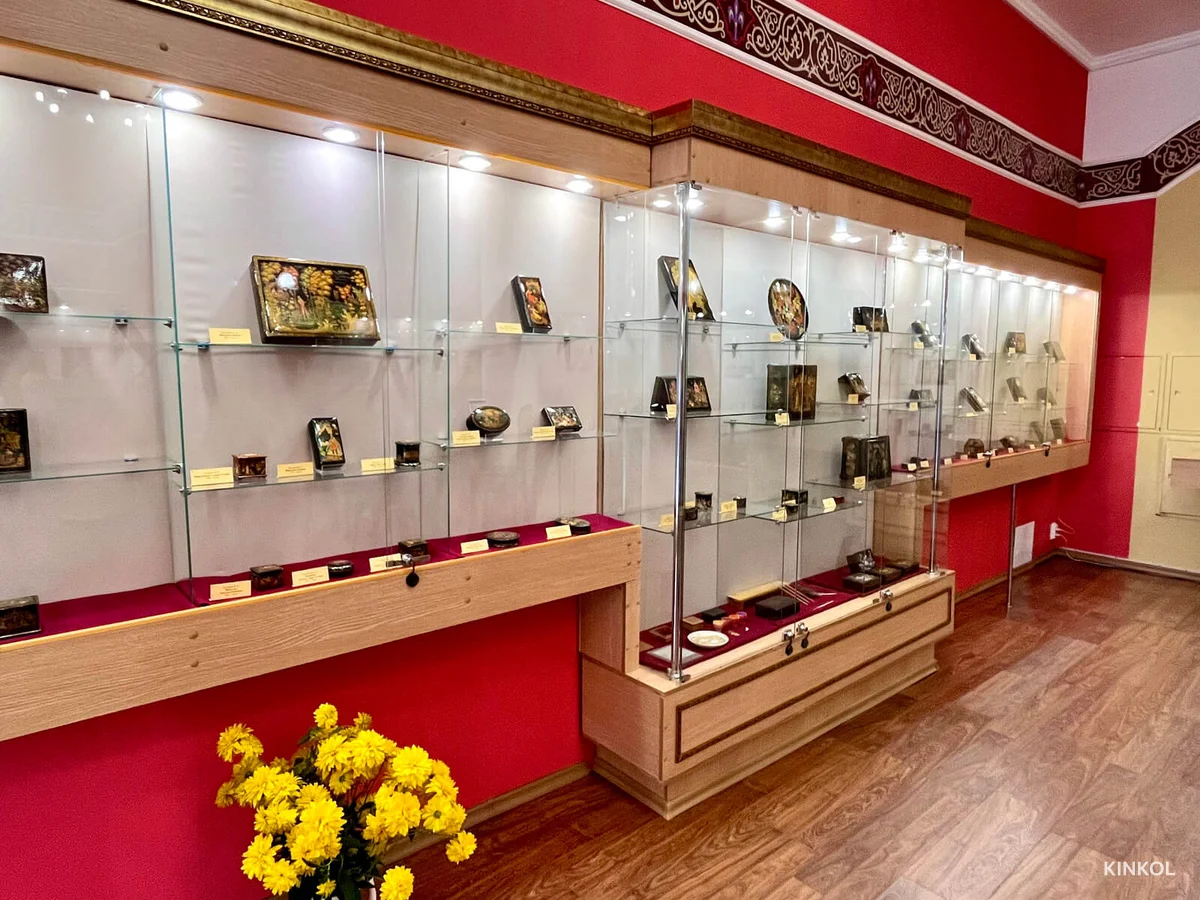
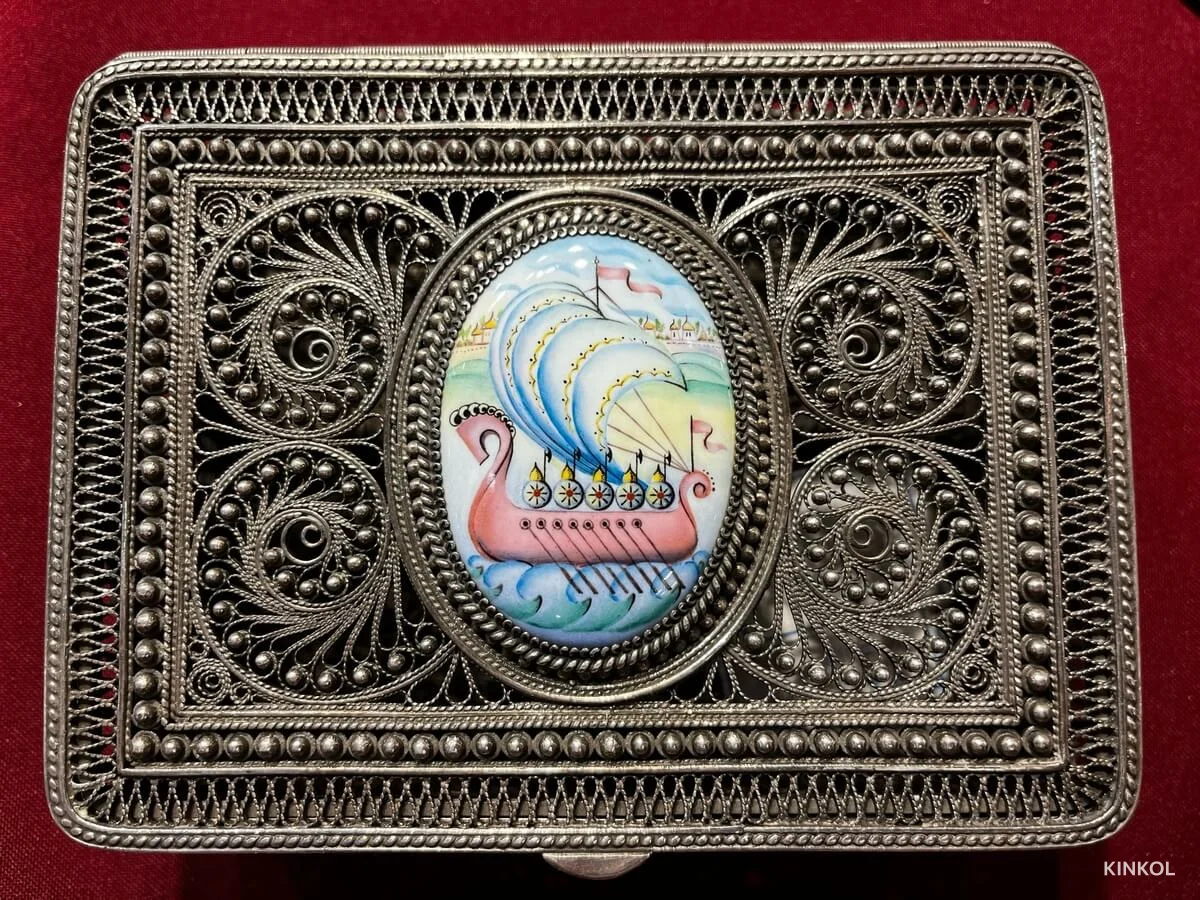
    The eastern hall of the museum is dedicated to lacquer miniatures and jewelry art, where visitors can see masterpieces created by the masters of Palekh and Kholuy. Palekh lacquer miniatures are known for their fine and exquisite images, which depict scenes from Russian folk tales and literary works on boxes, panels, and icons. Special attention is drawn to boxes and cigarette cases painted with themes from works such as "Sadko," "The Snow Maiden," "The Tale of Tsar Saltan," and "The Song of the Merchant Kalashnikov." These items captivate with their delicate painting and precise details.

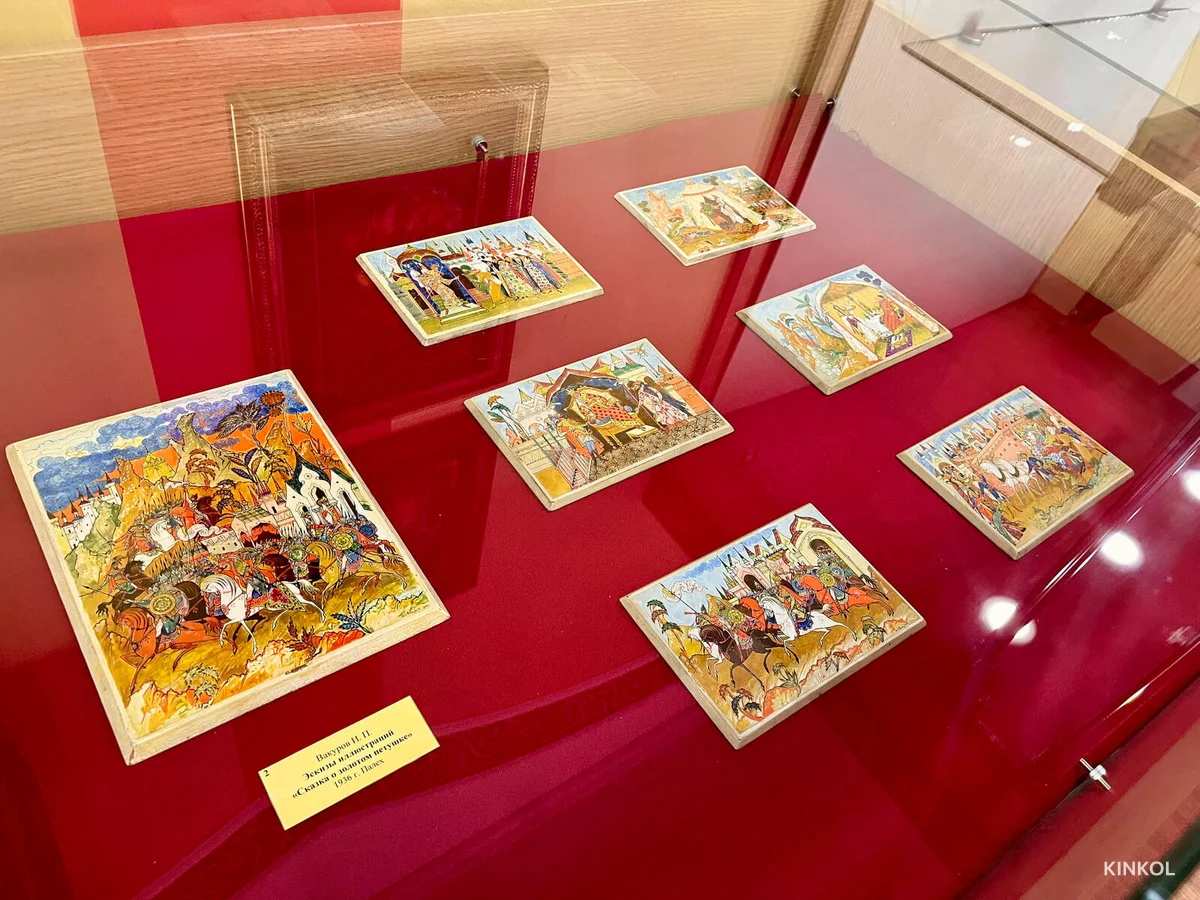
    The museum also features works created in miniature technique for famous theaters. These are illustrations for operas and ballets, such as "The Golden Cockerel" for the Saratov Opera and Ballet Theater and "The Tale of the Dead Princess" for the Leningrad Maly Opera Academic Theater. These works show how Palekh masters were inspired by theatrical art, turning scenes from performances into amazingly detailed and picturesque miniatures.

    Furniture Set Painted by a Palekh Artist

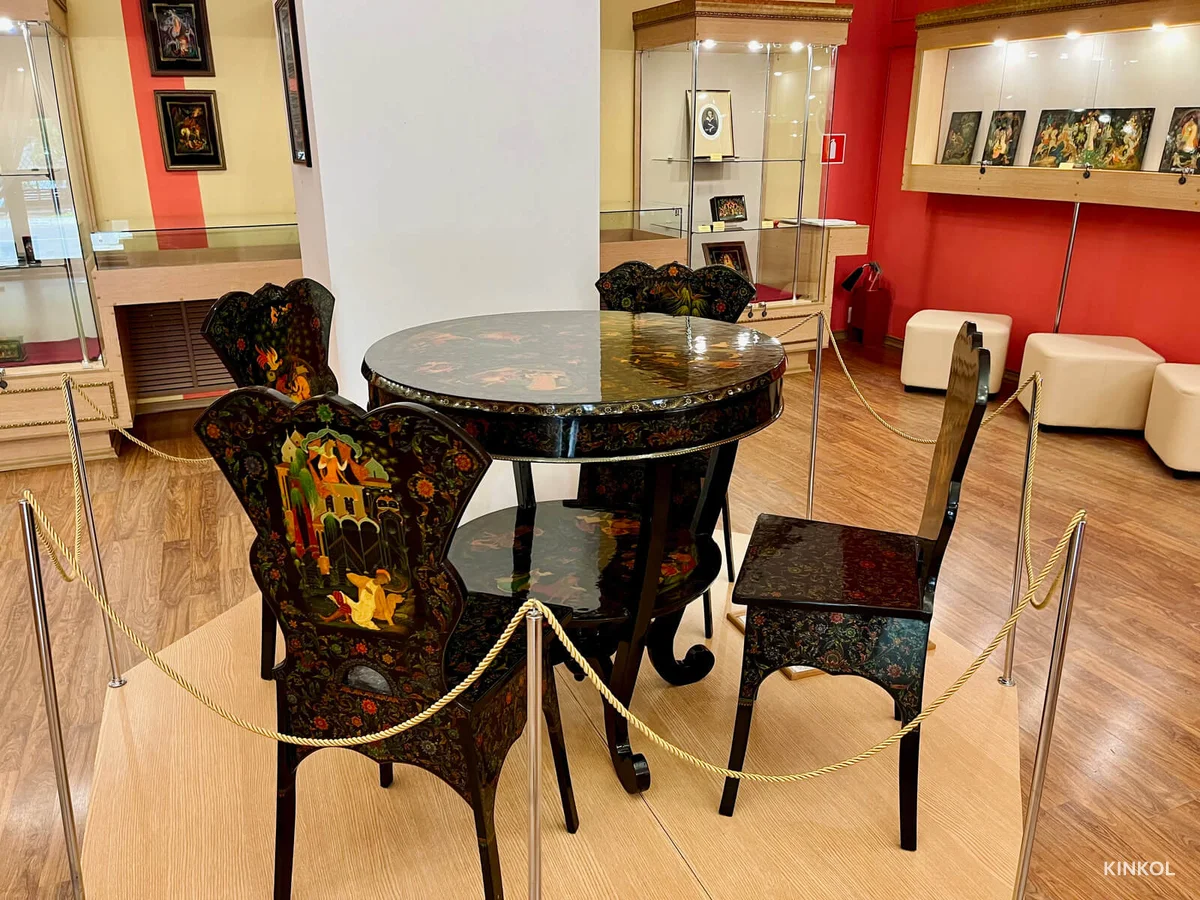
    One of the central exhibits of the hall is a furniture set consisting of a table and four chairs. This set, created based on Russian folk tales, is a masterpiece of Palekh painting. The set not only adorns the exhibition but also symbolizes the connection between decorative art and the utilitarian function of objects.

    The furniture set was created and painted by the talented Palekh artist Alexander Mikhailovich Kurkin over the course of one year (1985-1986) for the Plyos Museum-Reserve. To create his work, the artist thoroughly studied three volumes of Russian folk tales collected by A.N. Afanasyev and selected the most memorable plots from the first volume. Kurkin's main task was not just to create furniture but to turn it into a pictorial work, so he made the table higher than traditional, adding a unique low-legged tabletop. This innovative form allowed viewers to fully enjoy the details of each fairy tale plot.

    The design of the set was developed by the master's son, Boris Alexandrovich Kurkin, who is also known as a master of Palekh lacquer miniatures. For the creation of the tabletops, particle boards and plywood were used, covered with a traditional primer made of soot, clay, linseed oil, and birch veneer. The set was created with great love for folk art, and Boris Kurkin himself participated in the ornamental painting.

  • Linen Jacquard Weaving

    The western hall of the museum is dedicated to the art of linen weaving, which holds a special place in the history of the Ivanovo region.

    19th Century Jacquard Loom

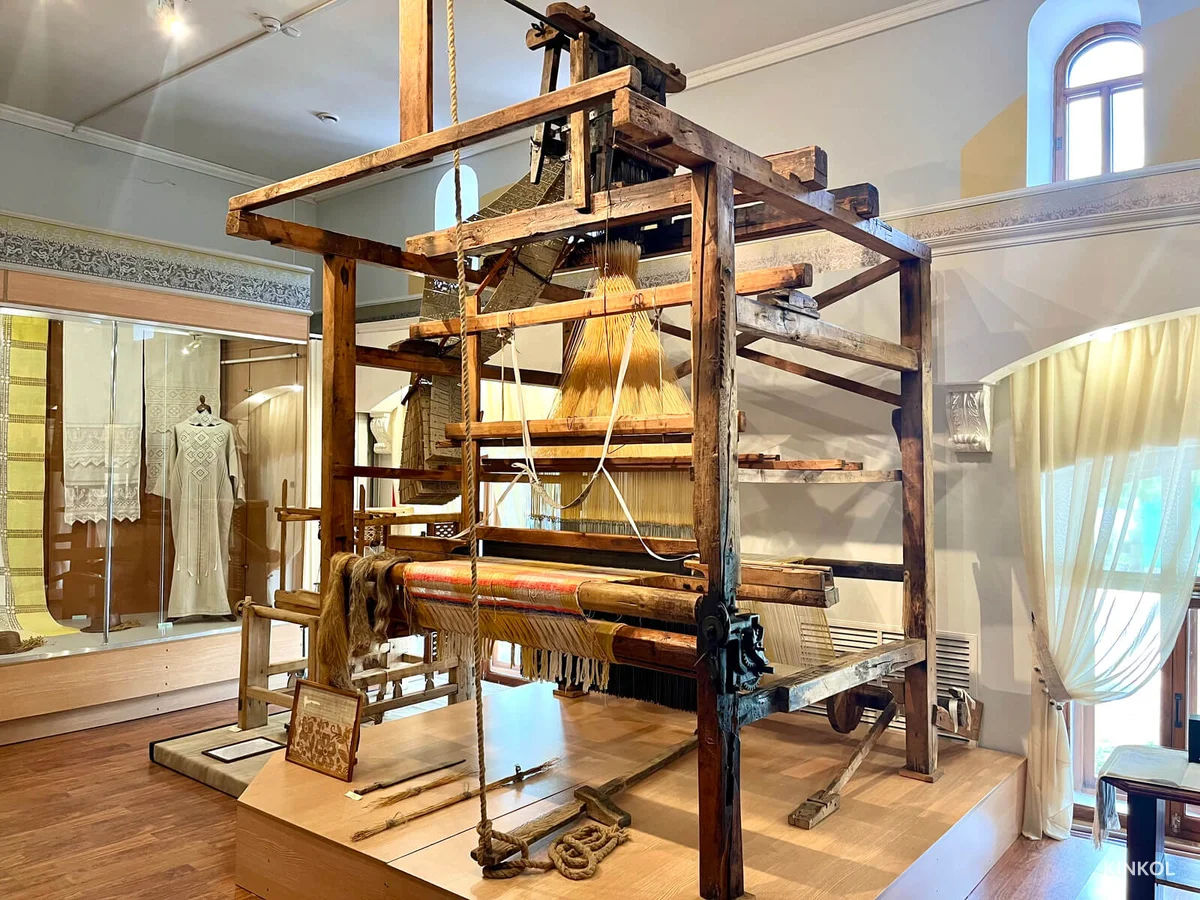
    The central exhibit of this hall is a working hand-operated Jacquard loom, invented by the French weaver Joseph Marie Jacquard (1752-1834). This machine was a true breakthrough in the textile industry. The mechanism, attached to a handloom, used perforated cards to precisely control the lifting of warp threads, allowing for the creation of complex and delicate patterns from interwoven threads. Jacquard first demonstrated his invention in 1801. At that time, his device consisted of a strip of perforated plates, which effectively became the world's first punch cards—information carriers that controlled the fabric's pattern. Over time, these plates were replaced by rectangular cardboard cards with holes, through which the design was transferred first to paper and then to fabric.

    Jacquard's invention did not go unnoticed—Napoleon I awarded him a prize of 3,000 francs and granted him a lifetime pension. Today, the original Jacquard loom is housed in the Lyon Silk Museum. In Russia, Jacquard machines began to be used only in the second half of the 19th century but quickly spread throughout the country. At the Ryapolovskaya weaving factory, 13 kilometers from Plyos, such looms were used from the late 19th century. Even after transitioning to mechanical looms in the 1960s, three hand-operated Jacquard looms continued to be used to create unique small-batch items using traditional weaving techniques.

    When the factory was closed in 1996, one of these looms was transferred to the Plyos Museum-Reserve, preserved in working condition. In this hall of the museum, you can see a curtain from the "Russian Samovars" set, woven on this loom, which took about 8 hours of work to make. The Plyos Museum-Reserve is the only Russian museum that possesses this unique exhibit—a hand-operated Jacquard loom from the second half of the 19th century.

    Yakovlev Manufactory

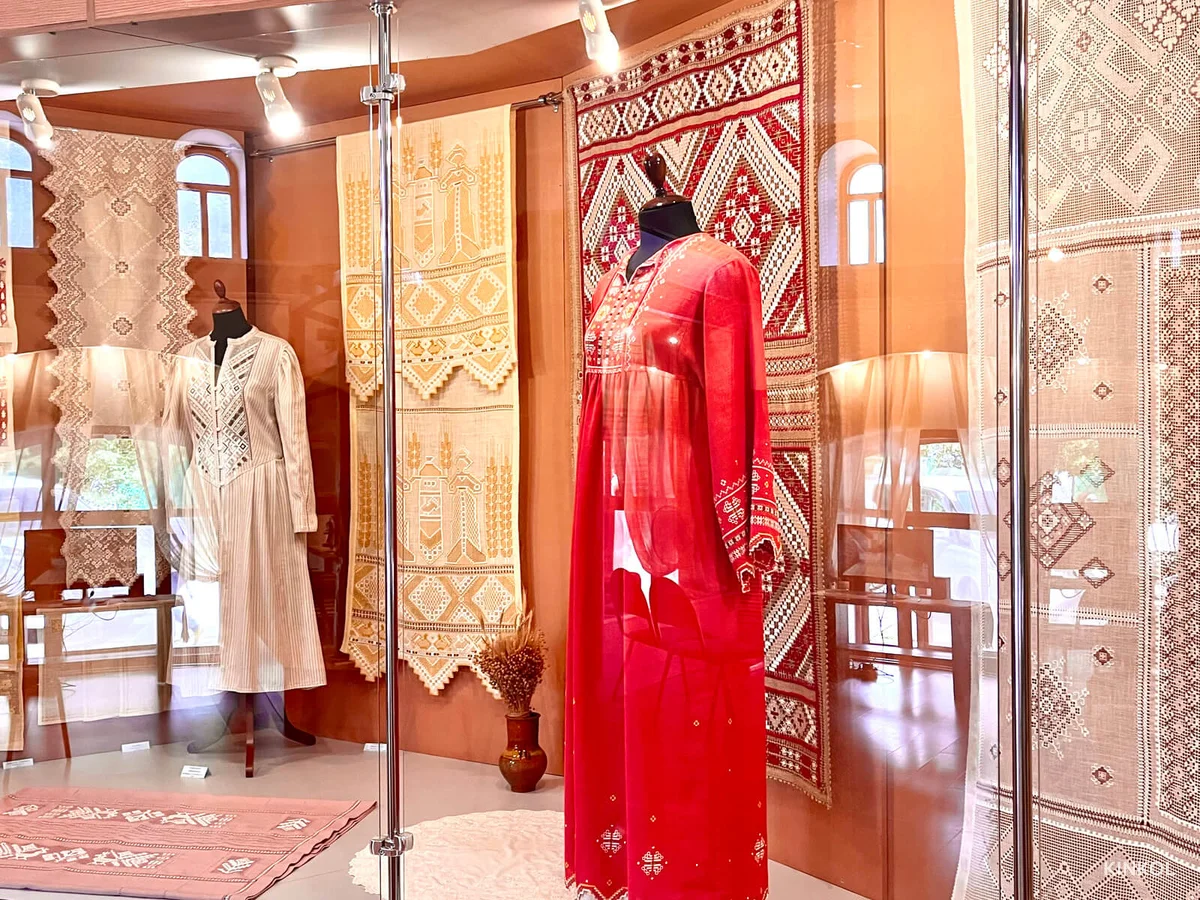
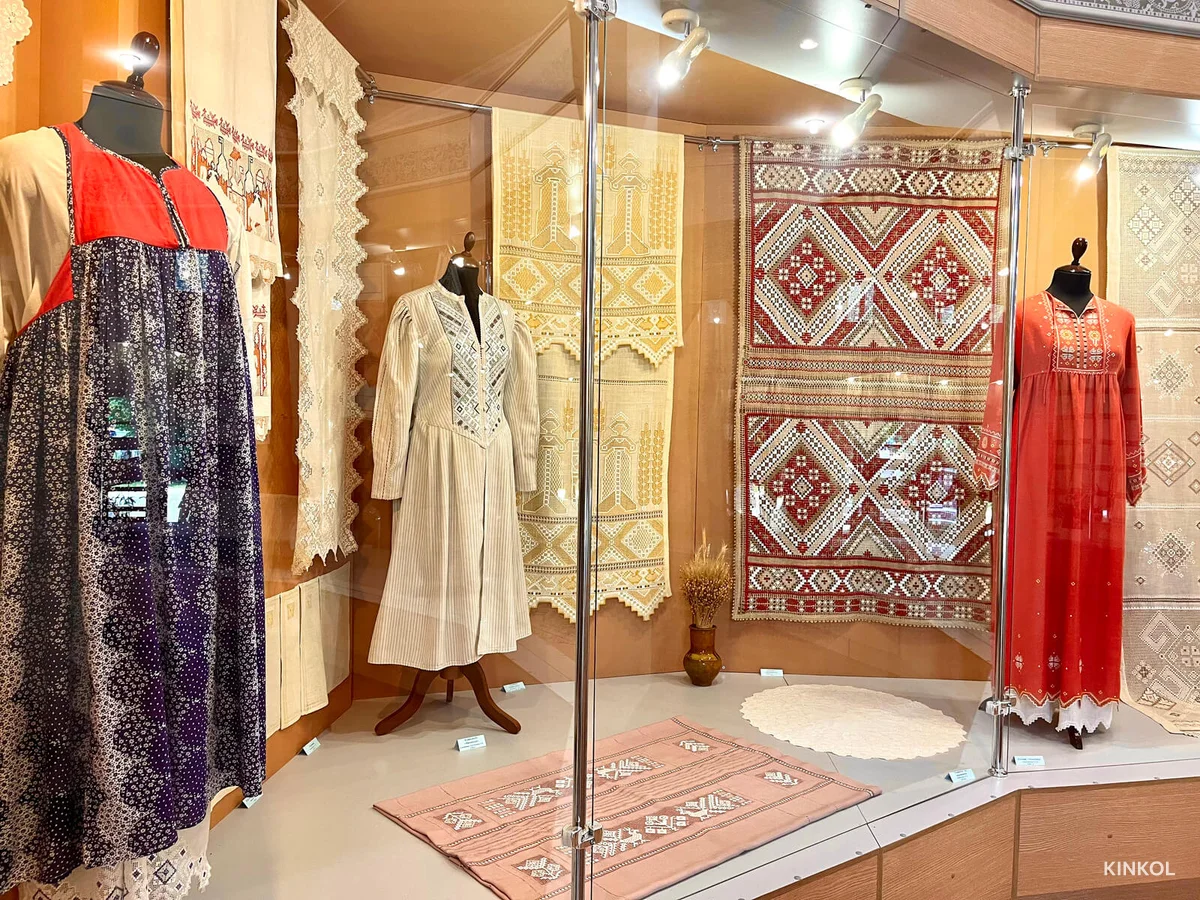
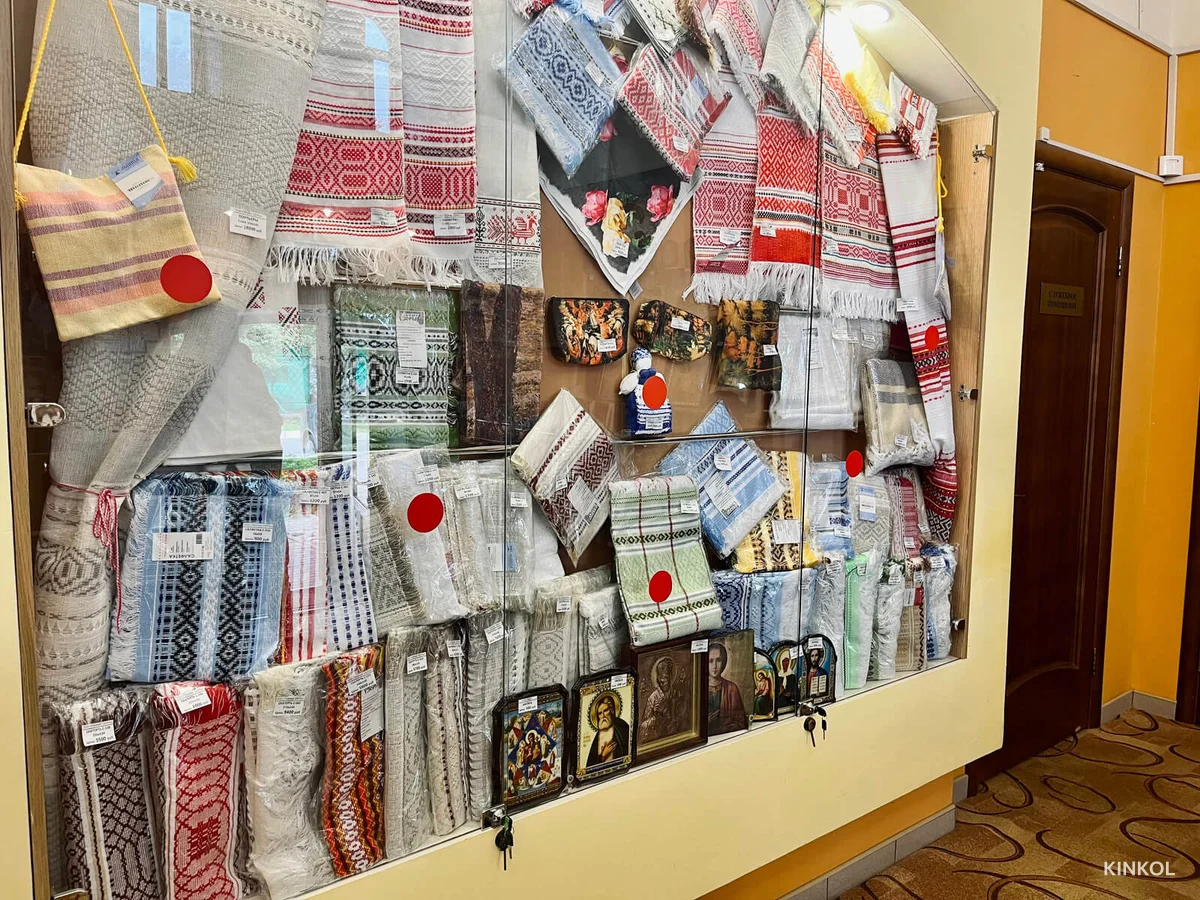
    The museum showcases also feature items from the Yakovlev Manufactory (now the city of Privolzhsk), known for its high-quality linen fabrics. Among the exhibits, you can see curtains, tablecloths, towels, and napkins made using the most complex Jacquard patterns. One of the most interesting exhibits is the "Russian Samovars" curtain, made on a Jacquard loom according to a design by museum staff. This curtain demonstrates how unique patterns were created using punch cards and the skill of craftsmen, which still amaze with their beauty and complexity.

  • Ivanovo Embroidery

    Ivanovo embroidery is a vibrant and distinctive element of decorative and applied arts, holding an important place in the cultural heritage of the Ivanovo region. Among various folk embroidery techniques, a special place is occupied by embroidery on drawn thread, known as "Ivanovo stitch." It captivates with its geometric patterns consisting of rhombuses, squares, rosettes, and stylized figures of birds, horses, and female images created from these same elements. This embroidery technique has reached a level of craft significance, becoming a symbol of the region.

    The origins of Ivanovo embroidery as an independent craft can be found in the village of Verkhny Landekh, where it originated in the mid-19th century. In Soviet times, thanks to the creation of embroidery cooperatives, the craft received a new impetus and spread throughout the Ivanovo region. Embroiderers from villages such as Vasilyevskoye, Kholuy, Landekh, and Puchezh, united in cooperatives, turned the region into one of the largest centers for the production of embroidered items. By the 1930s, Ivanovo embroidery was already being exported to Western Europe and North America, confirming its high level of craftsmanship.
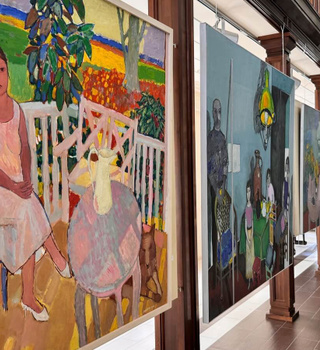
    Today, despite industrialization and mechanization, the tradition of Ivanovo embroidery continues to live in Shuya and Puchezh. Many craftswomen work independently, creating unique author collections that participate in prestigious competitions and exhibitions. These works not only demonstrate skill but also maintain a living connection with traditions, passing them on to a new generation. The works exhibited in museums confirm that Ivanovo embroidery remains an important part of folk art, capable of inspiring even today.

  • Jewelry Art

    The Ivanovo region is renowned for its traditions in jewelry making, which date back to the Middle Ages. Craftsmen here have long been creating items from precious metals and stones, using various processing and decorating techniques. The primary materials for creating jewelry and souvenirs in the region have traditionally been silver and gold, as well as semi-precious stones such as agate, garnet, topaz, and others. The jewelry created by local craftsmen is famous for its elegance, attention to detail, and high quality of execution.

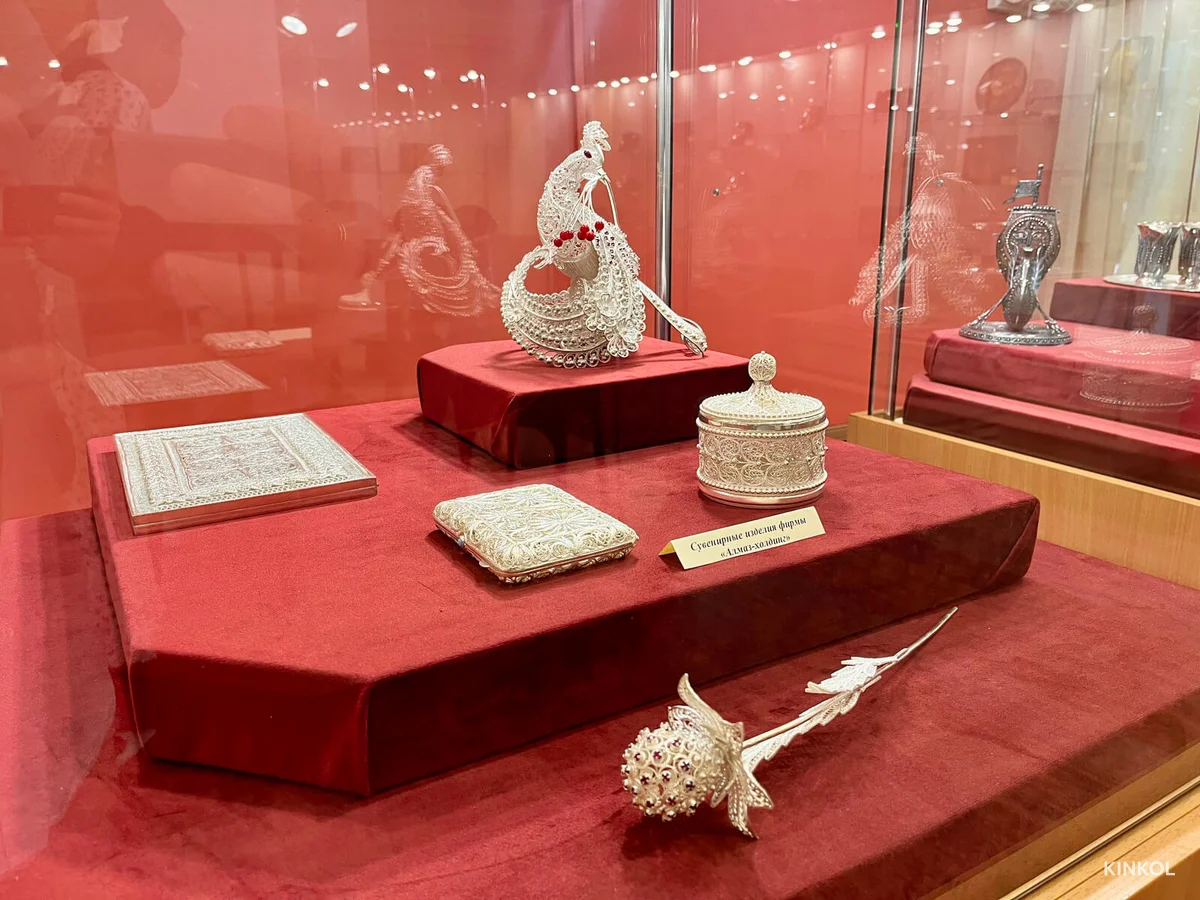
    Craft traditions, passed down from generation to generation, played a special role in the development of jewelry art in the region. It is important to note that the Ivanovo region was not only a textile center but also a jewelry hub, where unique techniques such as filigree, granulation, niello, and others were developed. These methods allowed for the creation of exquisite jewelry and decorative art objects that were in demand not only in Russia but also abroad.

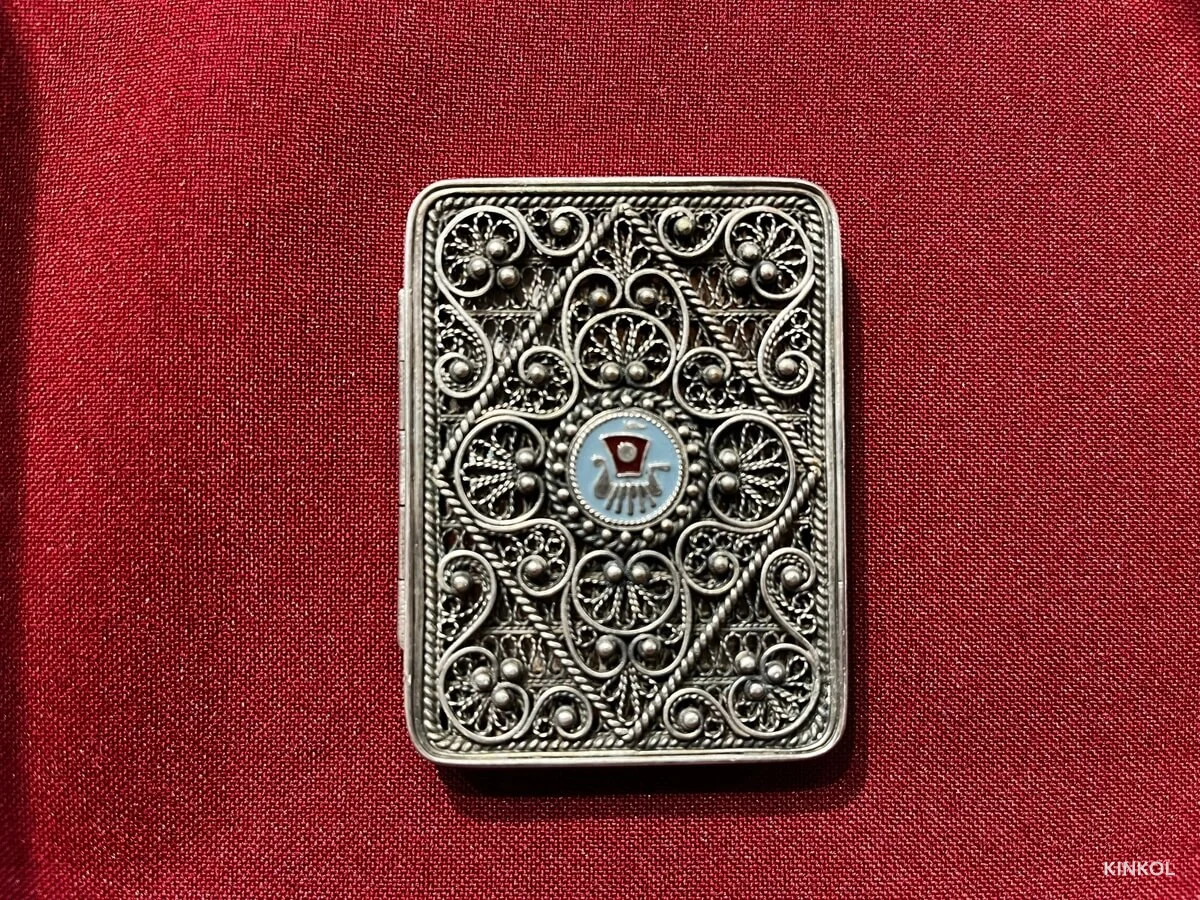
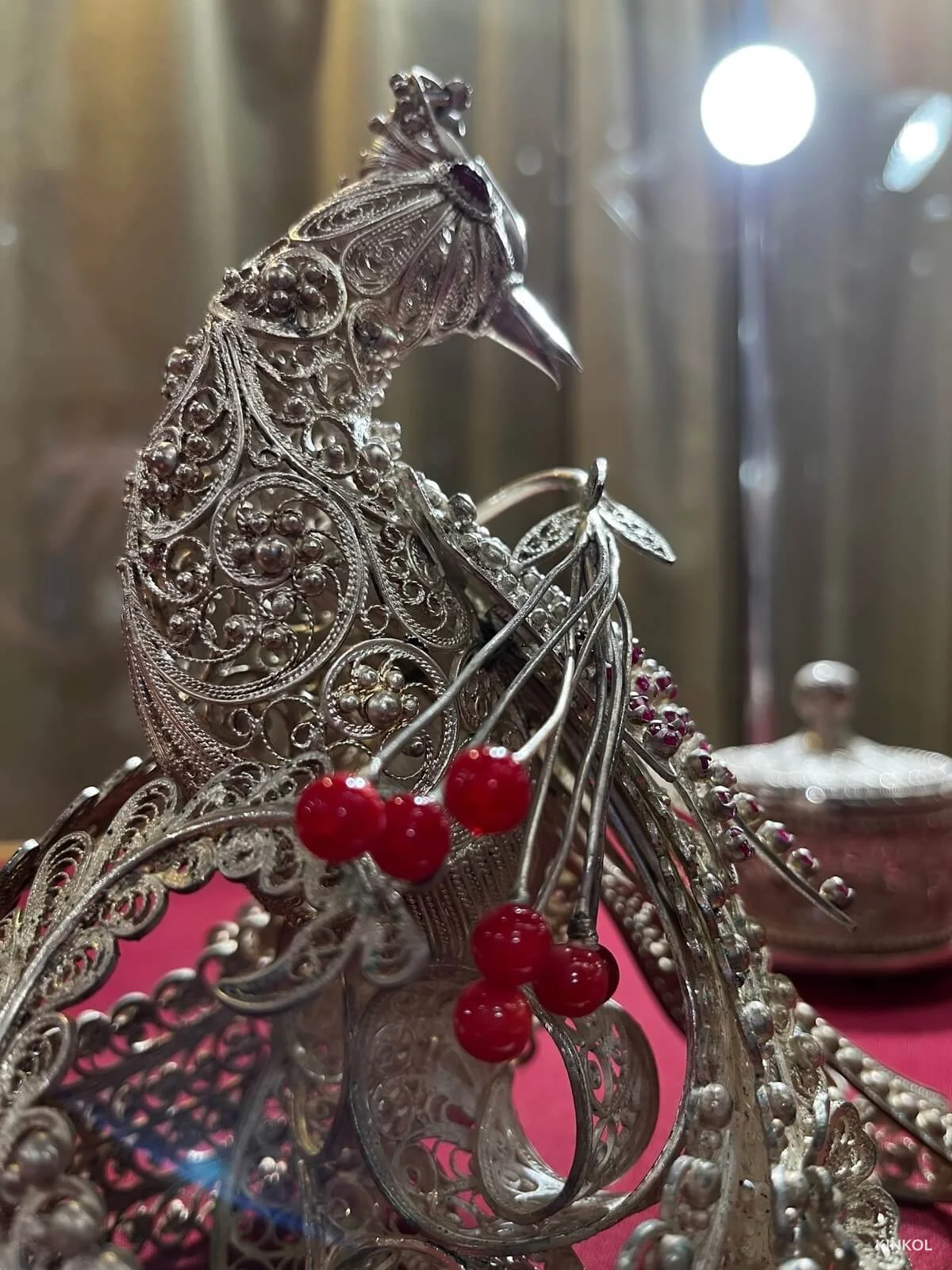
    The jewelry art exhibition in the museum is a collection that covers both historical and contemporary works. In the museum showcases, you can see various items made using traditional and modern techniques, demonstrating the high skill and creativity of Ivanovo jewelers.

    Filigree Technique

    One of the main highlights of the exhibition is the collection of items made using the filigree technique. Filigree is a jewelry technique where thin metal threads (usually silver or gold) are intertwined and twisted into delicate patterns, creating a lace-like structure. Items made using this technique are striking in their lightness and refinement. The museum presents various jewelry and souvenir items made using this technique: goblets, figurines, decorative vessels, and other objects.

  • Souvenir Shop

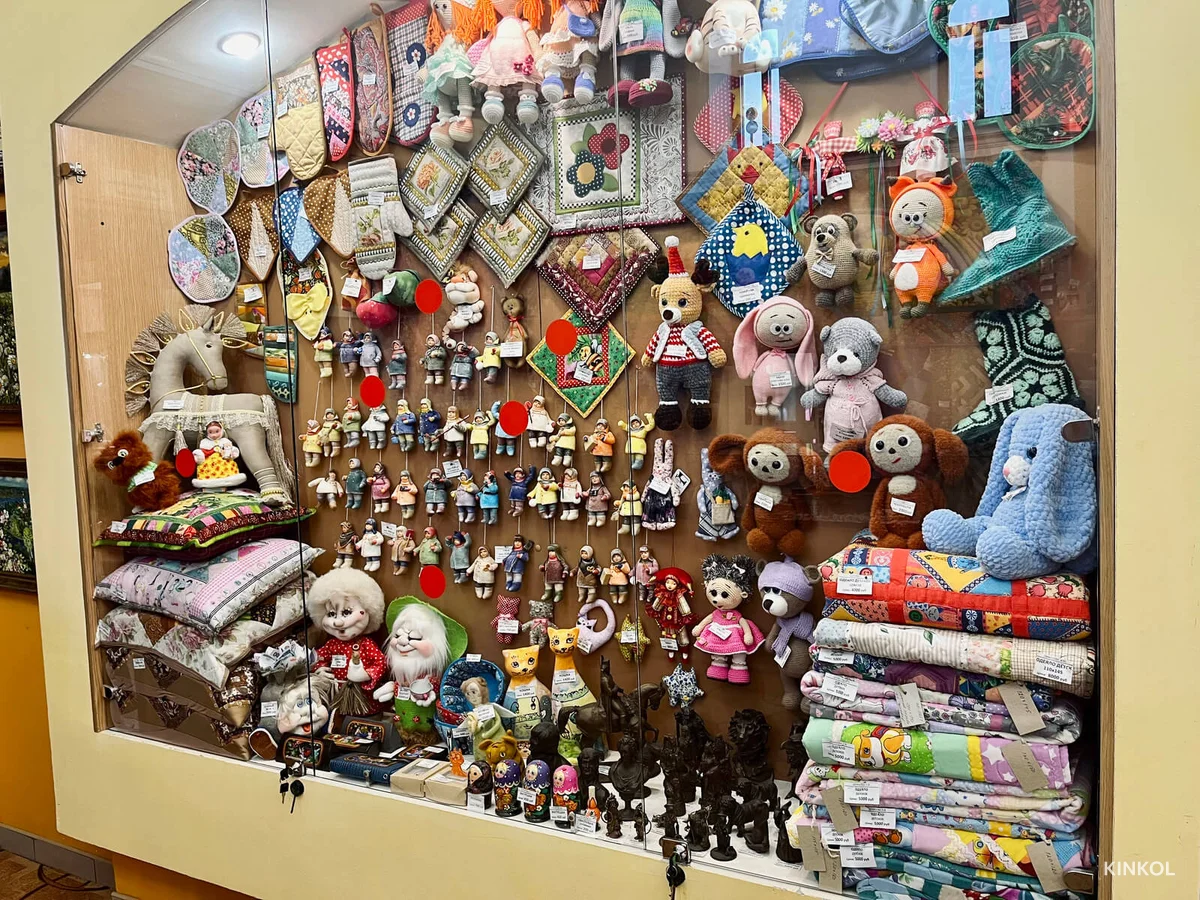
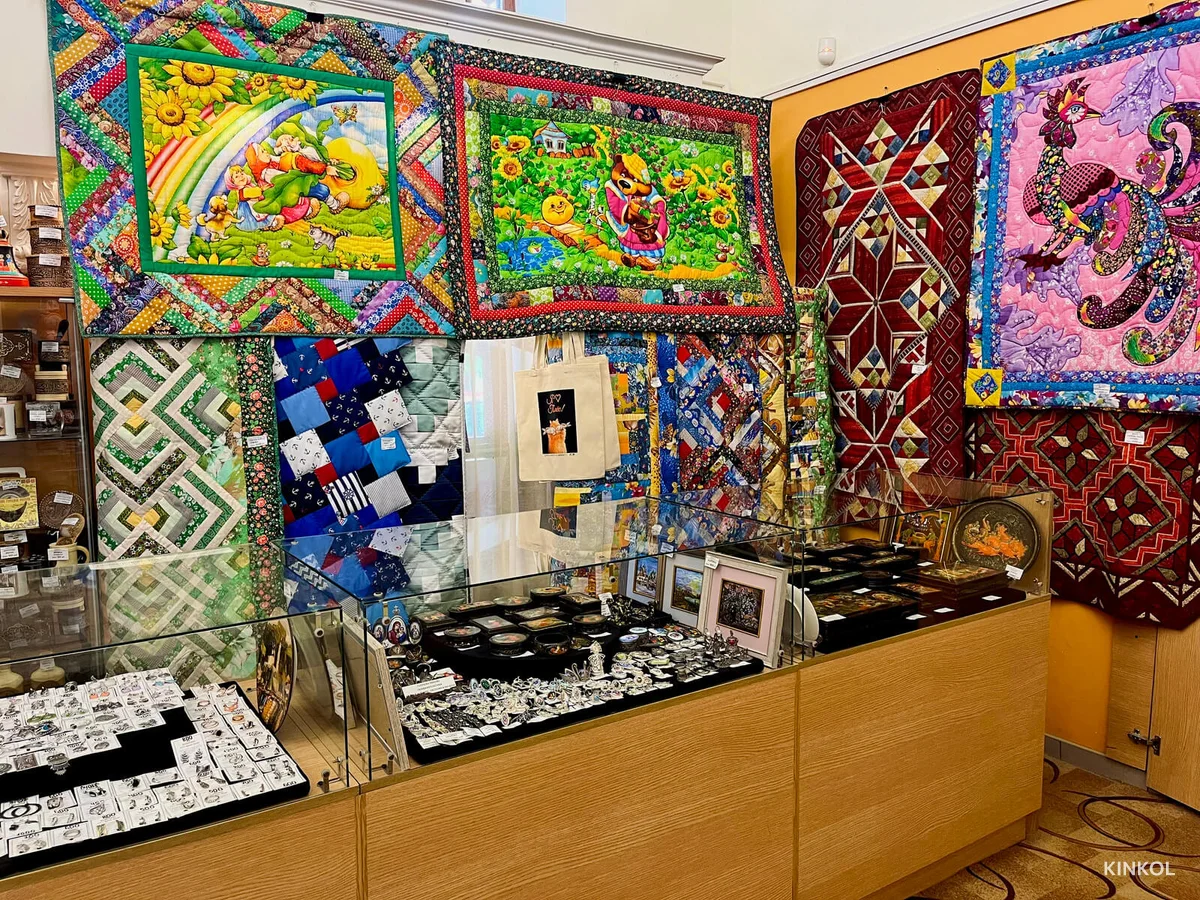
    In addition to the exhibition, the museum offers the opportunity to purchase original works by contemporary craftsmen, created in the best traditions of Ivanovo artistic crafts. In the art salon located in the museum's foyer, you can find a variety of items: boxes, painted brooches, ceramic products, embroidery, silk painting, jewelry, and, of course, linen products. These souvenirs will be a wonderful reminder of your visit to the museum and allow you to bring a piece of Ivanovo art home.

Location

Russia, Ivanovo Oblast, Plyos, Sovetskaya St., 41,
No reviews yet
Be the first to leave a review!
Write a review

Similar museums
A large selection of activities in Plyos. All leisure options include river and walking tours, visits to art exhibitions and museums, restaurants and cafes, baths and spas, guided tours or quad biking, and many more options for organizing a full-fledged vacation!
Plyos is not only about picturesque views but also a culinary journey. In the town, you can find cozy restaurants with views of the Volga, family cafes, and quick bites in street food format. Special attention should be paid to the local cuisine: dishes made from fresh fish, homemade desserts, and traditional Russian recipes. We have gathered the best establishments and popular dishes for you to discover Plyos from a gastronomic perspective.
Plyos is a small town on the banks of the Volga that surprises with its wealth of attractions. Here you can visit art museums, Orthodox churches, climb picturesque heights, and enjoy views of the river. The town's charm is enhanced by merchant houses that have preserved the traditional Russian architectural style.
In the small town of Plyos, there is a wide selection of accommodation options to suit any taste. Guests of the town have access to comfortable rooms in modern hotels and cozy guesthouses, as well as the opportunity to rent a separate house or apartment for a more secluded stay.
Plan your vacation and choose activities that will make your trip to Plyos bright and memorable. The schedule of current cultural and entertainment events will help you find interesting options for any mood—from a calm evening to an active day.
Guides in Plyos will help you discover the city from a new perspective. They will lead you through picturesque streets and the embankment, tell you about the merchant history, Levitan, and famous summer residents, and show you hidden corners and the best views. Individual and group tours will make your journey rich and memorable.
Главное меню