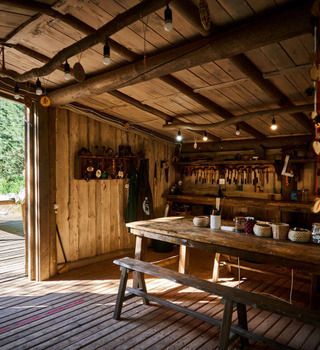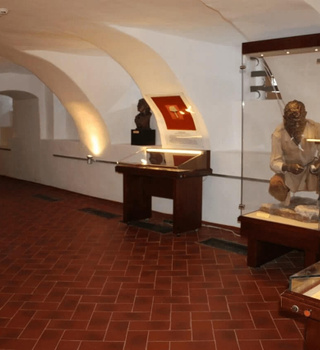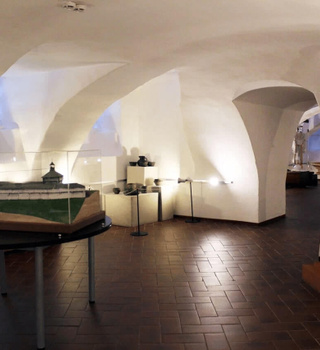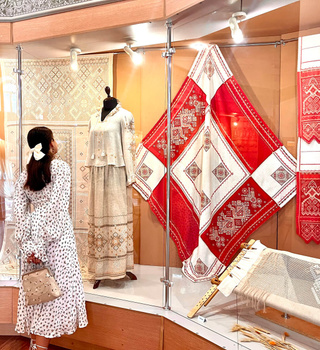
The Museum of Primitive Hunters and Fishermen is the only museum in Russia that represents the life and lifestyle of ancient people during the Neolithic era (5th-3rd millennium BC). The museum recreates a seasonal hunting camp where visitors can immerse themselves in the atmosphere of primitive society, studying their survival methods and interaction with nature.
Museum Exhibition
The museum's exhibition covers various aspects of the life of primitive hunters and fishermen.
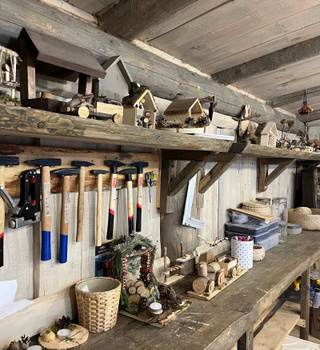
Tools and Weapons include a variety of stone knives used for processing prey and making other tools, hunting methods with bows and arrows for wild animals, as well as primitive fishing tools like nets and harpoons designed for catching fish in rivers and lakes.
Hunting and Fishing Techniques demonstrate ancient methods of hunting and fishing that ensured the sustenance and survival of primitive societies.
The Role of Hunting and Fishing in Survival shows the significance of these activities for nutrition and the creation of essential items in primitive societies.
Art and Religion reveal ancient drawings and rituals related to hunting and fishing, and their integration into the culture and beliefs of primitive peoples.
Closeness to Nature helps understand the connection of primitive hunters and fishermen with nature and their deep dependence on the environment for survival.
Interesting Exhibits
Among the interesting exhibits of the museum:
- Reconstructions of stone and bone tools used for hunting and fishing.
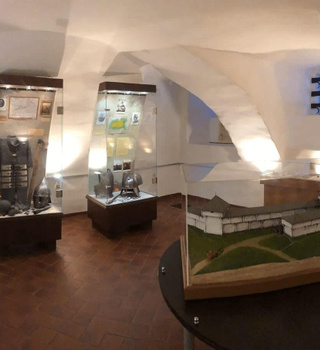
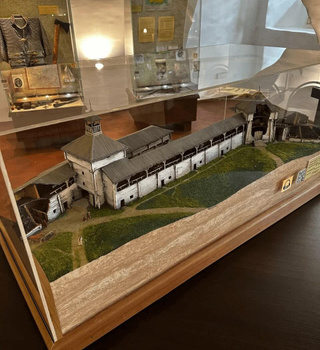
- Models of primitive dwellings and camps showing the lifestyle and daily life of ancient people.
- Collections of artifacts found at excavation sites, including jewelry, pottery, and ritual items.