Where shall we go?
For now, we only work in Plyos
Adults from 18 years old

Shokhonka River in Plyos

A tip before your trip to Plyos

Subscribe to the «Plyos Walks» channel on social media — we share useful posts to help you prepare for your trip to Plyos!

Beautiful photos and videos, event announcements, interesting places, discounts and promotions, unique routes, and tips from locals!

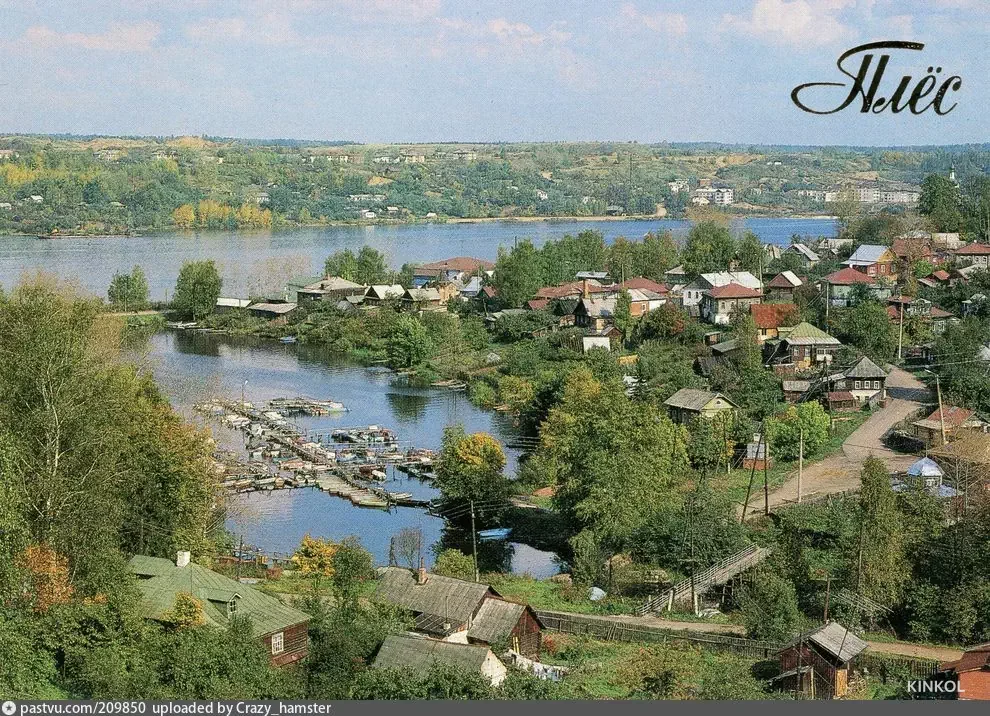
The Shokhonka River is one of the most picturesque and significant natural features of Plyos. This small but water-rich river, only a few kilometers long, originates half a kilometer south of the village of Kasimovka and, crossing Plyos, flows into the Volga, forming a picturesque mouth 150 meters wide. Despite its modest size, the Shokhonka has played an important role in the city's history and in shaping its unique landscape.

The History of the River

The name of the Shokhonka River is believed to date back to the times when Finno-Ugric peoples lived in this area. They may have called it "Shokhna," and then the Slavs, who settled these lands, transformed the name into the more melodious and affectionate "Shokhonka." Historically, the river played a key role in the life of the first settlements on its banks, which later became the foundation for the city of Plyos.

In the Middle Ages, the Fish Settlement was located in the Shokhonka Valley, later renamed Zarechye. This settlement was an important economic center, whose inhabitants were engaged in fishing and supplied fish to the royal table. Zarechye is separated from the main part of the city by the Shokhonka itself, emphasizing its role as a natural boundary dividing the city into two parts.

Natural Features and Landscapes

The Shokhonka Valley is not just a picturesque place but also an important natural object with a unique combination of geological and biological elements. The hills surrounding the valley, such as Cathedral Hill and Levitan Hill, are composed of bedrock covered with loose Quaternary deposits. These hills form a complex relief that enhances the impression of the Plyos landscapes. The Shokhonka cuts into the local plateau, forming deep ravines that give the area a mountainous character.

In the river valley, there are numerous springs that feed the Shokhonka and create unique sound and visual effects. The sound of flowing water, the singing of birds, and the rustling of trees create an atmosphere of calm and harmony, which is especially appreciated by both residents and numerous guests of the city.

Artistic Inspiration

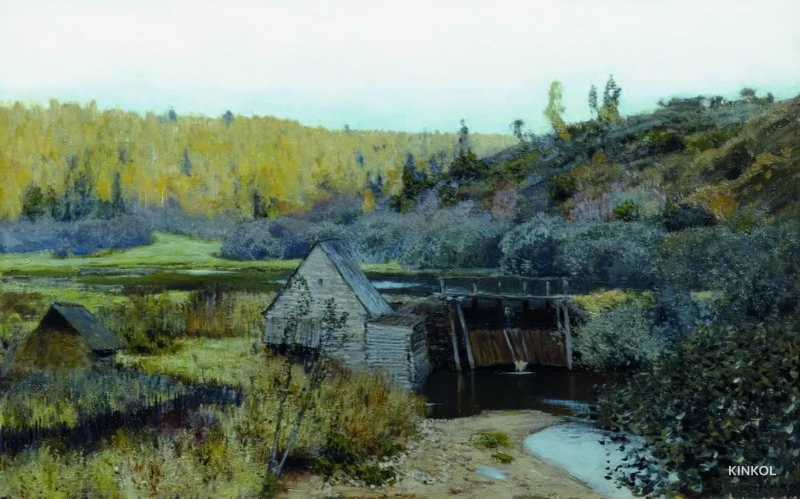
The Shokhonka became a true source of inspiration for many artists, but the most famous among them was, of course, Isaac Levitan. Spending several seasons (1888–1890) on the banks of this river, Levitan managed to capture its beauty and unique light effect in his works. He often depicted the river and its surrounding landscapes in his paintings, such as the famous painting "Autumn. Mill. Plyos" (1888), where the mill on the river becomes the central element of the composition.

The unique light play of the Shokhonka Valley, changing throughout the day, allowed Levitan and other artists to better understand and capture the beauty of Russian nature. Levitan not only depicted the physical beauty of these places but also sought to convey the atmosphere of tranquility and peace that the Shokhonka Valley exuded. This place became not just a subject for his work but also a source of spiritual inspiration, which was reflected in his art.

The Role of the River in the City's Life

The Shokhonka River and its valley not only beautified Plyos but also played an important role in its development. The river valley has been recognized as a natural monument and is protected by law. Here are located historical buildings such as the Chastukhin Cloth Factory and the N.K. Ogurechnikov Estate, as well as a complex of springs and the "Keys" forest massif, which has significant sanitary and health value.

Moreover, unique paleontological finds have been discovered on the Shokhonka. In one of the ravines flowing into the river, scientists found fossils of fish and amphibians dating back to the early Triassic period. These finds are of great importance for studying the ancient flora and fauna of the region.


Главное меню